Ukraine has encountered its most severe budget crisis since the start of the full-scale war as the government faces a $27 billion defense spending deficit. Prime Minister Serhiy Koretsky announced from the Verkhovna Rada rostrum that the Cabinet of Ministers is implementing a strict austerity regime to prioritize military requirements. Finance Minister Serhiy Marchenko noted that the state has not experienced such a difficult budgetary situation since Russia invaded.
The shortfall emerged after the Ministry of Defense exhausted funds earlier in the year that were originally allocated for the final months. President Volodymyr Zelensky appealed to international partners for urgent assistance, explaining that $8 billion to $10 billion is needed immediately to supply soldiers with weapons during the first quarter of next year, while $20 billion is required for urgent expenses over the remainder of this year. European partners did not anticipate a deficit of this scale and have questioned whether funds are being managed efficiently.
To manage the deficit, Koretsky stated that the government is prioritizing spending on defense, pensions, social assistance, and salaries for teachers and healthcare workers. Non-essential capital projects, including new construction, building renovations, and public space developments such as parks and fountains, have been postponed. Roksolana Pidlasa, head of the Verkhovna Rada Budget Committee, reported that the Ministry of Finance also deferred autumn expenditures for winter energy preparations, hospital shelters, and social housing into December.
Mounting Spending and Overdue Reforms
The financial squeeze follows a recurring pattern of end-of-year budget strains in Kyiv. At the end of 2025, public concern mounted over a critical funding shortage before the approval of a 90 billion euro EU loan, which was expected to stabilize 2026 finances. However, the current deficit is substantially larger due to a combination of mounting war costs, falling tax receipts from Russian infrastructure attacks, and missed reform deadlines required by foreign lenders.
Ukraine risks forfeiting $29.5 billion in planned international assistance because parliament has fallen behind on policy commitments. Koretsky acknowledged that 42 government decisions and more than 40 laws remain overdue. The prime minister pledged to submit the necessary legislation by October 15 to unlock paused disbursements.
Data from the Center for Economic Strategy shows that state budget expenditures grew by 660 billion hryvnias in the first eight months of the year compared to the same period in 2025, with 82 percent of that increase driven by military spending. Domestic defense spending rose by 43 percent, whereas international weapons and ammunition aid grew by only 9 percent. CES economist Oleksandra Mironenko attributed the rising expenses to army expansion, increased personnel pay, and the growing technological cost of fighting. Concurrently, Russian strikes reduced tax revenue by over 31 billion hryvnias in eight months, including a 25.3 billion hryvnia loss in value added tax during July and August.
Shifting International Support and Domestic Revenue
Direct physical weapons aid to Ukraine has dropped significantly over the past year. Mironenko noted that in-kind military transfers from partners fell by 41 percent over the last 12 months, dropping from 25 billion euros to 14.7 billion euros, and halved during the first six months of the year compared to the same period in 2025. She suggested that the creation of the military component under the Ukraine Support Loan program reduced incentives for donor countries to provide separate weapons shipments.
To cover the total $56.5 billion needed by year end, Ukraine must secure $29.5 billion from existing partner programs while addressing the unexpected $27 billion military shortfall. Koretsky explained that the government plans to cover $7 billion through internal reallocation and spending cuts, leaving $20 billion dependent on partner negotiations. He emphasized that these funds are essential for paying for weapons production and maintaining long-range strike capabilities into early 2027.
Financial analyst Andriy Shevchyshyn told UNIAN that while official data remains limited, non-military social spending appears manageable for two months. State accounts at the National Bank of Ukraine hold approximately 377.9 billion hryvnias, with expected incoming transfers of $481 million from Canada and 3 billion euros from the EU Ukraine Facility. However, Shevchyshyn warned that domestic military financing remains highly vulnerable because Russian attacks on ports and businesses have severely curtailed state revenue generation.
Anti-Corruption Demands and Tax Disputes
The budget crisis has coincided with heightened public and donor scrutiny over domestic corruption. Recent anti-corruption investigations, including high-profile cases code-named Midas, Forrest Gump, and Carthage, have targeted alleged embezzlement in defense procurement and energy protection. A September poll by the Kyiv International Institute of Sociology revealed that 50 percent of Ukrainians consider government corruption a primary concern, surpassing Russian missile attacks, while 72 percent believe corruption has increased during the war.
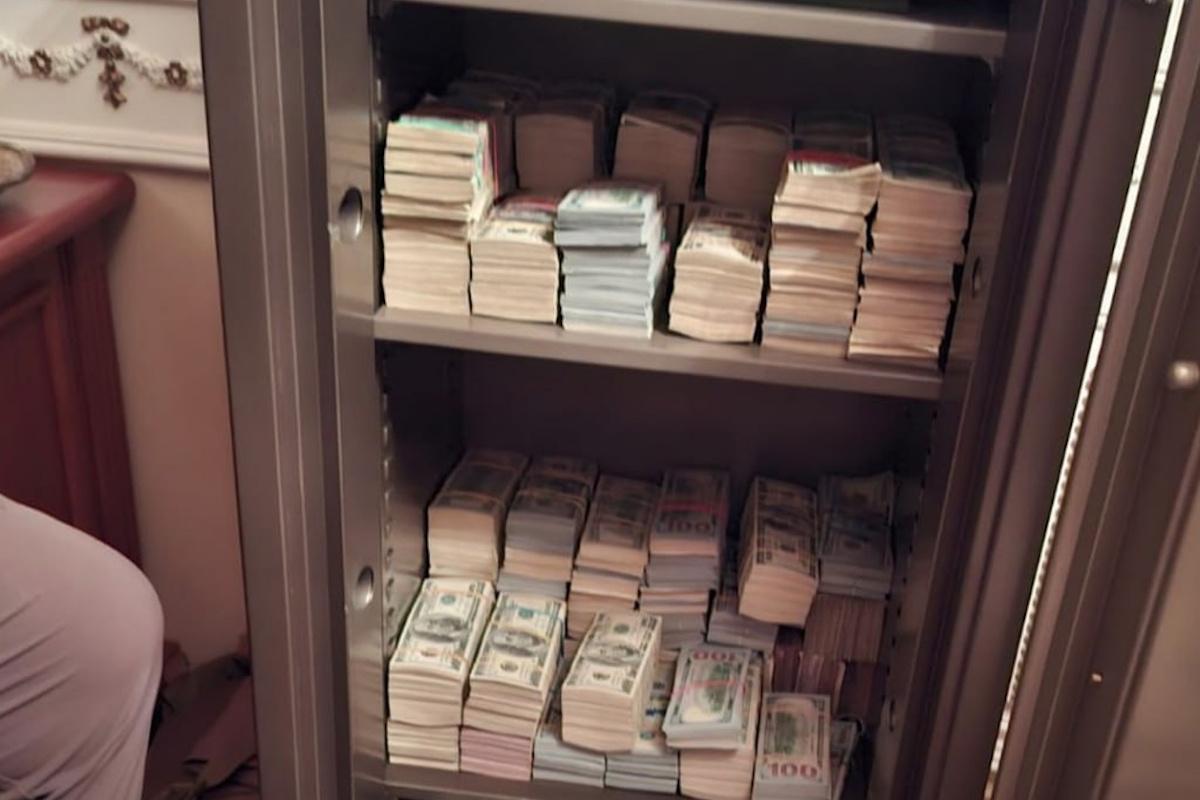
International lenders have tied future financial assistance directly to institutional governance reforms. Oleh Hetman, an associate expert at CASE Ukraine and coordinator at the Economic Expert Platform, told UNIAN that domestic tax collections of $40 billion to $50 billion annually cover military costs, while international donors provide an equivalent amount to fund public services. Hetman noted that parliament delayed crucial reform bills for six months, though voting on an initial package of laws in early September unlocked 4 billion euros from the EU.
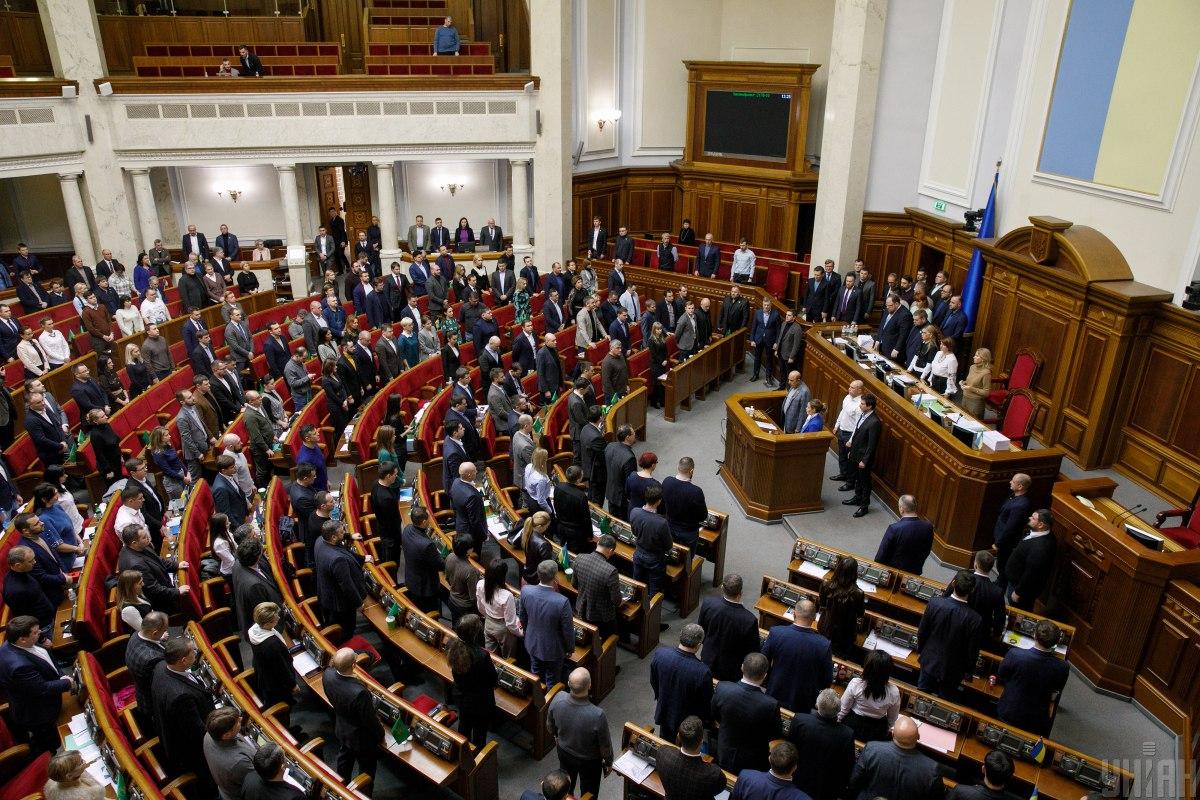
A major obstacle to securing further funding is a requirement from the International Monetary Fund to eliminate tax exemptions on international mail packages valued under 150 euros. MP Olha Vasylevska-Smahliuk reported that the IMF refused to alter this condition after its September mission concluded without a staff-level agreement. Parliament passed the 20 percent tax bill on first reading on September 16, but final passage remains uncertain as lawmakers paused plenary sessions until October 13.
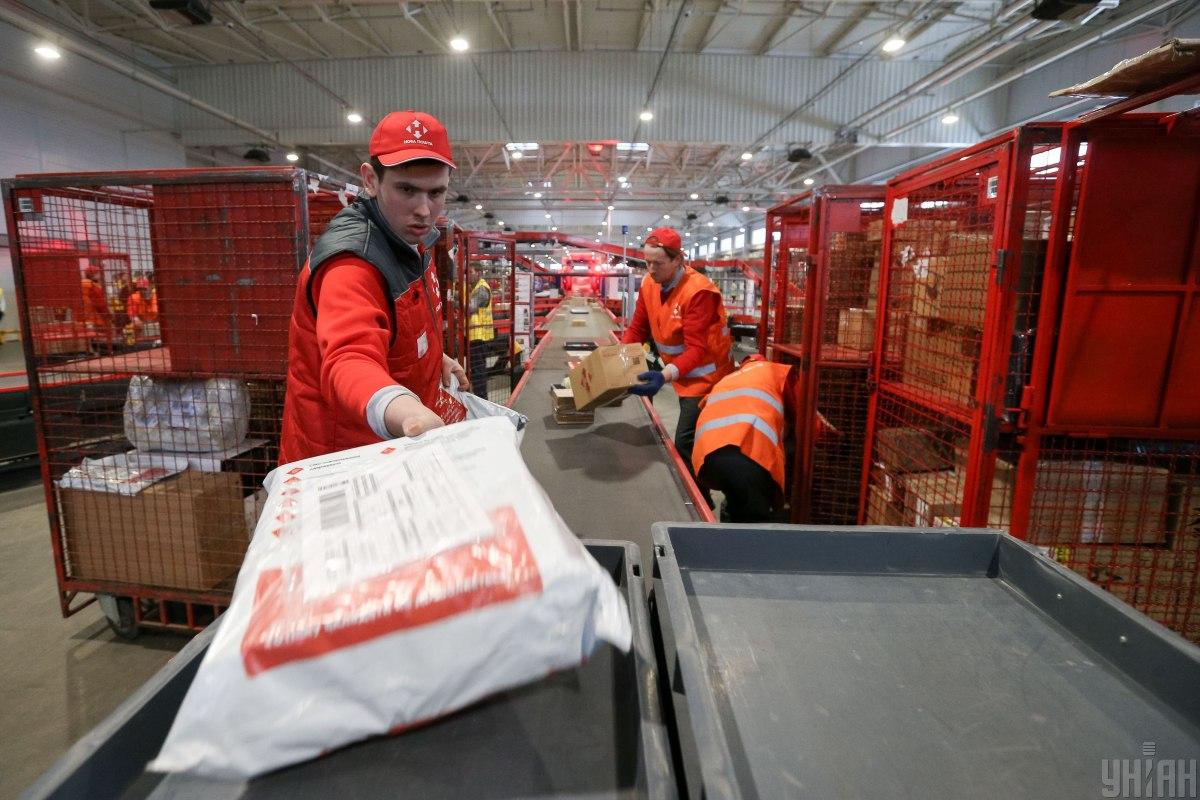
Finance Minister Marchenko urged parliament to pass the tax measure, warning that failure to do so risked losing 4 billion euros in September aid. Koretsky defended the law, stating that 80 percent of small international shipments represent split commercial batches used to evade taxes, placing Ukrainian manufacturers operating under generator power at a disadvantage. Conversely, economist Oleksiy Kushch argued that the expected 10 billion to 27 billion hryvnia revenue yield is negligible compared to budget needs and risks overwhelming customs infrastructure.
Long-Term Funding and Frozen Russian Assets
Looking ahead to 2027, economists warn that Ukraine will require another $40 billion to $50 billion in foreign assistance to maintain state functions. Hetman noted that obtaining these funds will require parliament to pass an additional package of approximately 40 reform laws. Failure to secure international backing could force the central bank to print currency, accelerating inflation and triggering broader social cuts.
Efforts to secure funding through confiscated Russian assets remain stalled in Europe. While the EU uses interest generated from 200 billion euros in frozen Russian Central Bank assets, full confiscation faces opposition. Belgian Prime Minister Bart De Wever warned that seizing the assets hosted in Belgium would constitute an act of war, despite calls from Sweden, the Netherlands, Spain, and Poland to release the funds. Consequently, Ukrainian officials acknowledge that frozen assets will not provide an immediate solution to the country's growing budget deficit.