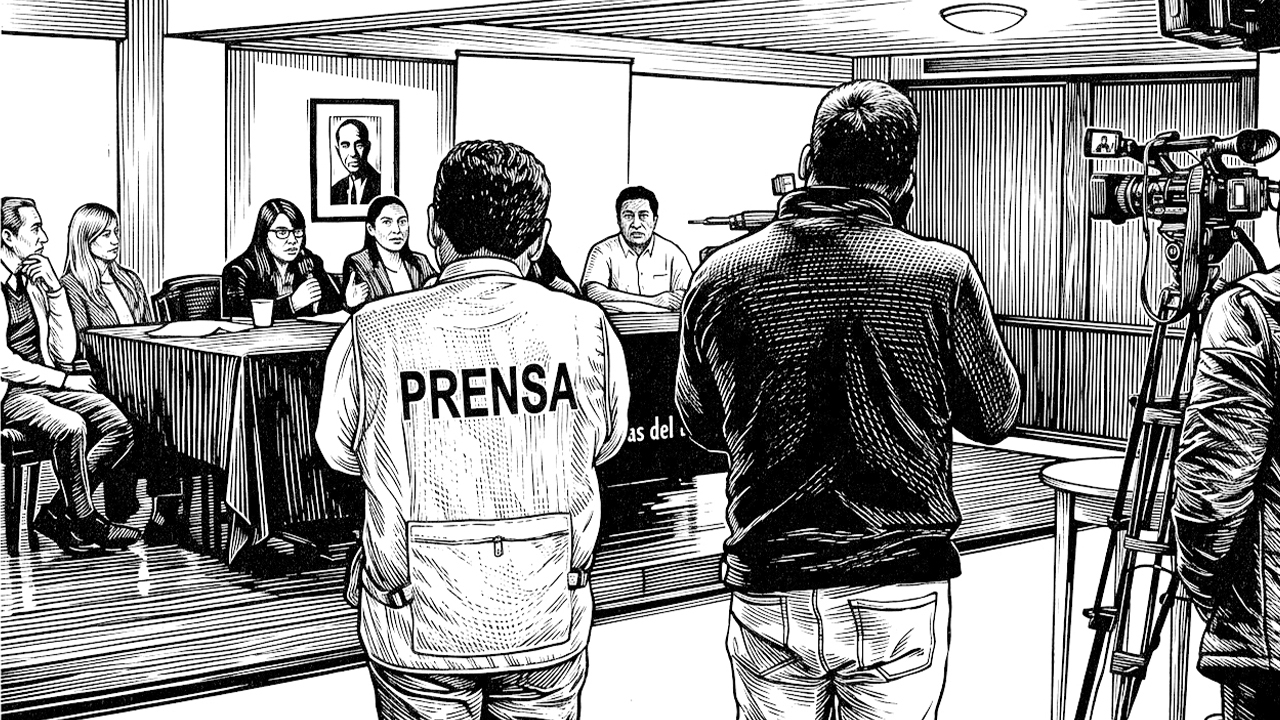
Peruvian publisher Punto Cardinal has released a Spanish translation of an influential academic critique examining American scholarship on the Shining Path insurgent group.
The book, titled Los nuevos cronistas del Peru: La academia de Estados Unidos y su "luminoso sendero" de rebelion campesina, was written by historians Gerardo Renique and the late Deborah Poole. It was translated into Spanish by Silvia Rivera Cusicanqui and published under Punto Cardinal's Meridiano imprint.
Originally written as an essay nearly 35 years ago in 1991, the text arrives as debates surrounding political violence in Peru remain active. Historian Jose Ragas noted that the release coincides with the 23rd anniversary of the presentation of the report by Peru's Truth and Reconciliation Commission.
Critique of American Academic Theories
Ragas, a specialist in science and technology who teaches at the Pontifical Catholic University of Chile in Santiago, explained that the book dissects how North American academics constructed their subject of study based on specific institutional and political interests. Ragas is also the author of Los anos de Fujimori (1990-2000), published by the Institute of Peruvian Studies.
The study focuses on two major interpretations that gained traction among scholars and policymakers during the 1980s, authored by Cynthia McClintock and David S. Palmer.
McClintock described the Shining Path, known in Peru as Sendero Luminoso, as a peasant rebellion comparable to post-World War II decolonization movements. Ragas highlighted that this framework reduced local peasants to secondary actors or victims.
Palmer argued that the movement resulted from center-periphery political and economic tensions characteristic of Peru and the broader developing world during that period.
Renique and Poole concluded that both theories quickly revealed major weaknesses by forcing the insurgent group into rigid theoretical frameworks. Ragas stated that these reductionist approaches ignored regional contexts as well as local rural and university power dynamics.
The authors argued that these academic proposals were designed to provide theoretical grounding for post-Cold War United States counterterrorism policies. Ragas drew a parallel between those historical frameworks and policies seen under the Trump administration.
Crisis and Turmoil in 1991 Peru
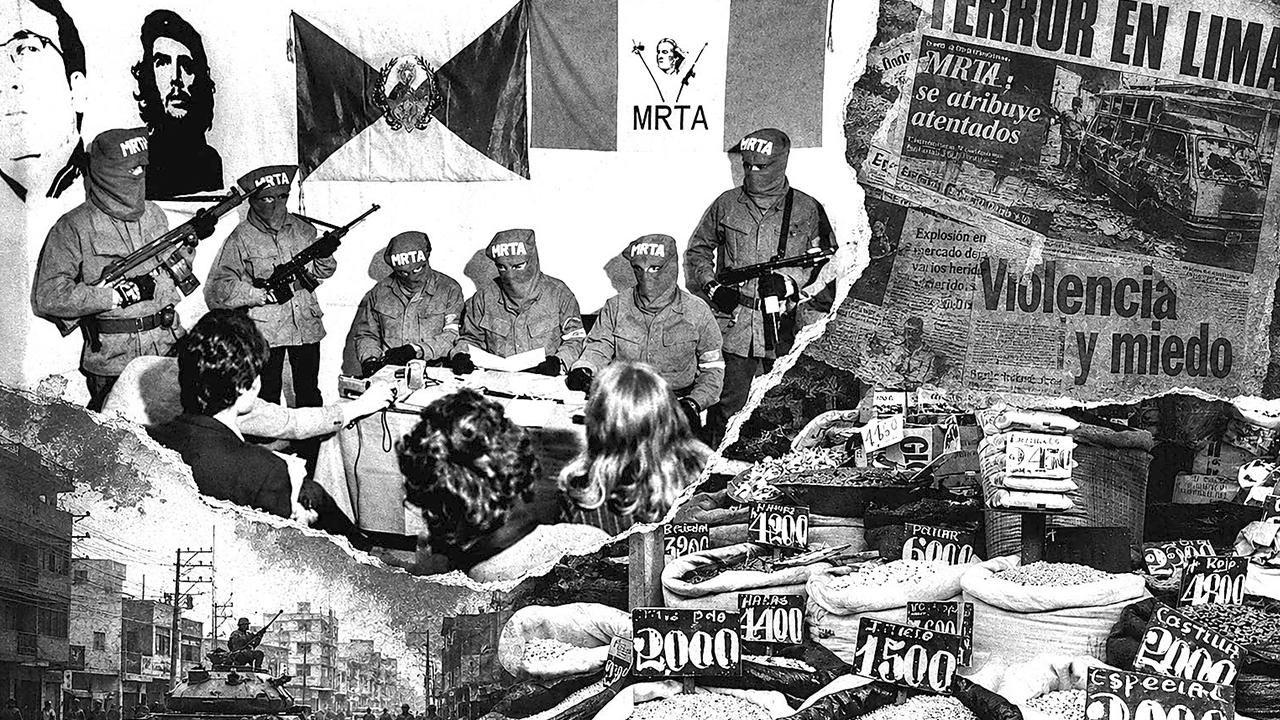
The original essay appeared during a pivotal period in Peruvian history. In 1991, Peru faced double pressures from hyperinflation and escalating insurgent violence.
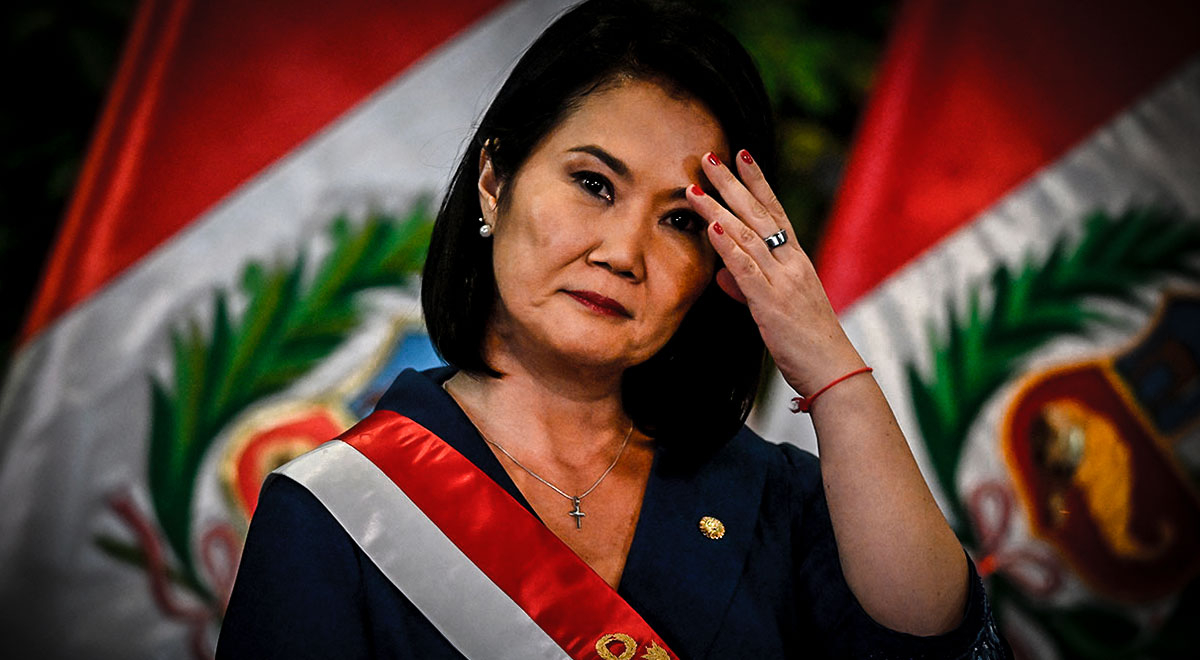
One year earlier, in 1990, political newcomer Alberto Fujimori won the presidential election against favored candidate Mario Vargas Llosa and his Fredemo coalition. Fujimori campaigned without a clear policy blueprint but strongly opposed the economic shock treatment advocated by Vargas Llosa.
Ragas noted that Fujimori's victory was unexpected for both the frontrunner and Fujimori himself, who entered office alongside his daughter.
By 1991, expected improvements had failed to materialize. Fujimori ultimately executed the same economic shock measures he had previously rejected. However, his administration omitted the poverty relief and containment programs that Fredemo had included in its proposed package.
With few economic successes to display, the government's counterterrorism campaign also showed little progress. Public anxiety grew, fed by perceptions that the Shining Path was drawing closer to capturing the capital, Lima, and seizing state power.
Origins and Structure of Shining Path
The Shining Path remained a mystery to domestic and foreign political leaders, strategists, and researchers throughout the conflict. Ragas noted that local Peruvian scholars had managed to conduct field work and offer explanations based on the specific political dynamics of Ayacucho, the south-central Andean region where the group formed.
Recent academic consensus characterizes the Shining Path as a complex movement with a rigid organizational structure that possessed tactical flexibility.
Research shows that the group emerged from a radical political culture that can be traced back to at least the 1930s, reinforced by complex family networks.
Although the movement was materially and ideologically precarious, its leadership successfully leveraged these limitations to expand its operational footprint across the country.
The organization initially enjoyed sympathy among local rural populations and within the capital both before and after launching its campaign of political violence in 1980.
Unresolved Historical Questions
Ragas emphasized that critical aspects of the insurgency remain unexplained. Key questions include understanding the roots of early public support, determining whether recruits believed armed violence could eliminate structural social divides, and assessing conditions that could allow a similar organization to emerge in the future.
He observed that political figures who claim to have defeated the Shining Path often have the strongest interest in keeping the group's image alive. Ragas noted that news of captured elderly commanders or crude political graffiti frequently surface during government crises.
The publication of Los nuevos cronistas del Peru serves as a reminder of the role academic research plays in diagnosing national problems and subjecting proposed solutions to open debate.
Ragas concluded that rigorous scholarly critique allows historical analysis of Peru's darkest periods of political violence to become more refined and precise.