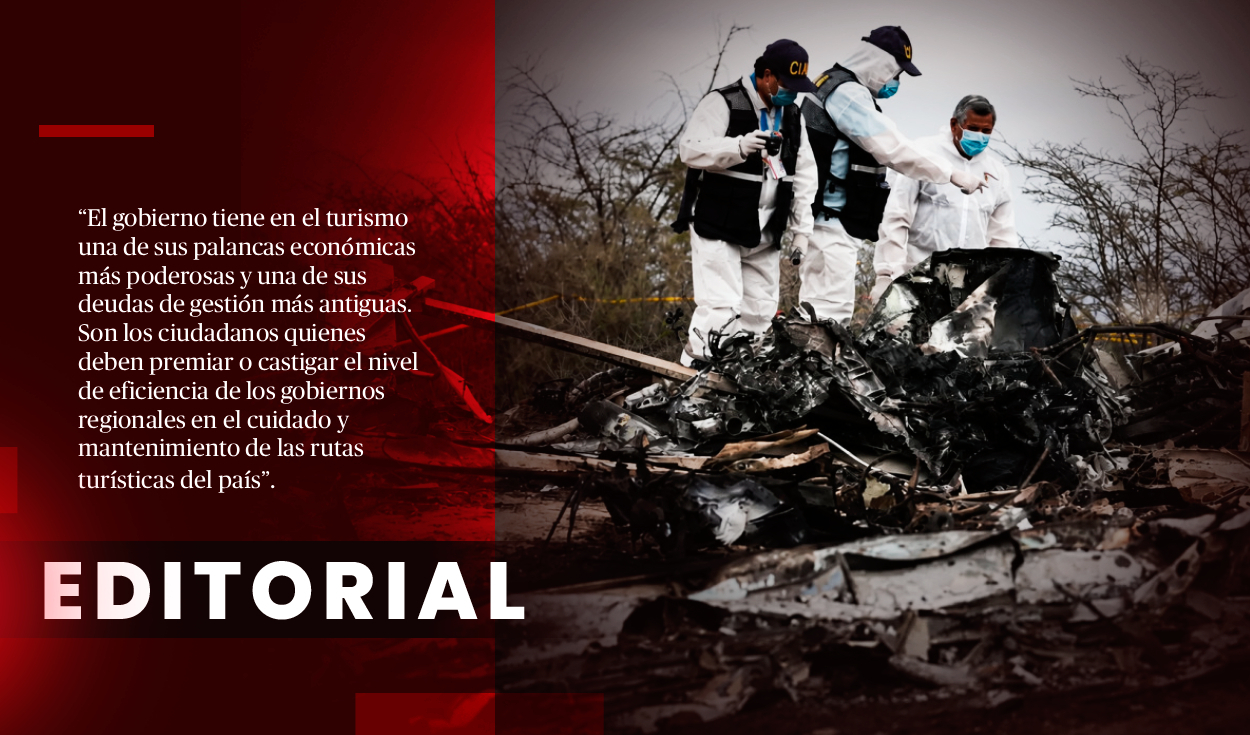
Peru's tourism industry is facing scrutiny after a plane crash and a series of mountaineering deaths killed at least 13 people within weeks of each other, according to an editorial published by World Stock Market.
On Saturday, August 1, an aircraft operated by the company Aerodiana crashed while flying over the Nazca Lines, killing all 13 people on board, including 11 European tourists and two Peruvian crew members. The pilot reported a mechanical failure before losing contact with air traffic controllers.
Deaths on Huascaran
The week before the crash, tragedies mounted on Mount Huascaran. Three Peruvian mountaineers have been missing for more than two weeks at an altitude above 6,000 meters. On July 16, an avalanche killed a porter and injured two others during the search effort. Between June and July, the Tocllaraju mountain killed two foreign climbers, and three Spanish alpinists were injured on Jirishanca.
Weak enforcement, no rescue helicopters
In the Cordillera Blanca, named the world's best adventure destination in 2025, agencies charge up to 10,000 soles per expedition without requiring clients to carry life insurance, the editorial said. Peru lacks helicopters capable of operating at the altitudes where these emergencies occur, and rescues are often only possible through private arrangements.
The editorial said regulations exist but enforcement is weak in both Nazca and Huascaran, with safety protocols that are written but never verified. It said Peru's Ministry of Foreign Trade and Tourism, Ministry of Culture and Ministry of the Interior each hold clear responsibilities, and coordination between them should not wait for tragedy to occur.