Peru's purchase of F-16 fighter jets from American firm Lockheed Martin shows state influence in multinational corporate deals, foreign policy analyst Oscar Vidarte Arévalo said.
Writing in World Stock Market, Vidarte Arévalo argued that while transnational corporations have gained immense economic and political power over recent decades, their independence from national governments remains limited.
Debates over corporate independence frequently center on Chinese companies, particularly state-owned enterprises or firms funded by public capital that serve Beijing's foreign policy goals.
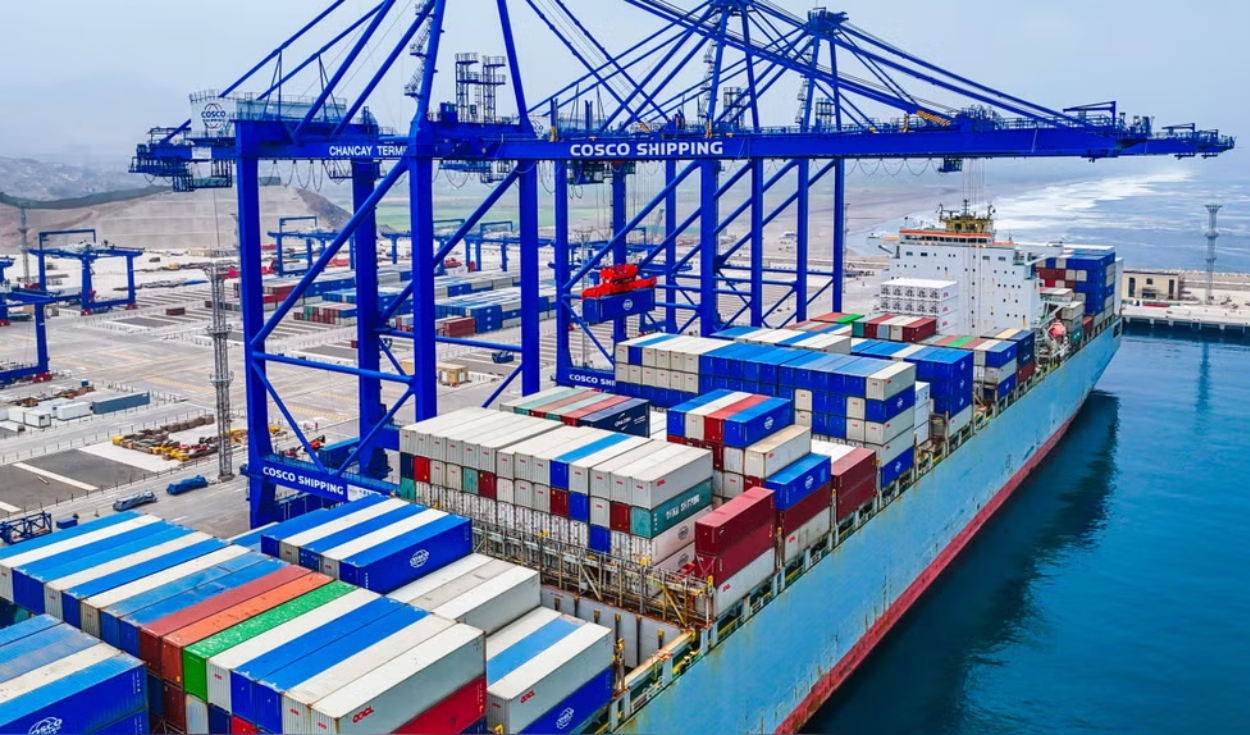
The United States government has repeatedly expressed concern that the port of Chancay, located on the Pacific coast of Peru and majority-owned by Chinese firm Cosco Shipping Ports, could serve Chinese military interests.
American officials point to the civil-military fusion policy promoted by Chinese President Xi Jinping, which integrates commercial economic development with national defense strategy.
Western government influence in defense deals
Vidarte Arévalo noted that state intervention in commercial corporate transactions is not unique to China and occurs regularly among Western nations as well.
The Peruvian government's process to purchase F-16 fighter aircraft from US defense contractor Lockheed Martin demonstrates clear American political influence despite being structured as a private corporate sale.
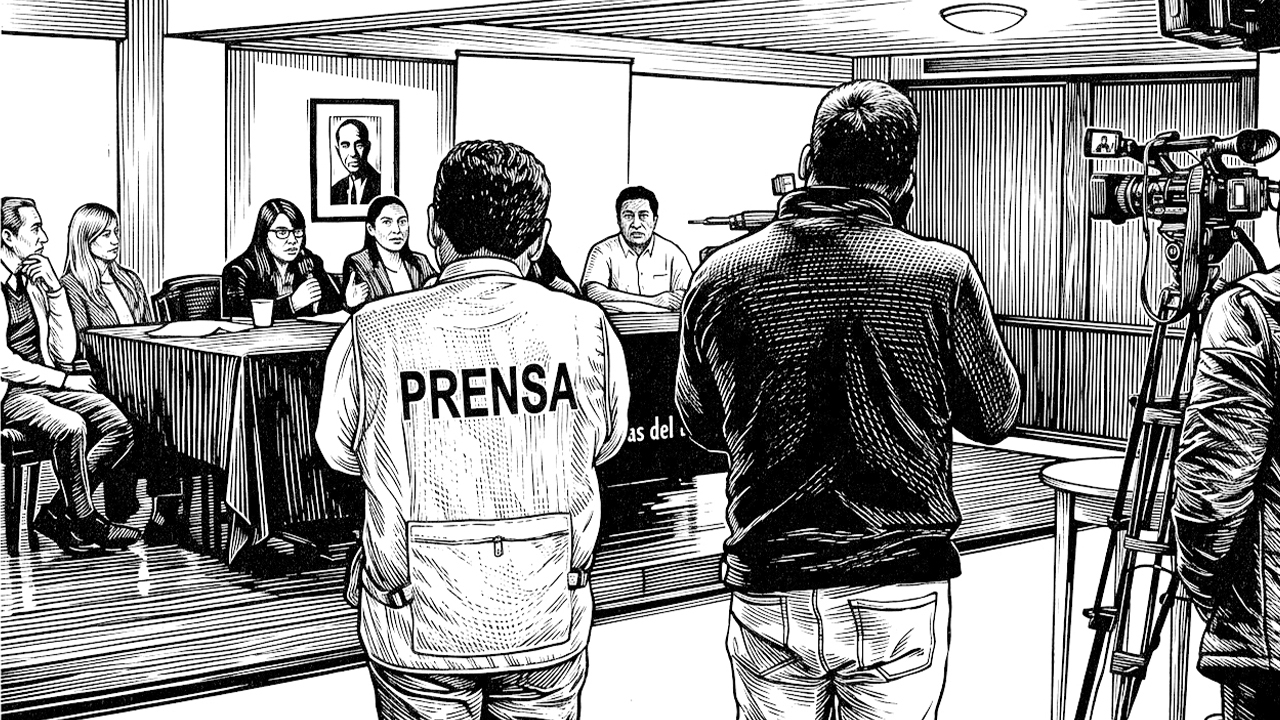
At the XVII Conference of Defense Ministers of the Americas held in Cusco this year, US Deputy Secretary of Defense Elbridge Colby publicly highlighted Peru's purchase as an important step to align with the US defense industry.
Political factors shaping military aircraft selection
Although the procurement process was classified, journalistic sources reported that the official American proposal was rated below the Swedish Gripen fighter jet option.
However, the Peruvian government expressed political considerations to tip the balance in favor of selecting the F-16 aircraft.
Lockheed Martin also highlighted the deal, emphasizing that the fighter jet purchase would strengthen the strategic alliance between Peru and the United States.
International strategy and corporate diplomacy
Vidarte Arévalo concluded that governments routinely build direct and indirect links with domestic businesses to advance international interests, noting that promoting Peruvian companies across Latin America could build national prestige and leadership.
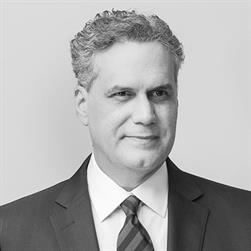
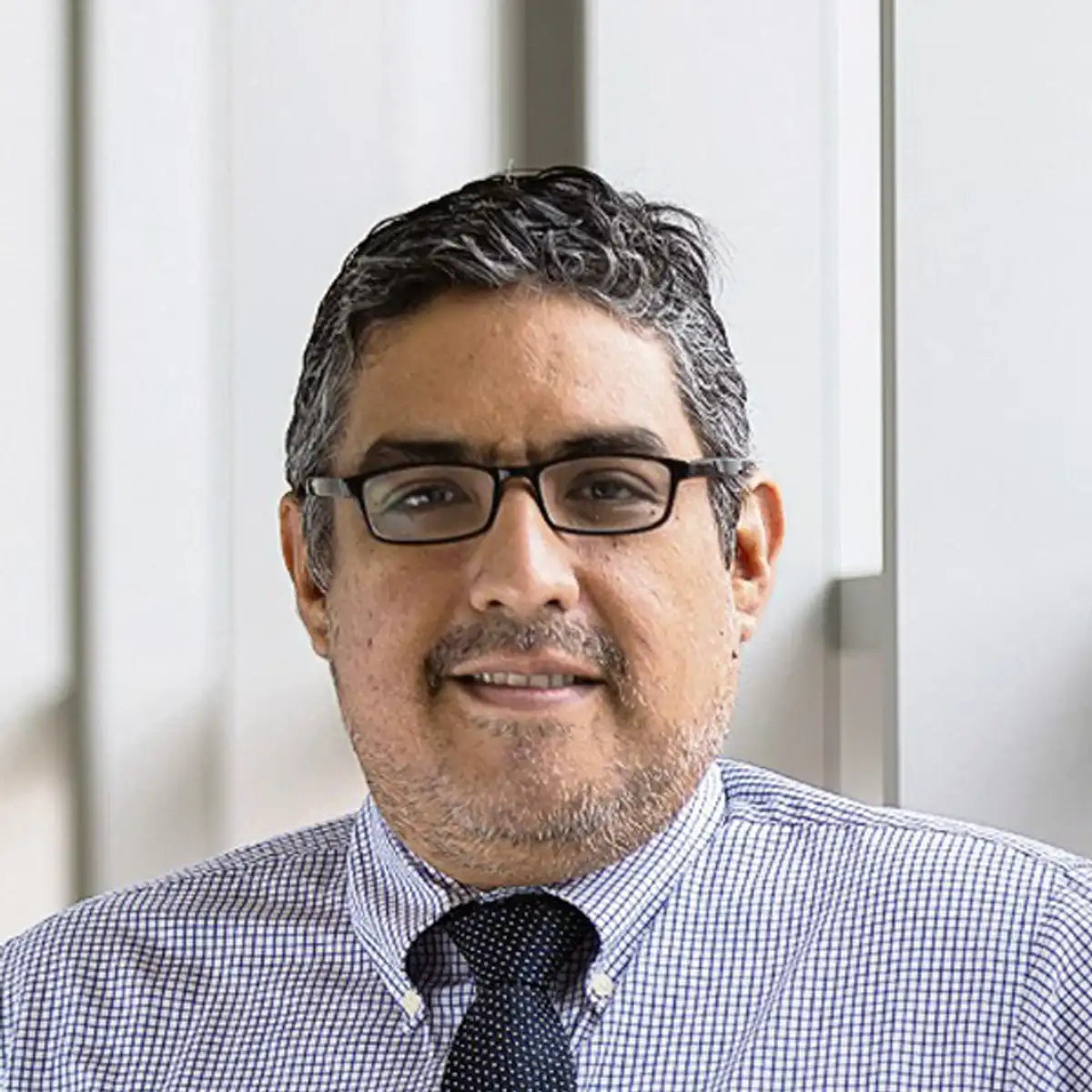
Vidarte Arévalo is a principal professor and coordinator of the Research Group on Peruvian Foreign Policy at the Pontifical Catholic University of Peru (PUCP) in Lima.
He holds a doctorate in political science and government from PUCP, a master's degree in international relations from Pontificia Universidad Javeriana in Colombia, and completed postgraduate studies in international security at the University of Delaware.
His published works include books on tri-national foreign policy between Peru, Bolivia, and Chile published in 2023, as well as a 2024 analysis of political and economic aspects of the war in Ukraine.