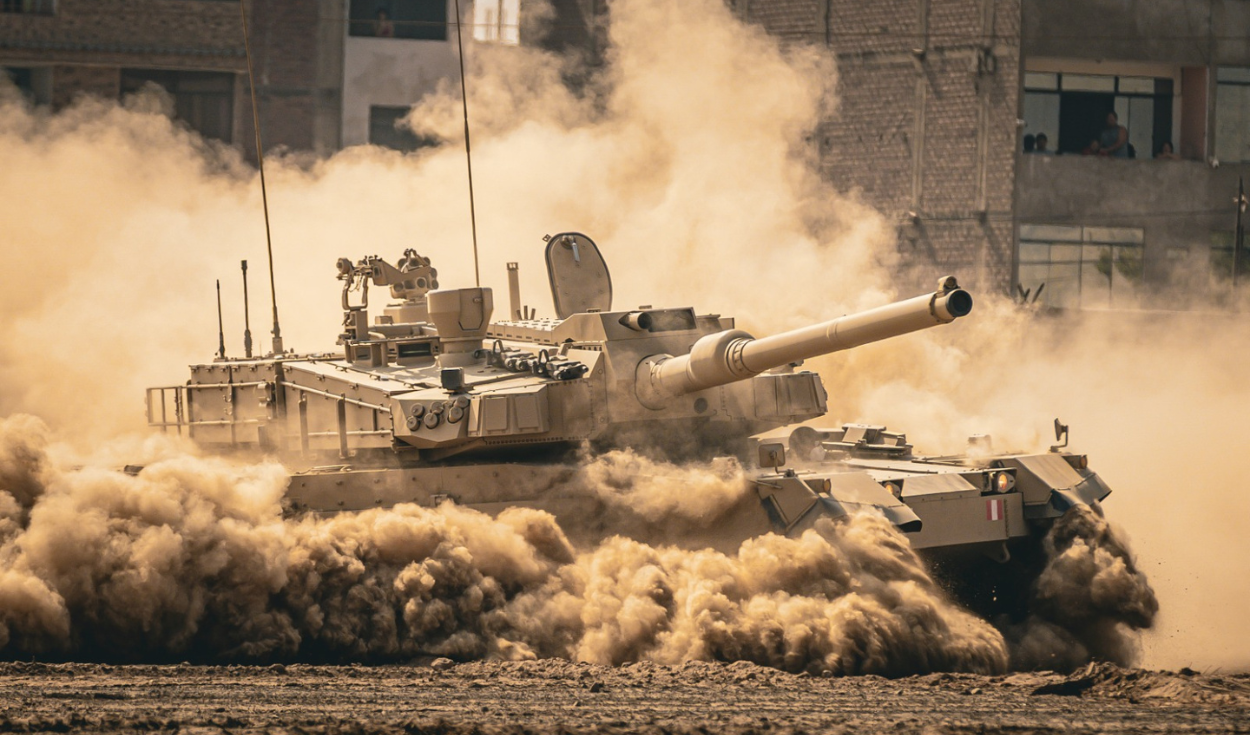
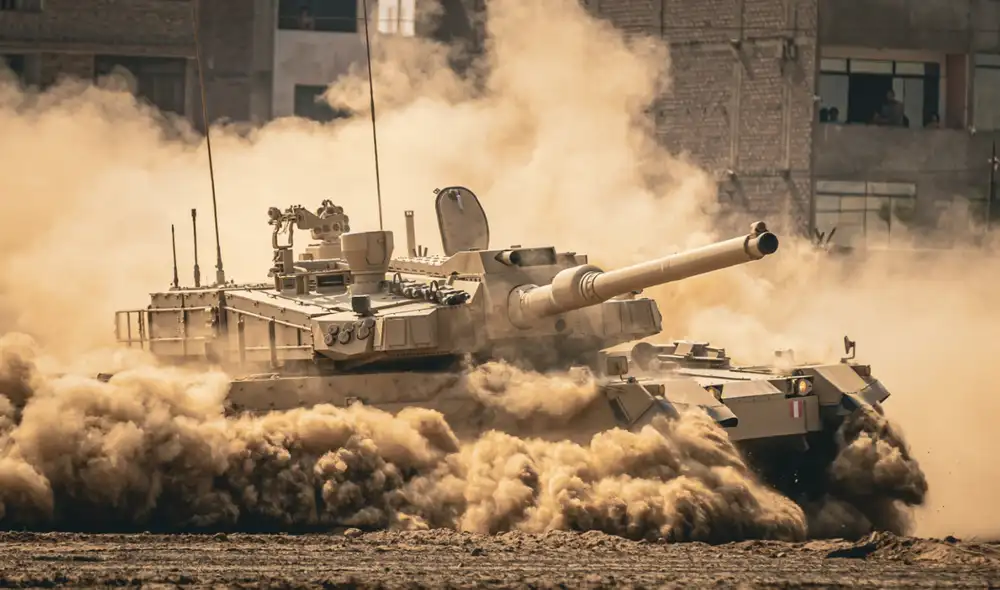
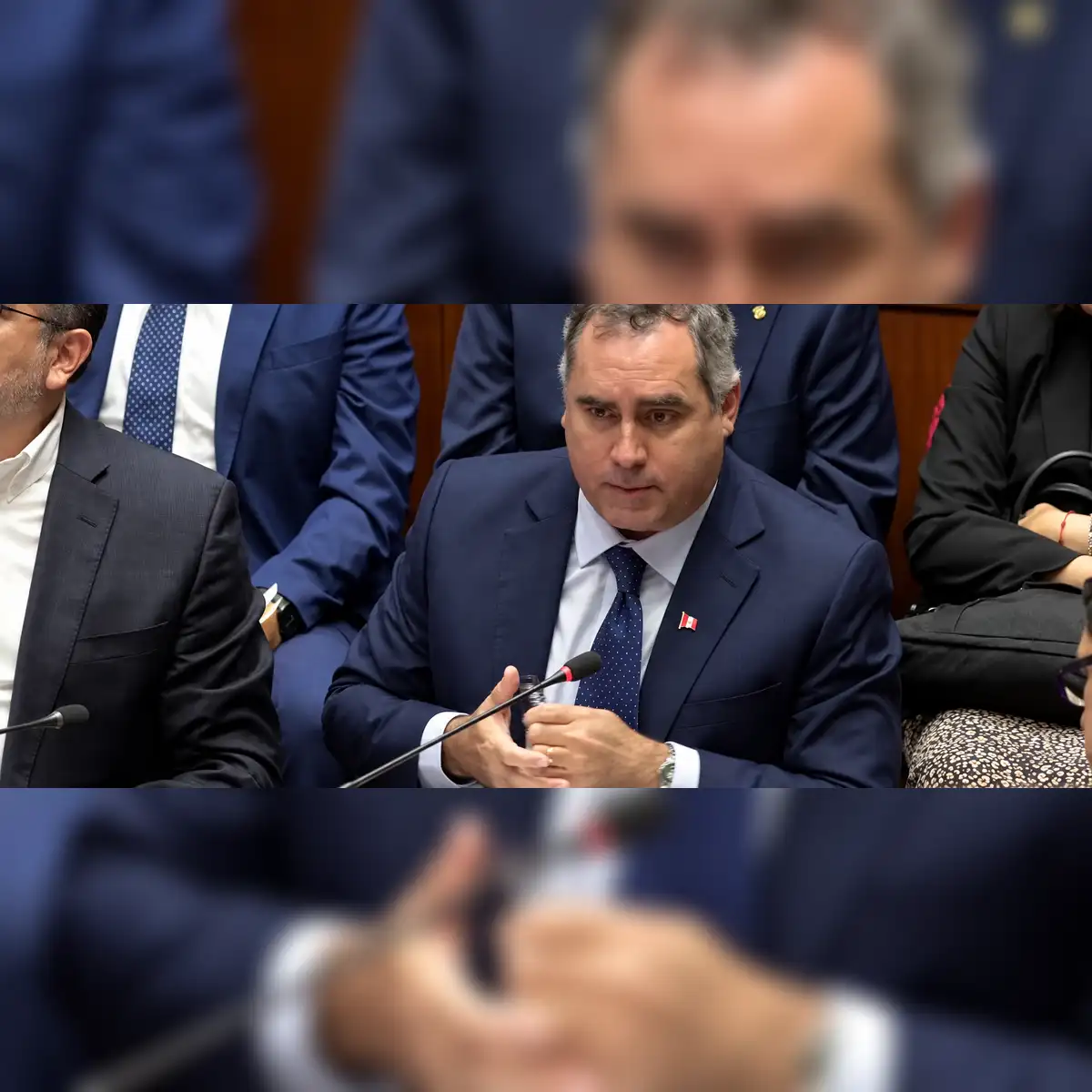
Peruvian Defense Minister Rafael Belaúnde has confirmed that the government has no funds allocated to purchase South Korean K2 Black Panther tanks to replace the army's aging Soviet-built T-55 fleet. He stated that the military has not submitted any investment project for the tank acquisition, nor is any money included in the proposed 2027 national budget.
Speaking to news outlet La República, Belaúnde explained that while manufacturer Hyundai Rotem has expressed willingness to sell the armored vehicles, nothing concrete has been planned. He added that when presenting a supplementary credit request before the Bicameral Budget Commission on October 5 for five state priorities, main battle tanks were not among them.
Belaúnde clarified that if an opportunity to procure new tanks arises in the future, it will not follow the shortcut provision of Law No. 31684. That legislation allows the armed forces to contract directly through the state-owned Army Weapons and Munitions Factory, known as FAME. Instead, the defense minister insisted that any future tank purchase must be conducted through an open international bidding process.
No budget for South Korean armour
The minister acknowledged that he personally inspected the K2 Black Panther tanks after three units arrived in Peru in July 2026. While describing the vehicles as having impressive capabilities, he reiterated that no formal investment project exists on the table, unlike the nation's ongoing fighter jet replacement program involving F-16 Block 70 aircraft.
Peru currently maintains a strategic alliance with South Korea's Hyundai Rotem, which Belaúnde noted could facilitate a future deal. However, he emphasized that a purchase of such magnitude requires a full international competition and said the army has yet to submit a formal technical request to the defense ministry.
The push for South Korean armor dates back to the administration of former President José Jerí. On December 9, 2025, during Army Day celebrations, the Peruvian military signed a strategic agreement with Hyundai Rotem for the potential acquisition of 54 K2 Black Panther main battle tanks and 141 K808 White Tiger wheeled armored vehicles.
That proposed deal carried an estimated investment of $5 billion, with FAME acting as an intermediary broker. The abrupt end of Jerí's presidency did not immediately halt the effort to secure the vehicles without a competitive tender.
Demonstrations despite lack of tender
During the subsequent government of former President José María Balcázar, former Defense Minister Amadeo Flores Caragno asked South Korean Defense Minister Ahn Gyu-back to intercede with Hyundai Rotem so the company would showcase the K2 Black Panther at Peru's July 29 military parade.
Although three K2 tanks were shipped to Peru for the event, the incoming administration of President Keiko Fujimori refused to allow them to appear in the parade, as revealed by La República. Despite the public rejection, the three tanks carried out a live demonstration of their capabilities at the FAME testing grounds on September 14, 2026.
That demonstration took place even though the army had not issued a formal technical requirement or requested the Armed Forces Procurement Agency to open an international bidding process. Belaúnde reiterated that any national security and defense strategy must originate directly from the army before procurement funding can be requested.
Replacing troublesome Russian helicopters
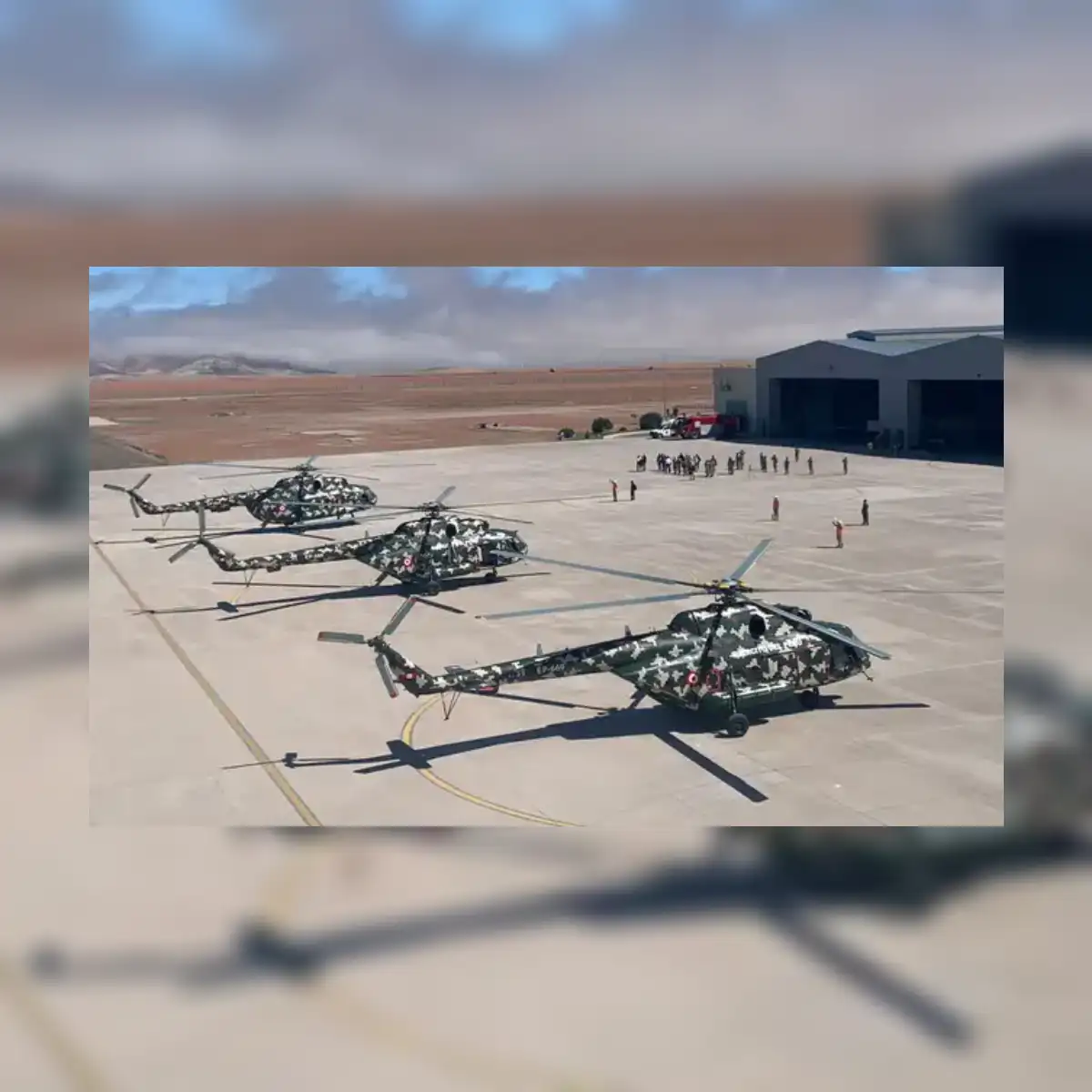
While ruling out tank purchases, Belaúnde revealed that the government is actively working to phase out its fleet of Russian-made helicopters. International sanctions imposed on Russia following its invasion of Ukraine have severely disrupted maintenance contracts, total overhauls, and the supply of spare parts for the aircraft.
A recent contract highlights the operational difficulties facing the Peruvian military. In 2023, the army awarded a $20.3 million contract without public bidding to Russia's state-owned National Aviation Service Company, known as NASC, to overhaul three helicopters within 300 calendar days.
The Russian contractor took more than two years to complete the urgent repairs. Upon delivery, one of the three helicopters immediately suffered mechanical failures due to faulty overhaul work. Furthermore, NASC informed Peruvian defense officials that maintenance on Mi-series helicopters can only be performed through official Russian state representatives.
Transitioning to NATO equipment
Belaúnde stated that Peru aims to eliminate its sole reliance on Moscow by transitioning its helicopter fleet to NATO-standard aircraft manufactured in the United States or Europe. He noted that economic sanctions against the Russian Federation have made financial transactions to Russian suppliers increasingly difficult.
The defense minister pointed to the Peruvian Air Force as a model for the army's planned transition. The air force recently decided to replace its Russian-built combat fleet, which relies on MiG-29 and Sukhoi Su-25 jets, with F-16 Block 70 fighters built by American defense contractor Lockheed Martin.
Belaúnde argued that expanding and modernizing the helicopter fleet is urgent, particularly given the natural disasters and severe flooding caused by the El Niño climate phenomenon. He stressed that Peru needs more operational helicopters and must make the effort to join the NATO supply chain rather than depending on a single foreign power.