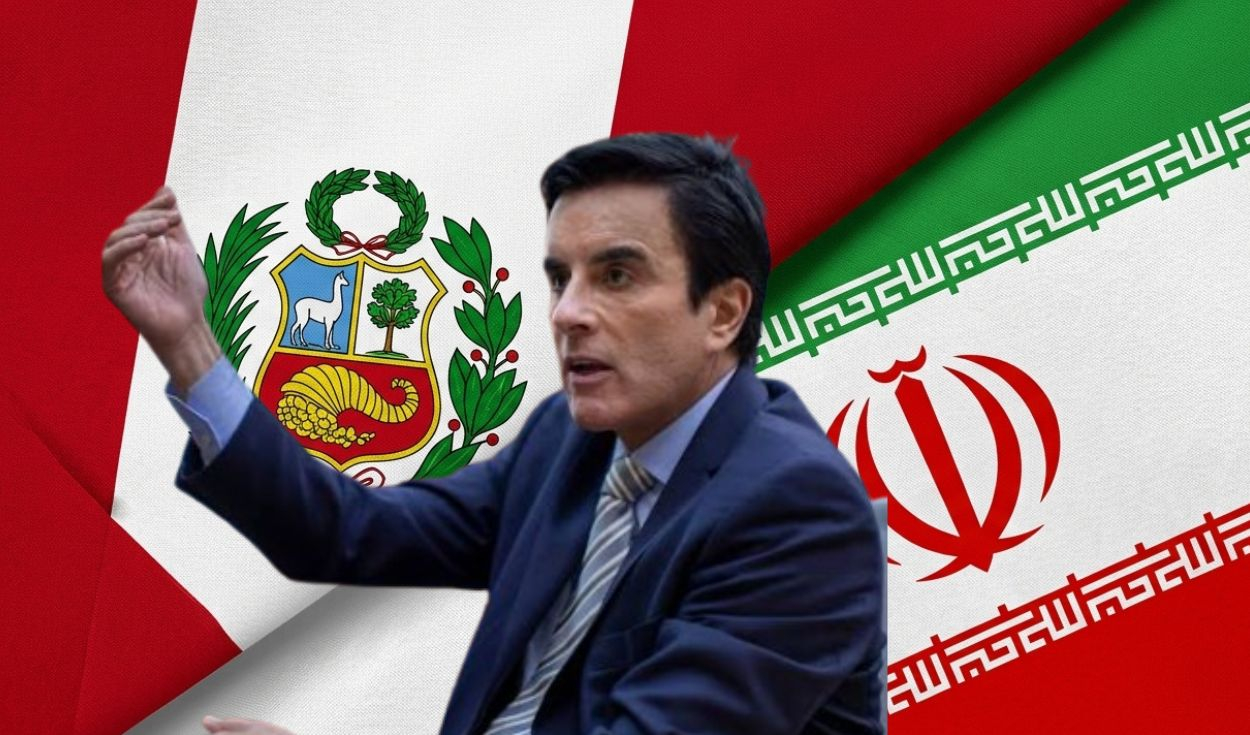
Peru's government under President Keiko Fujimori has officially broken diplomatic relations with Iran, delivering the decision through Iran's embassy in Ecuador as conflict escalates in the Middle East between Tehran, the United States and Israel.
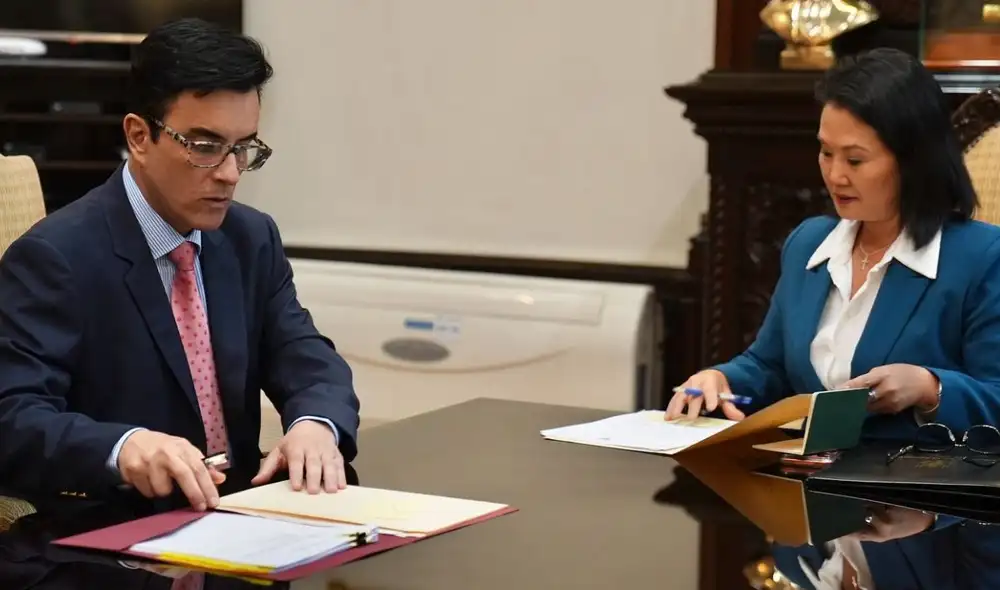
The formal severance of ties was carried out under the direction of Foreign Minister Carlos Espá, who authorized the transmission of an official diplomatic note to Iranian diplomats stationed in Ecuador, a neighboring South American nation where Iran maintains its diplomatic mission for the region.
The diplomatic breach occurs against the backdrop of direct military confrontations between Iran and the United States, who exchanged strikes for the first time in a month. In response to the hostilities, the president of Iran warned that the war benefits no party, while leaders from Russia, China and India met at an international summit to counter US President Donald Trump and demonstrate support for Iranian sovereignty.
Peruvian foreign ministry statement on Iran
In an official statement released by the Peruvian Ministry of Foreign Affairs, the government stated that it had been observing the worsening state of core values in Iran with growing dismay. The ministry highlighted reports from various United Nations mechanisms that documented the suppression of peaceful street protests, the violation of press freedom, systemic discrimination against women and young girls, and the state persecution of political opposition figures.
The foreign ministry also focused on maritime disruptions caused by the regional crisis, specifically pointing to the partial closure of the Strait of Hormuz. The strategic waterway, located between the Persian Gulf and the Gulf of Oman, handles approximately 20 percent of global petroleum shipments. Peruvian authorities characterized the partial closure as a direct attack on commercial freedom resulting from the conflict between Tehran and Washington.
According to the ministry, actions that restrict transit through international waterways breach established international law governing freedom of navigation and the right of transit passage through strategic straits. The government maintained that maritime transit rights cannot be subjected to unilateral conditions, emphasizing that the closure threatens maritime navigation safety, human life at sea, marine environmental conservation, global energy prices and the stability of international supply chains.
The official Peruvian statement further asserted that Iran is actively inciting violence and worsening conflict across the Middle East. Additionally, the ministry accused the Iranian administration of deliberately obstructing the work of the International Atomic Energy Agency, the United Nations nuclear watchdog tasked with monitoring nuclear compliance.
Contradictions in foreign policy arguments
The decision drew swift criticism from international relations experts in Peru. Analyst Farid Kahhat stated that the arguments used by the ministry to justify ending diplomatic ties contained clear internal contradictions. Speaking to the Peruvian digital news portal Epicentro, Kahhat pointed out that Foreign Minister Carlos Espá has shown a strong alignment with United States interests, noting that Espá previously spent 15 years working at the US Embassy in Lima.
Kahhat expressed disapproval of the government's justification, calling it a shame and explaining that Iran's authoritarian system and human rights record were well known long before this decision. He argued that citing internal repression as the primary reason to cut ties was unworthy of serious consideration, as those conditions had existed for years without preventing Peru from maintaining diplomatic relations with Tehran.
Kahhat further noted that Peru maintains full diplomatic and commercial relations with China, despite Beijing operating as a single-party dictatorship with a documented history of domestic political restrictions. Kahhat stressed that China remains Peru's primary international trading partner, particularly for mineral exports, making the government's moral argument against Iran inconsistent.
Addressing the legal arguments, Kahhat recalled that while evidence of human rights violations in Iran is documented, top Iranian government officials have not been formally charged before the International Criminal Court in The Hague for war crimes or crimes against humanity. Kahhat contrasted this situation with Israeli Prime Minister Benjamin Netanyahu, who faces formal ICC arrest warrants and charges related to military conduct in the Middle East.
Impact on international relations and trade
Óscar Vidarte, a foreign policy expert and professor at the Pontifical Catholic University of Peru in Lima, also criticized the administration's declaration. In statements published by the Peruvian daily newspaper La República, Vidarte remarked that the statement demonstrated a limited understanding of Middle Eastern geopolitics and presented a heavily biased perspective on the conflict.
Vidarte disputed the government's premise that Iran holds sole or primary responsibility for the ongoing regional escalation. He raised the question of whether the Peruvian administration would similarly condemn the United States and Israel for launching military attacks against Iran, which he stated violated numerous established norms of international law.
Vidarte warned that the Fujimori administration is dismantling Peru's longstanding foreign policy tradition of maintaining a balanced diplomatic posture among major world powers. He emphasized that by breaking ties with Iran and aligning closely with Washington, Peru risks alienating key international partners like China, which maintains strong diplomatic and strategic backing for Tehran.