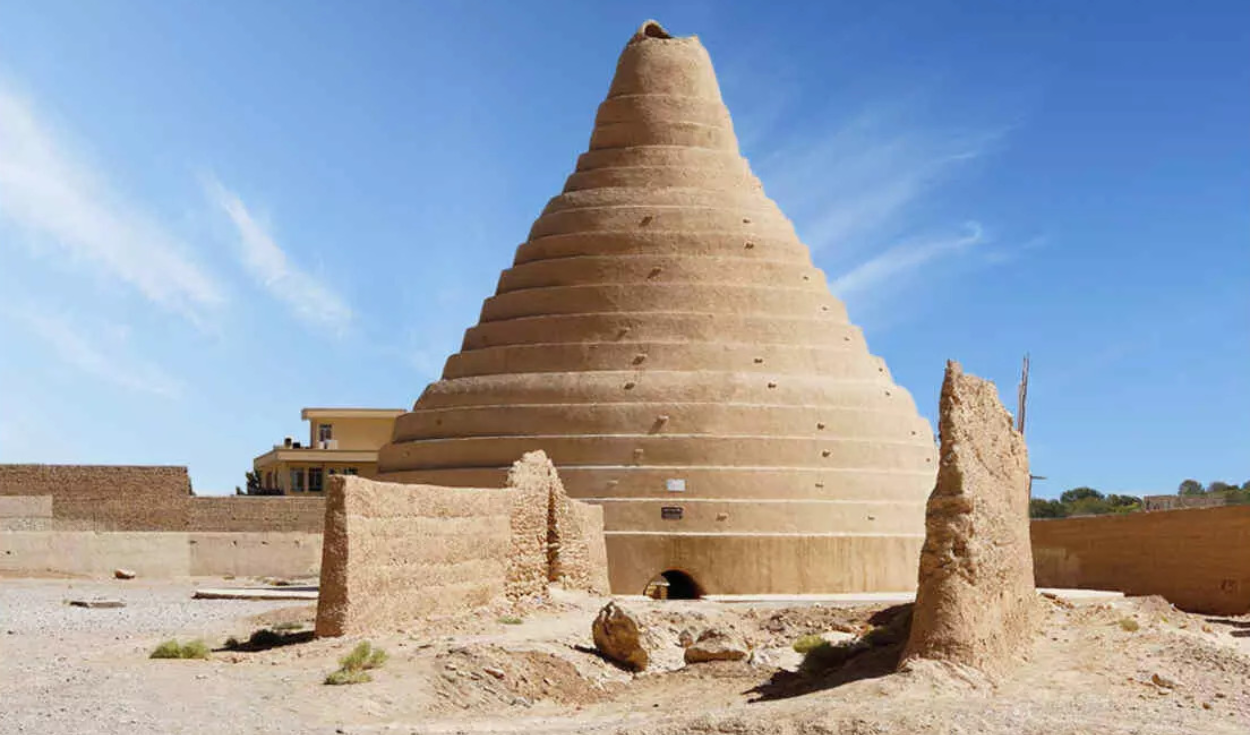
Ancient Persian builders preserved ice in desert heat as early as 400 BC using massive domed structures known as yakhchals.
The buildings relied on walls measuring about two meters thick at the base and a unique water-resistant mortar to maintain freezing temperatures through intense summer heat without electric power.
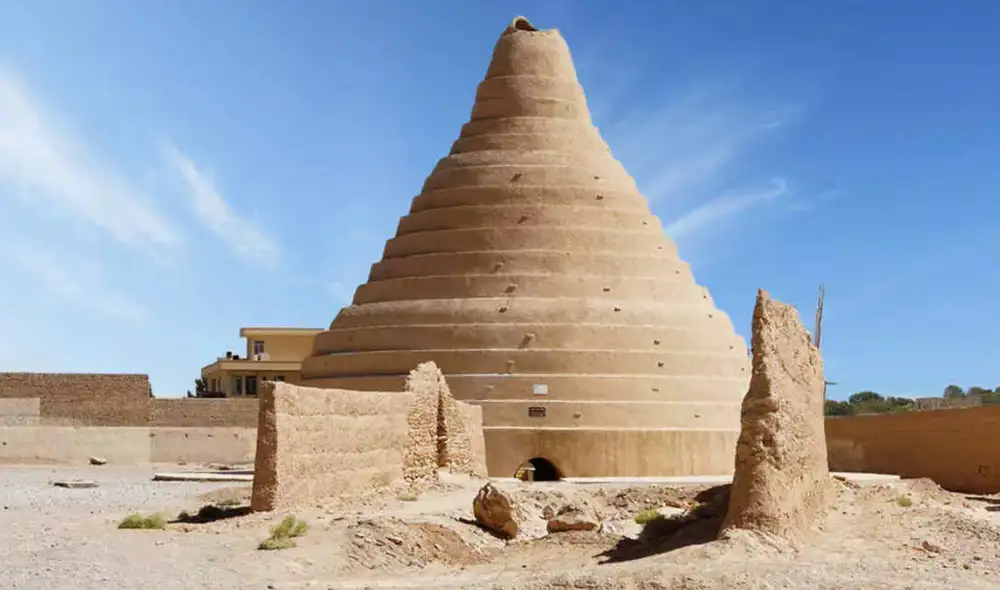
Persia was an ancient empire centered in modern-day Iran, a region characterized by arid desert plains and extreme seasonal temperature swings. A yakhchal, which translates from Persian as an ice pit, is a specialized architectural complex engineered specifically to produce and store ice during the hottest summer months.
While historical records trace early ice storage techniques in the region to around the fourth century BC, the exact period when the first large vaulted yakhchals appeared remains uncertain. Designed to adapt to the harsh regional climate, some of these structures could hold several thousand cubic meters of ice inside their subterranean storage chambers.
Mortar recipe and wall engineering
The cooling performance of a yakhchal depended on much more than the sheer bulk of its outer walls. Builders used a specialized traditional mortar known as sarooj to bind and seal the thick structural shell.
Sarooj was formulated from a mixture of sand, clay, lime, ash, goat hair, and egg whites, depending on local recipes and available resources. The compound provided physical strength while resisting heat penetration and preventing water from leaking through the structure.
Waterproofing was critical to the preservation process. The stored ice had to stay completely dry and protected from outside humidity, so the architectural design and building materials worked in tandem to maintain a cold, dry interior environment.
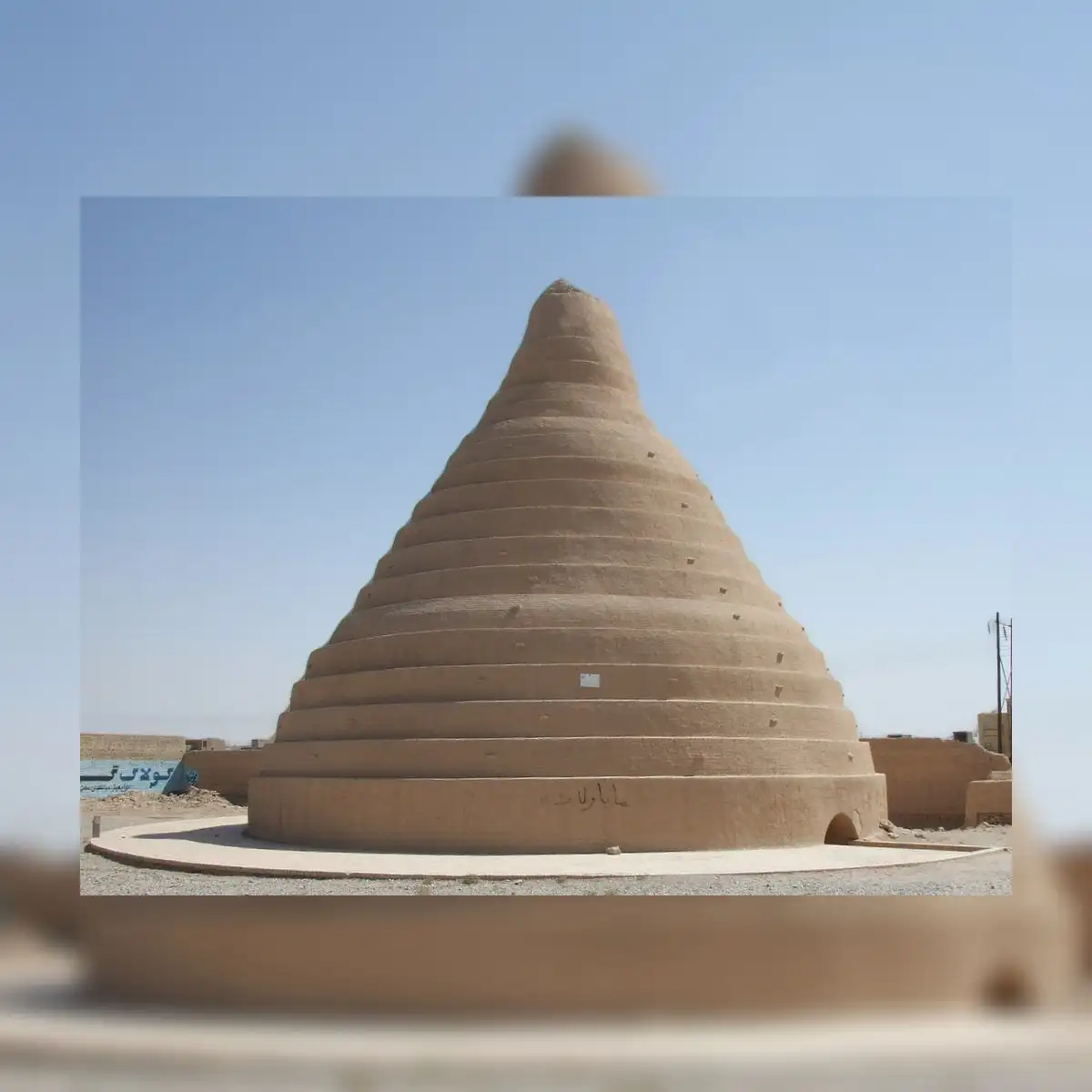
Above the deep storage chamber, builders erected a large conical dome that reached several meters into the air. The tall vaulted shape, heavy wall insulation, and underground storage pit combined to minimize heat exposure from direct sunlight.
Winter production and water channels
Ice stored within the yakhchals was either hauled from nearby mountain ranges or produced directly at the site during the winter. In areas where winter nights grew cold enough, workers poured water into expansive, shallow open-air basins.
Under clear desert night skies, rapid radiant cooling allowed thin layers of standing water to freeze solid before morning. Workers then harvested the ice slabs and transferred them into the insulated subterranean vault for long-term storage.
To ensure a reliable water supply, many yakhchal sites were connected to qanats. Qanats are ancient subterranean aqueduct channels designed in Persia to transport fresh water from mountain foothills across long distances without losing water to evaporation.
Some large yakhchal complexes were also equipped with badgirs, traditional Persian wind catching towers. These architectural towers funneled passing breezes downward into the facility to promote continuous air circulation and maintain lower temperatures inside.
Centuries of use and Iranian desserts
The passive cooling technology survived long past antiquity. Yakhchals remained an essential part of daily life across Iran for centuries, operating continuously until the 1960s when modern electric refrigerators became widely available.
Throughout their long history, yakhchals supplied ice for domestic refrigeration and the creation of cold foods and drinks. The stored ice was notably used to make faloodeh, a traditional Iranian cold dessert crafted from thin starch noodles, sweet syrup, and rose water.
By combining architecture, climate awareness, and native materials, ancient Persian communities preserved winter cold through scorching summers without relying on electrical power or modern machinery.