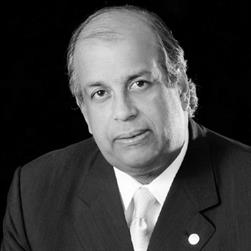
Spanish Prime Minister Pedro Sánchez moved to enact rejected housing decrees through an emergency parliamentary body in Madrid four days after Congress voted them down.
The executive action comes 54 days before Spanish citizens vote in general elections to determine the national government for the next four years.
Sánchez appeared on camera to announce the approval of the measures despite the parliamentary defeat of the package, which includes regulations known as the Maricarmen decrees. The prime minister has repeatedly cited principles of legitimacy and popular sovereignty to defend his administration's position.
Pedro Sánchez has served as Prime Minister of Spain since 2018 as leader of the Spanish Socialist Workers' Party. Under the Spanish political system, the Prime Minister heads the executive branch, while legislative power is vested in the parliament, known as the Cortes Generales.
Emergency parliamentary mechanism
To advance the housing legislation, Sánchez plans to utilize the Standing Committee of Congress, an emergency parliamentary body that operates while regular legislative sessions are suspended or during election periods. The mechanism will be used to push forward at least one of the two decrees defeated in the plenary session.
The second decree, which proposed making residential rental agreements lifelong, was abandoned after failing to secure support from the Basque Nationalist Party. The Basque Nationalist Party is a regional political organization whose votes are frequently required to pass key legislation in the Spanish parliament.
Members of the governing Socialist party and Podemos maintained that invoking the Standing Committee to pass the housing measures is entirely legal under parliamentary rules. Podemos is a left-wing party that has acted as a key parliamentary partner to the socialist administration.
Writing in an opinion column, journalist Erik Montalbán stated that the use of the emergency committee constitutes a misuse of parliamentary rules that disregards the decision of Congress. Montalbán noted that the dispute is likely to be brought before the Constitutional Court, Spain's tribunal responsible for determining whether legislative actions comply with the national constitution.
The constitutional debate centers on Article 66 of the Spanish Constitution, which specifies that the Cortes Generales represent the Spanish people and hold legislative authority. Opposition to the decrees rests on the argument that a majority of parliamentary representatives rejected the measures during Friday's vote.
Impact on the rental market
The political conflict follows immediate market reactions when the housing decrees briefly took effect last week. During the initial hours of enforcement, approximately 4,000 rental properties were withdrawn from the market across Spain.
Property owners removed listings over concerns that the new rules represented a de facto expropriation of private property. Montalbán reported that severe uncertainty has left few landlords willing to place apartments on the rental market unless compelled by necessity.
The column highlighted growing public dissatisfaction over housing conditions, pointing out that government efforts had failed to resolve structural supply issues over an eight-year period despite recent promises of rapid fixes. Demonstrators have maintained a camp in Madrid's Puerta del Sol, a central public square that historically serves as a focal point for political protests in the capital, though campers primarily use the tents for sleeping.