Spanish Prime Minister Pedro Sánchez faces fierce criticism over his government's handling of the ongoing migration crisis in the North African territory of Ceuta.
More than 80,000 Spanish residents live in the autonomous city, where public services have been overwhelmed following an influx of undocumented migrants entering from neighbouring Morocco.
Criticism of Sánchez has escalated while the prime minister stays at La Mareta, an official state retreat in Lanzarote in the Canary Islands. Opponents have pointed to his social media activity recommending books, music, and eclipse glasses while thousands of migrants entered the enclave, as well as an official videoconference photograph in which his legs appeared to be digitally edited out.
Critics claim the administration's response has damaged Spain's international standing, describing the situation in the coastal city as a major political and administrative failure.
Healthcare crisis and hospital strain
Healthcare administration in Ceuta falls directly under Spain's Ministry of Health through the National Institute of Health Management, known as Ingesa. The public body manages healthcare provision for Spain's autonomous North African cities of Ceuta and Melilla.
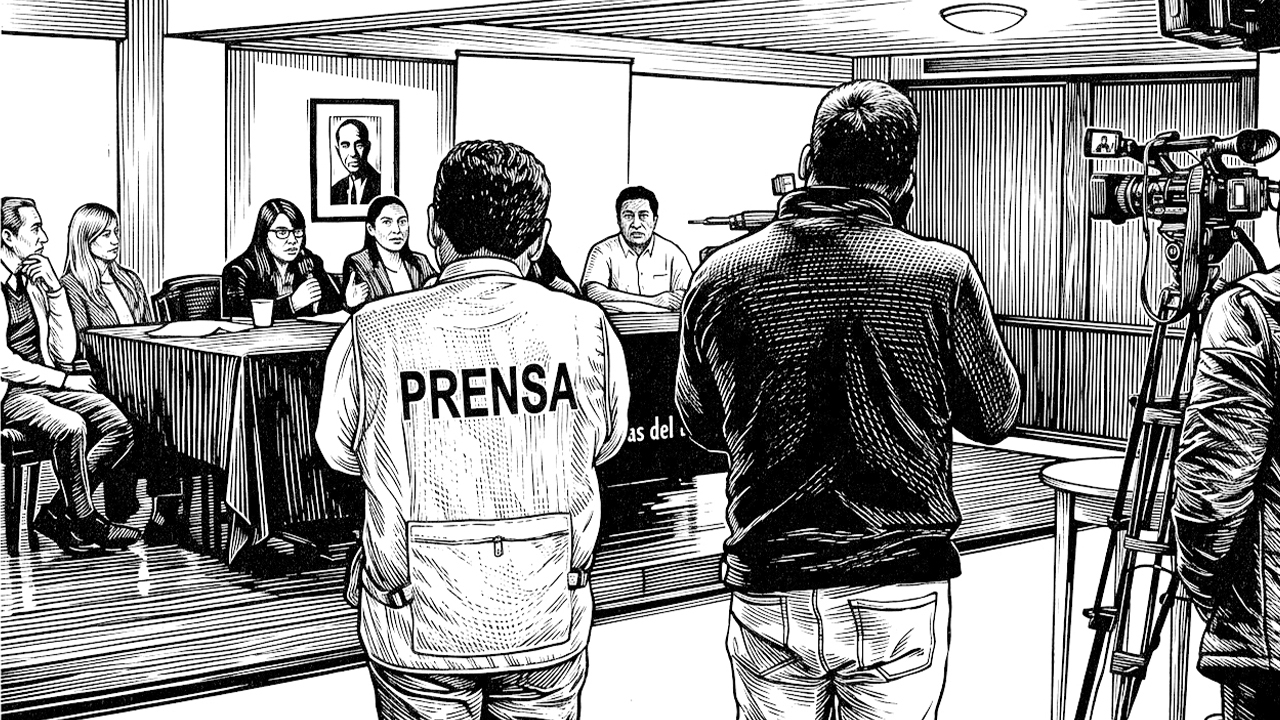
Health Minister Mónica García made her first official visit to Ceuta on Sunday since taking office, following widespread warnings from medical organisations. Doctors and health workers report that the city's main hospital is on the verge of collapse due to a critical shortage of medical specialists.
Medical groups have described Ceuta as a major epidemiological concern, with hospital facilities unable to cope with rising patient demands and resource deficits.
Cabinet split over Moroccan relations
Foreign Minister José Manuel Albares and Interior Minister Fernando Grande-Marlaska face sharp criticism for their inaction and communication during the crisis. Albares has been faulted for maintaining a submissive posture toward Moroccan authorities, while Grande-Marlaska has faced scrutiny over conflicting statements regarding security operations.
Defense Minister Margarita Robles has taken a contrasting public approach, defending the performance of Spanish intelligence services against claims originating from the Interior Ministry. Robles publicly reaffirmed Spanish sovereignty over Ceuta and met directly with local residents who voiced anger at the central government.
Overcrowding and minister responses
Local facilities in Ceuta are currently housing thousands of unaccompanied migrant minors. The overcrowding has coincided with official complaints and police reports of sexual assaults against local women, raising public safety concerns across the enclave.
Equality Minister Ana Redondo and Youth and Children Minister Sira Rego have drawn criticism for remaining silent regarding the overcrowding and safety complaints. Minister for Digital Transformation Óscar López also faced pushback after publicly criticizing Madrid regional president Isabel Díaz Ayuso during the crisis.
Minister for Parliamentary Relations Félix Bolaños and Second Deputy Prime Minister Yolanda Díaz have also been cited by critics for promoting leisure travel and book recommendations while emergency conditions continue in the city.