Spanish Prime Minister Pedro Sanchez is facing accusations of virtual treason over his administration's handling of the North African enclave of Ceuta, as critics call for nationwide protests ahead of his upcoming parliamentary address.
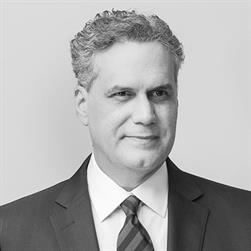
Former Spanish Interior Minister Jorge Fernandez Diaz claimed that Sanchez's concessions to Morocco threaten the national unity and territorial integrity of Spain, arguing that the prime minister's political conduct could constitute a criminal offense under constitutional law.
Writing in a national opinion column published on August 29, 2026, Fernandez Diaz stated that the prime minister's policies regarding Ceuta warrant scrutiny under Article 102 of the Spanish Constitution and Article 582 of the Penal Code.
Constitutional Treason Claims and Legal Framework
Article 102 of the Spanish Constitution sets out the procedure for establishing criminal liability against the prime minister and cabinet ministers, requiring Supreme Court oversight for treason charges. Meanwhile, Article 582 of the Penal Code defines offenses related to favouring an enemy during conflict.
Fernandez Diaz acknowledged that Spain is not engaged in a conventional military war with Morocco, but argued that modern hybrid warfare has largely replaced traditional armed conflict as a means of territorial pressure.
He accused Sanchez of leading a progressive coalition government that maintains power despite losing past elections, relying on parliamentary support from Catalan separatists and the political successors of the former Basque militant group ETA.
Protests Called Ahead of Parliamentary Account
Demonstrations have been scheduled across numerous locations in Spain for Wednesday, September 2, 2026, coinciding with the official holiday of the Autonomous City of Ceuta.
Organizers stated that the nationwide rallies aim to express solidarity with the residents of Ceuta while registering absolute rejection of the current government's border and diplomatic policies.
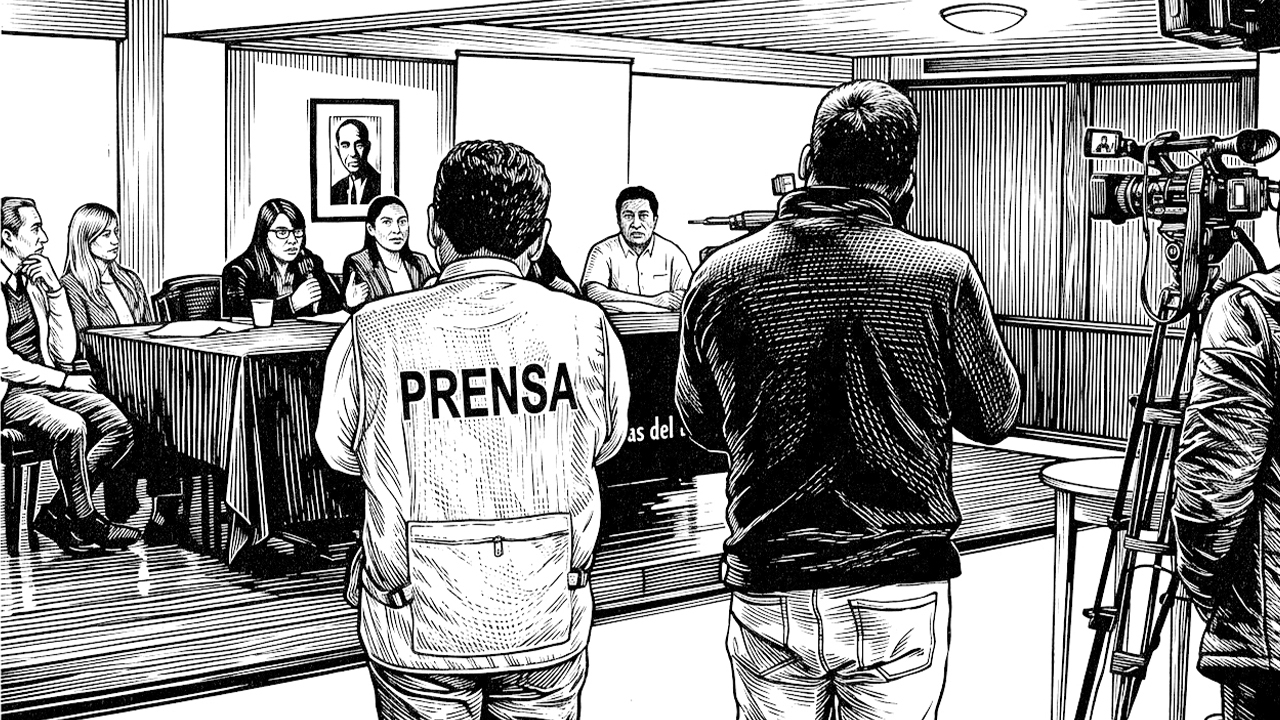
The planned protests will take place on the eve of Sanchez's scheduled appearance before the Spanish Congress of Deputies, where he is set to address lawmakers regarding a major security incident at the border.
Sanchez is due to give an account to parliament 35 days after what Fernandez Diaz described as an invasion through the El Tarajal border crossing, the primary land access point between Ceuta and Morocco.
Western Sahara Precedent and Regional Alliances
Fernandez Diaz highlighted Sanchez's previous foreign policy shift regarding Western Sahara as evidence of an unauthorized diplomatic realignment.
He noted that Sanchez altered Spain's long-standing diplomatic position on Western Sahara through a personal letter sent directly to King Mohammed VI of Morocco, without prior consultation with parliamentary opposition parties or approval from Congress.
According to Fernandez Diaz, Morocco considers both Ceuta and Melilla to be usurped territories and is seeking a virtual handover of the two autonomous Spanish cities on the North African coast.
He argued that Moroccan authorities are capitalizing on strong diplomatic ties with the United States and Israel while Spain remains internationally isolated and sidelined from traditional Western allies under the Sanchez government.
Domestic Controversy and Background Context
Fernandez Diaz also raised broader domestic political controversies, alleging that the prime minister is influenced by Pegasus mobile spyware surveillance and international financier George Soros.
The former interior minister recalled earlier statements by Spanish Transport Minister Oscar Puente, who previously referred to Sanchez in public remarks as the boss of the governing administration.
Fernandez Diaz concluded that the Spanish public will make it clear during the upcoming September 2 demonstrations that national unity will not be compromised without a decisive public response.