


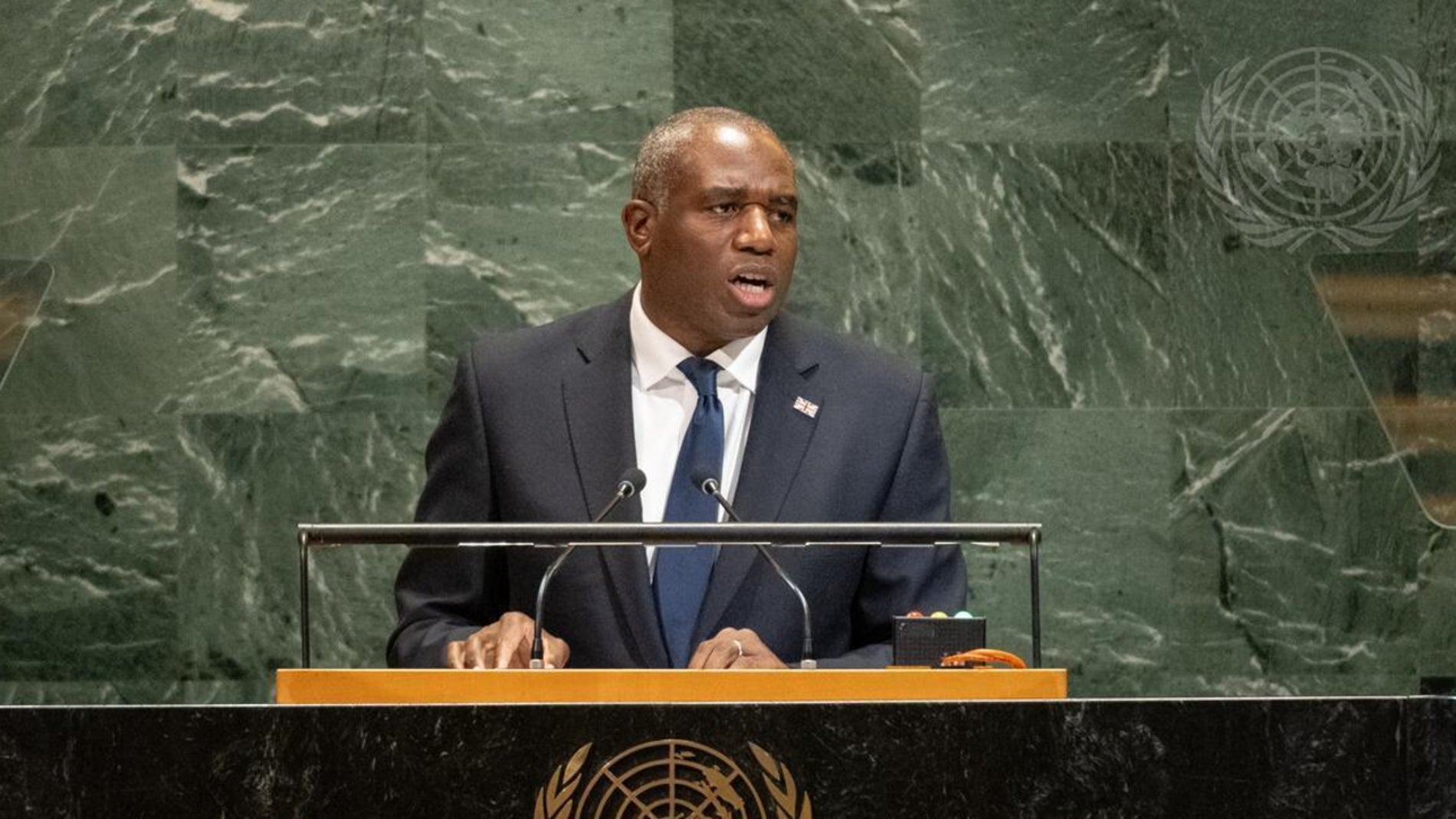
David Lammy, the United Kingdom's deputy prime minister and secretary of state for justice, warned the United Nations Security Council that advances in military artificial intelligence risk creating "completely new chemical and biological weapons" that could become highly accessible to malicious actors.
Lammy made the remarks during an address to the United Nations on September 24, 2025, in which he said the danger was not a matter of speculation but a reflection of how far current AI systems could realistically advance.
Concerns over accessibility
Lammy said much of the risk lies not only in what AI laboratories are achieving, but in what those capabilities could do if they fell into the wrong hands. He told the Security Council that advanced AI capabilities were becoming increasingly accessible to malicious actors, a development he said threatened global security and international stability.
His warning comes amid growing unease among researchers and political figures over the expansion of artificial intelligence into military applications. While companies such as Palantir have pushed further into this field, prominent researchers, including Demis Hassabis, the Nobel Prize in Chemistry laureate and former head of Google DeepMind, have raised alarms about the potential consequences for biological and nuclear threats.

Disinformation and escalation risks
Lammy also addressed the role of artificial intelligence in spreading disinformation. He told the Security Council that the use of AI chatbots to fuel conflict was a major challenge facing societies today, warning of what he described as the risk of unintended escalation.
He pointed to a contrast between the promise of artificial intelligence and its progress on one hand, and the military threats underlying that same technology on the other. While acknowledging the positive potential of AI for peacekeeping missions, Lammy said the approaching arrival of superintelligence made it essential to build safeguard frameworks and reaffirm international law as the basis for responsible use.
Call for resilience
Lammy argued for resilience in facing the period ahead, saying it would be essential to learn how to use these tools and integrate them safely into society. He said that while focusing on technological progress was a natural priority for those working in the field, reviewing and limiting its consequences was a shared responsibility, a theme that ran through his address to the Security Council.


