OpenAI chief executive Sam Altman has rejected smart glasses with integrated cameras, saying he feels uncomfortable talking to people wearing them.
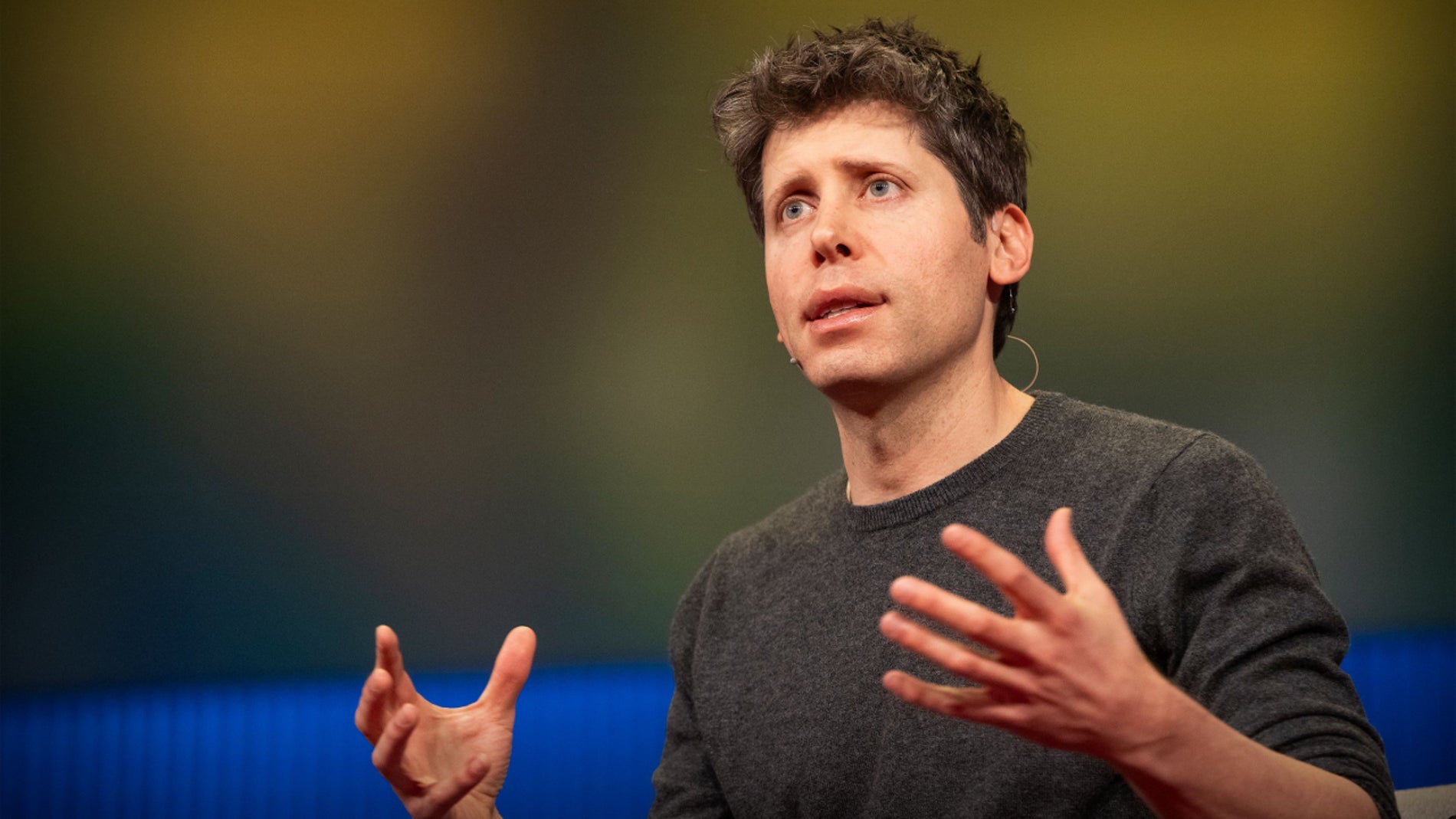
Altman explained his position during an interview with technology journalist Alex Heath. He said he does not feel comfortable conversing with someone who is wearing a camera and a light.
Altman leads the artificial intelligence company behind the popular ChatGPT text generator, which is based in San Francisco. His comments come as the commercial market for wearable smart devices experiences a period of rapid growth.
Meta has become the primary driver of this market through a partnership with the eyewear brand Ray-Ban. Meta, the parent company of Facebook and Instagram, has invested heavily in wearable technology under chief executive Mark Zuckerberg.
Current smart glasses integrate cameras, microphones, speakers and artificial intelligence assistants into conventional frames. The technology allows users to take photographs, record video and respond to messages without taking out a mobile phone.
Privacy concerns and recording lights
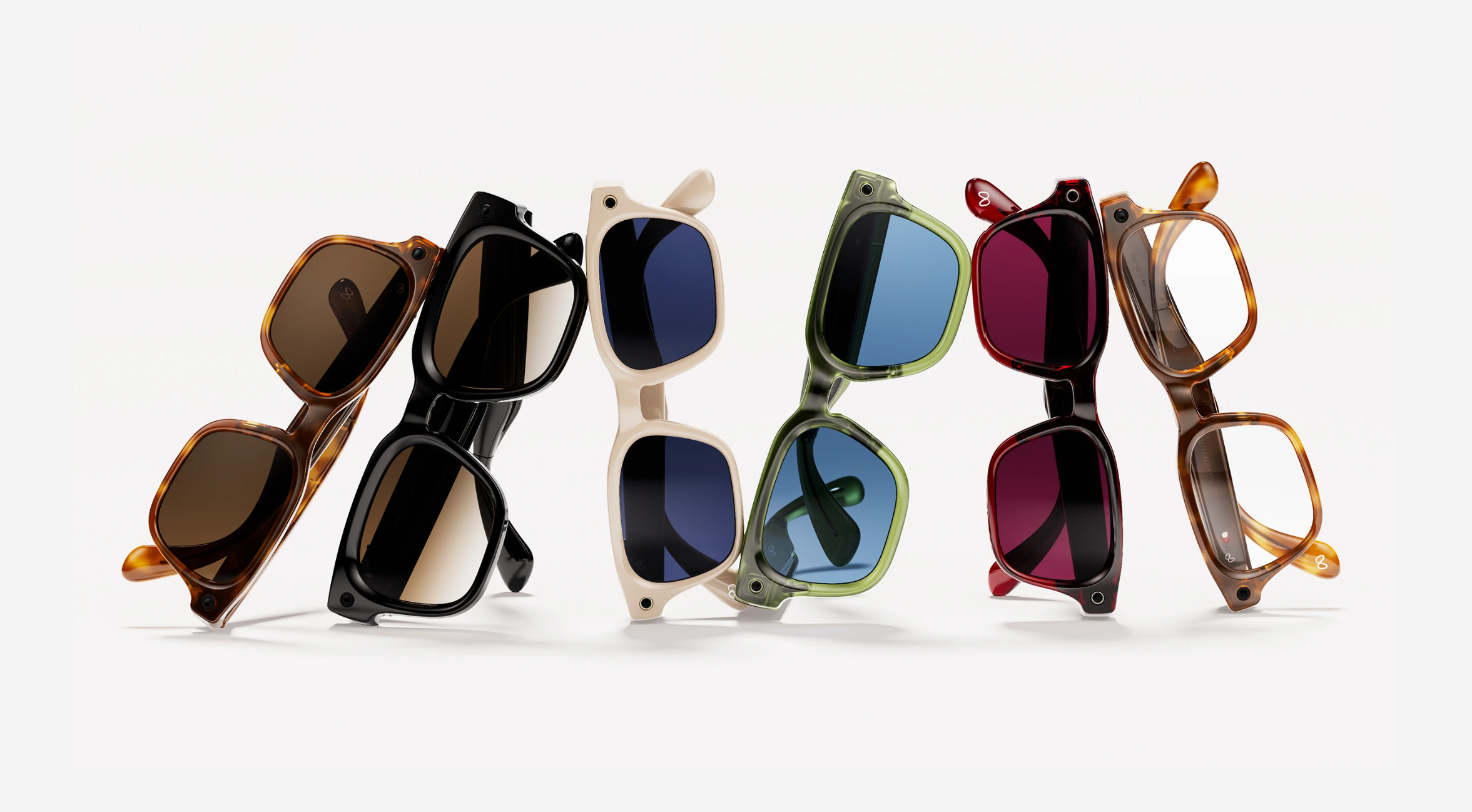
The integrated cameras have raised privacy and legal issues. When users record video from their point of view, people nearby are not always aware they are being filmed. The glasses theoretically feature a small indicator light to warn others when a recording is in progress.
Meta has introduced measures to strengthen the protection on its Ray-Ban models. The company implemented software blocks to stop the camera from functioning when it detects that the recording indicator light has been covered or tampered with. The technology giant has also announced it could take legal action against businesses offering modifications designed to remove the recording warning.
Previous rejections and future projects
The stance from the OpenAI executive is not a sudden shift. During the Allen and Company conference in Sun Valley in 2025, journalists asked Altman whether the white sunglasses he was wearing were smart devices. He replied that they absolutely were not, adding that he did not like that type of product.
The annual Sun Valley gathering brings together leading figures from the technology, media and finance industries in Idaho.
Despite his rejection of smart glasses with cameras, OpenAI is preparing its own artificial intelligence devices. The company is working on hardware alongside Jony Ive, the British designer known for his past work leading product design at Apple.
Surging sales for Meta glasses
The privacy controversies have not slowed commercial growth for the existing devices. EssilorLuxottica, the multinational corporation that owns the Ray-Ban brand, said it sold more than seven million pairs of the artificial intelligence glasses during 2025.
Meta does not release standalone revenue figures for the smart glasses. However, the company maintains that the growth of the eyewear line is offsetting a portion of the lower demand it is experiencing for its Quest virtual reality headsets.