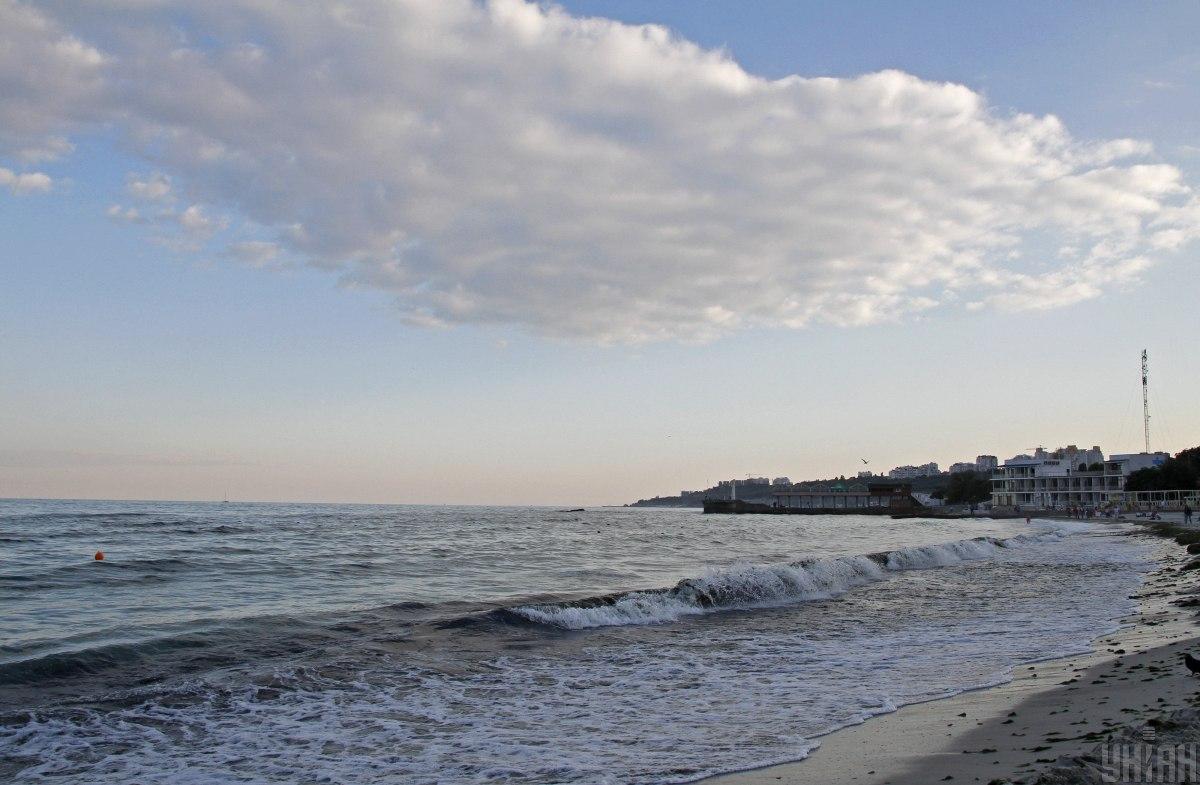
Civilian access and vehicle movement along the Black Sea coast in Ukraine's southern Odesa region have been banned following the conclusion of the summer resort season. The restrictions were enacted through a joint order issued by the head of the Odesa Regional Military Administration and the commander of the Odesa Operational-Tactical Group.
Regional administration officials explained that routine safety monitoring of the seabed and coastal waters for explosive hazards has ended. As a result, previous administrative decisions that officially permitted public access to designated beach areas during the summer months have been revoked.
Odesa, a major port city and regional center on the northwestern coast of the Black Sea, has faced continuous maritime mine hazards and aerial bombardment since Russia launched its full-scale invasion of Ukraine in February 2022. Under martial law, Ukrainian regional military administrations operate alongside armed forces commands to regulate public safety, maritime security, and civil infrastructure along vulnerable shorelines.
The joint order applies across the entire region, prohibiting civilian presence along the Black Sea shoreline, within bays, in internal sea waters near beaches, and across beach territories situated within the coastal protective strip.
Exemptions to the coastal ban are granted only to authorized defense and emergency personnel. These include service members of the Armed Forces of Ukraine, the National Guard of Ukraine, border guards, the Security Service of Ukraine, the State Emergency Service, and emergency medical care workers.
End of Seasonal Underwater Safety Surveys
Explaining the rationale behind the ban, the press service of the Odesa Regional Military Administration told Ukrainian news agency UNIAN that safety conditions changed significantly once the summer health season ended. During the summer months, officially approved beach areas underwent thorough seabed surveys by divers and were kept under constant safety monitoring while visitors were present.
With those seasonal health operations concluded, regular monitoring of both the water area and coastal land has ceased. Administration officials stressed that without continuous inspections, authorities cannot prevent severe consequences if an explosive object drifts close to the shore.
Observation posts on local beaches are no longer operating, and underwater diving inspections have ended. Despite the closure of these safety posts, authorities noted that some citizens have continued to visit beaches, placing their health and lives in direct danger.
Official warnings emphasized that explosive devices do not require physical contact to detonate, as triggering mechanisms vary widely. Furthermore, officials noted that maintaining physical security and monitoring along nearly 300 kilometers of coastline during wartime is impossible.
Risks from Sea Mines and Downed Drones
Regional authorities stressed that previous incidents demonstrate the serious risks facing visitors on the coast. Unintended detonations harm not only individuals who knowingly enter hazardous zones but also bystanders who happen to be nearby, with emergency teams unable to guarantee protection across such an expansive shoreline.
Safety hazards are expected to worsen as autumn weather conditions deteriorate, which typically increases the frequency of naval mines washing ashore. The Black Sea coastline has seen recurring mine incidents since 2022, as floating naval munitions drift toward shore during sea storms.
Officials also highlighted additional threats caused by ongoing military engagements in the region. Drones shot down during defensive combat operations by Ukrainian defense forces frequently fall into the sea, resulting in multiple recorded instances of downed uncrewed aerial vehicles floating in coastal waters.
The military administration urged residents to refrain from visiting all beach areas, including those that were inspected by divers prior to the summer resort season, asking the public to comply with wartime safety measures.
Impact on Coastal Businesses and Summer Rescues
Property owners and commercial lessees operating along popular coastal areas have been formally notified of the new requirements. The warning specifically targets high-density commercial zones such as Arcadia, a well-known Odesa beach quarter featuring numerous restaurants, night clubs, and entertainment venues.
Coastal business owners are required to bring their facilities and operations into full compliance with official safety conditions. Regional representatives noted that while public safety depends heavily on personal responsibility, authorities were obligated to issue a formal warning that regular seabed and water monitoring has ended.
Data from the Odesa Municipal Military Administration revealed that emergency services maintained an intensive presence along the shoreline throughout the 2026 resort season. Rescuers saved 842 people at sea during the season, including 130 children.
Municipal officials noted that local rescue teams performed dual functions during the summer months, assisting swimmers in distress while simultaneously conducting coastal surveys, detecting explosive items, and operating under constant mine danger conditions.