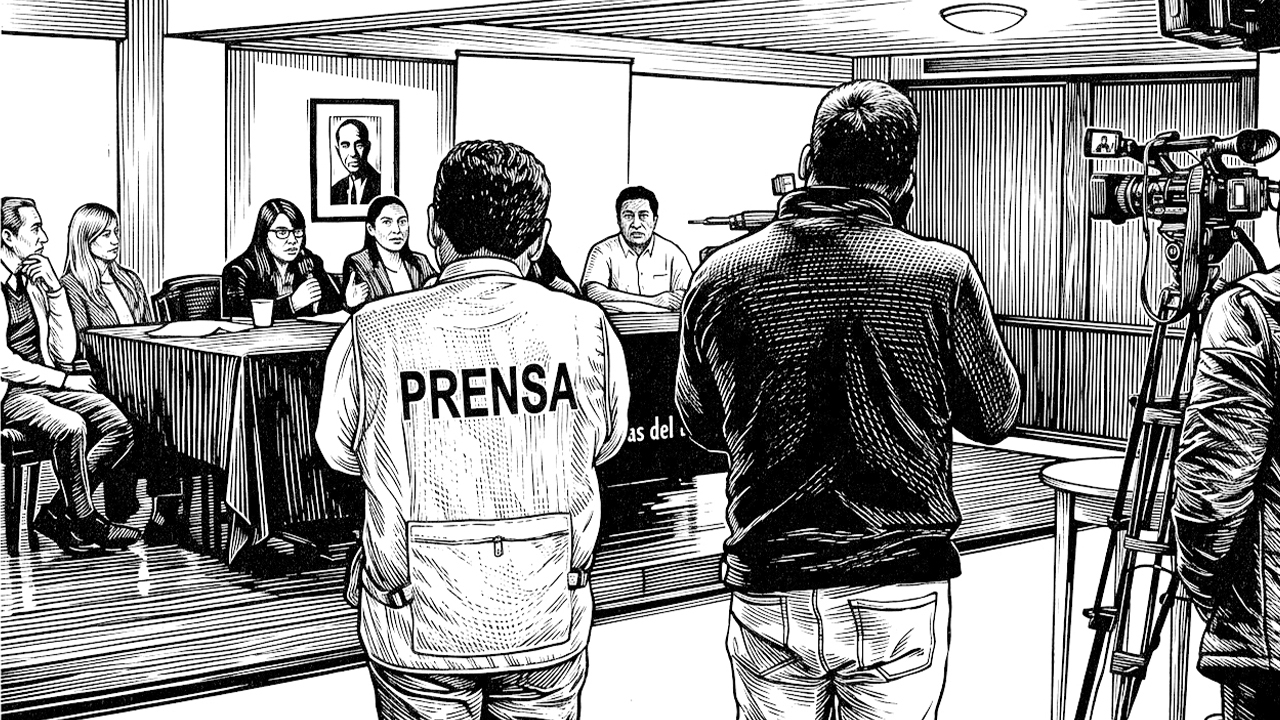
An expert committee from the Organization of American States is visiting Condorcanqui in Peru this week to evaluate the government response to sexual violence against indigenous Awajún girls.
The delegation from the Follow-up Mechanism to the Belém do Pará Convention, known as MESECVI, is examining access to justice and state protection for young victims in the province.
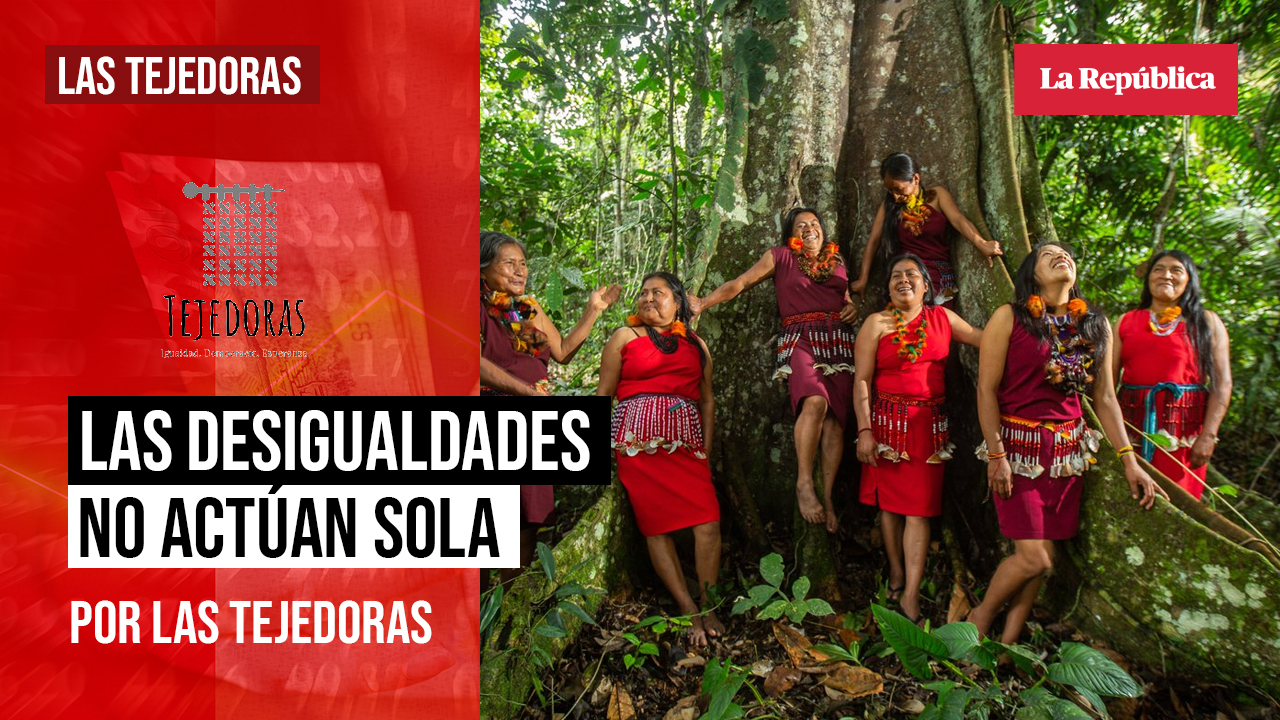
Members of the Peruvian advocacy collective Las Tejedoras said that the presence of the international mission restores national public attention to a crisis that local advocates have reported for more than ten years.
Las Tejedoras is a collective of women from diverse professional backgrounds, political views, territories, and experiences in Peru. The group seeks to foster open dialogue and strengthen democratic institutions against corruption and authoritarianism.
Evaluation of state response in Condorcanqui
The collective stated that while Awajún girls and adolescents endure machista violence, gender bias alone cannot explain why state actions have been so inadequate.
They explained that indigenous identity, racial discrimination, geographic disparities, and unequal access to justice and public services directly compound the harm.
Condorcanqui is an isolated province located in the northern Amazonian region of Peru, near the border with Ecuador, and is the ancestral homeland of the Awajún people. MESECVI serves as an independent body under the Organization of American States monitoring how member states uphold commitments to eradicate violence against women.
Las Tejedoras noted that people do not experience social problems in isolated compartments. They urged officials to recognize how poverty, territorial distance, and racial bias intersect in rural indigenous communities.
Systemic inequality and reproductive rights
The group highlighted a similar pattern in cases where women who access therapeutic abortions end up publicly exposed. A therapeutic abortion is a legal medical termination performed in Peru when a pregnancy threatens a woman's health or life.
While such cases involve gender and reproductive rights, the collective observed that social position determines who can effectively protect their privacy, secure legal counsel, or stand up to powerful actors.
Sofía Carrillo Zegarra, regional coordinator of the Afro-Latin American Journalists Network and a member of the Coordinating Group for the Alliance for Comprehensive Sexuality Education, contributed to the collective analysis.
Regional policy frameworks across Latin America
Las Tejedoras emphasized that the intersection of gender violence with broader social inequalities is an urgent discussion taking place across Latin America and the Caribbean.
They pointed to the recent Regional Conference on Population and Development held in Montevideo, Uruguay, which reviewed progress and remaining obligations under the Montevideo Consensus.
Adopted in 2013 by regional governments, the Montevideo Consensus outlines international standards for population policy, reproductive rights, gender equality, and the rights of indigenous peoples.
The collective concluded that adopting a regional perspective helps governments identify common patterns, learn from effective responses, and align public agendas. Because social inequalities operate together, Las Tejedoras maintained that public policies and civic demands must be designed to address them jointly.