Nvidia shares fell again on Friday, pulling down technology stocks and the Nasdaq and overshadowing milder-than-expected US producer price inflation data that had eased some concerns about a more aggressive Federal Reserve rate increase.
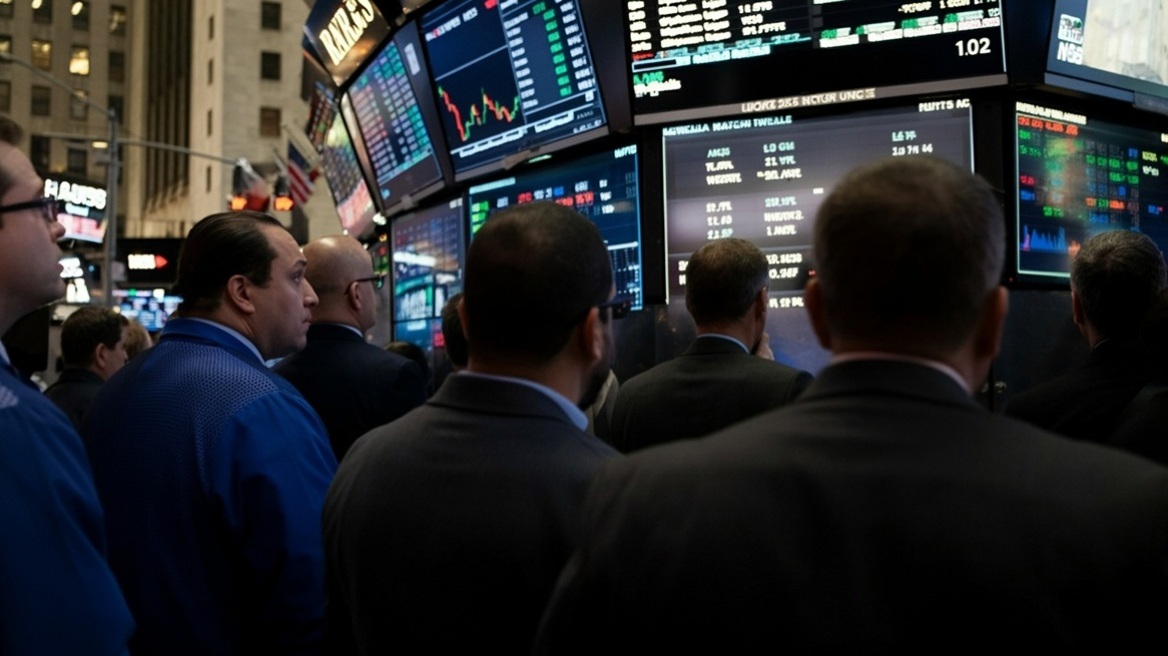
The S&P 500 slipped 0.40% to close at 7,561, and the Nasdaq dropped 0.91% to 25,136 points. The Dow Jones Industrial Average clawed back its losses late in the session to finish up 0.10% at 52,347.
Despite a turbulent week marked by major economic data and an unprecedented leadership crisis at Nvidia, all three indices ended the five-day stretch with gains. The S&P 500 added more than 2%, while the Dow and the Nasdaq each gained roughly 2%, their best weekly performance since August.
Nvidia itself remained a drag on the broader market. Its shares fell more than 2% on Friday alone, pushing the stock's five-day loss past 13%, by far its worst weekly performance since April 2025.
The company's market capitalization shrank by roughly $650 billion on Friday. Since its record highs in early October, Nvidia's market value has fallen by nearly $2 trillion.
Nvidia's Leadership Upheaval
Turmoil at the top of Nvidia, the world's largest maker of chips used in artificial intelligence computing, rattled the wider technology sector throughout the week, with major companies swinging sharply. The Philadelphia Semiconductor Index, which tracks the largest US-listed chipmakers, slid 3.7% as investors kept pulling back from stocks tied to artificial intelligence.
Hesitation among investors to buy the dip reflects growing unease over the valuations and prospects of AI-related companies, concerns sharpened by the fact that Nvidia reports quarterly earnings next week. Brian Jacobsen of Annex Wealth Management said the next real test comes when Nvidia reports its results on 17 November, and that what matters is not who is on stage but whether the order backlog has changed.
Beyond the sudden departure of Jensen Huang, who had led Nvidia since co-founding it in 1993, the company faces mounting regulatory and legal scrutiny, with investigations into whether it circumvented US export restrictions in selling advanced chips to Chinese firms.
The earnings report will also give interim chief executive Colette Kress her first major opportunity to reassure investors about the company's outlook. Kress, who has served for years as Nvidia's chief financial officer, must now manage the fallout from the sudden exit of the only chief executive the company had known in more than 30 years of its history.
Inflation Data Keeps Fed Bets in Focus
Investors also weighed fresh US inflation data for clues on the Fed's next moves. The producer price index, which measures wholesale price changes, posted its largest annual increase in October since 2022, though the rise came in slightly below economists' forecasts, offering markets some relief. Certain subcategories of the index showed milder price pressures, even as the Fed continues to face significant challenges in reining in inflation.
The data led money markets to scale back bets on larger rate increases, though the baseline view held: the Fed is still expected to raise rates by at least 25 basis points in December. Chris Zaccarelli, chief investment officer at Northlight Asset Management, said that although the Fed has a dual mandate of full employment and price stability, it is currently focused solely on the latter, which is why every inflation release draws close scrutiny.
Fears of a more aggressive Fed stoked turbulence in the bond market during the week, driving yields higher. Pressure on government bonds eased noticeably on Friday, though yields held or edged slightly higher. The 10-year Treasury yield climbed to 5.153% and the 30-year rose to 5.477%.
Winners and Losers Beyond Big Tech
Technology stocks bore the brunt of the selling. Nvidia rivals AMD and Broadcom, which had shown resilience in prior days, lost significant ground, as did Cisco Systems and Applied Materials.
Outside the tech sector, crypto-linked companies Coinbase and Robinhood also declined as Bitcoin fell below $70,000, weighing on sentiment toward firms exposed to the cryptocurrency market. Boeing lost ground too, as rising bond yields and concerns over financing costs fed investor unease.
On the other side, Modine Manufacturing surged roughly 29% after reports that Samsung was considering acquiring the US cooling-systems company. Liftoff Mobile rallied close to 30% after its quarterly results beat market expectations, while HawkEye 360 jumped on strong growth in revenue from its international operations. Cerebras Systems also gained after reporting better-than-expected results, raising its revenue guidance and announcing a new deal with Microsoft.
Market snapshot
- Bitcoin (BTC): $60,054.00, down 0.7% over 24 hours
Prices as of 24 Nov 2026, 02:58 UTC. Data: CoinGecko.