Carlos Cuerpo, Spain's First Deputy Prime Minister and Minister of Economy, said that everything the government has built is at risk in the elections, as he took part in the first televised debate of the general election campaign.
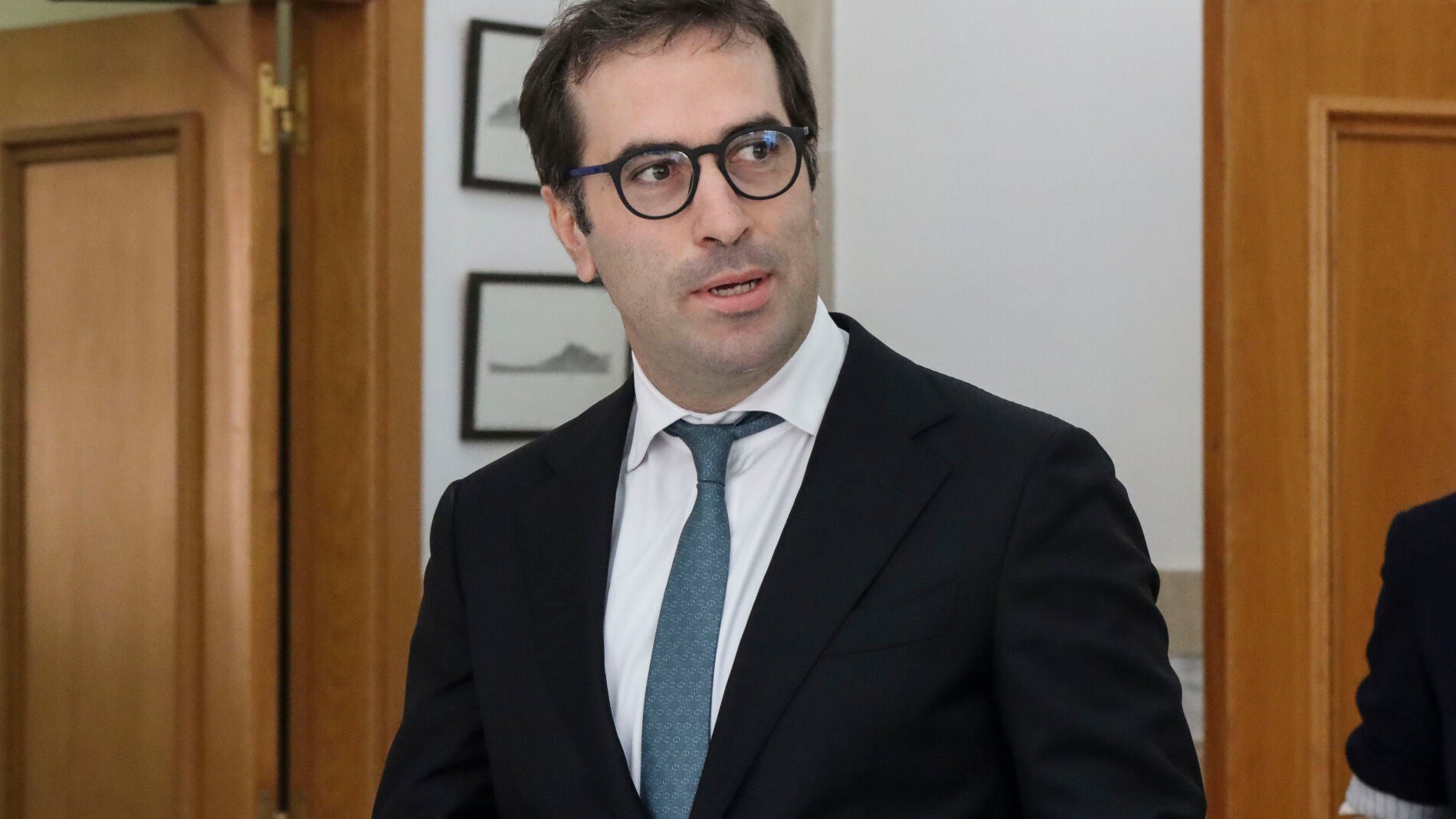
Cuerpo, who represents the Spanish Socialist Workers' Party (PSOE), stayed true to his usual composed style but was incisive at several points. He steered much of the debate toward defending his record as Economy Minister, which he pledged to continue unchanged: growth underpinned by employment, a higher minimum wage, defence of the labour reform, and a stronger welfare state.
Housing proposals
On housing, Cuerpo proposed expanding the public rental housing stock, limiting rent increases and protecting tenants. He said this was the purpose of the government's housing decree, which he said already protects 5.9 million people who have secured rental housing with stability in their contracts.
Rising rents and a shortage of affordable housing have become a central issue in Spanish politics in recent years, making the subject a recurring flashpoint in election campaigns.
Pensions and social spending
Cuerpo also defended maintaining pensions and social benefits at current levels. He said the government does its homework, and that this is why pension payments are guaranteed in both their annual updating and their long-term sustainability.
Rail investment and a proposed pact
On railway infrastructure, the deputy prime minister set out a four-year plan under which 19 billion euros would be invested over the next four years to secure that spending. He also offered a state pact on the issue to the Partido Popular (PP), Spain's main conservative opposition party.
Cuerpo argued that Spain is in a better position than it was seven years ago, saying there are 3.7 million more people in work and that living conditions have improved.
Tax revenue and regional funding
On fiscal policy, Cuerpo defended the government's record on tax collection, saying Spain is seeing record revenue driven by higher income tax receipts, known in Spain as IRPF, because more people are working and the economy is performing well. He added that four out of every 10 euros collected go to Spain's regional governments, known as autonomous communities.
The exchange formed part of the opening debate of the campaign, with Cuerpo positioning the vote as a choice over whether to preserve the economic and social policies his government has pursued in recent years.