The Nido para Angeles Foundation called for an expansion of support services and public resources for individuals living with cerebral palsy and their families during World Cerebral Palsy Day commemorations in Santo Domingo on October 6, warning that existing care infrastructure remains insufficient to cover their lifelong needs.
The Dominican non-profit organization acknowledged recent advancements in care and the backing it has received from various sectors. However, representatives pointed out that many children, adolescents, young people, and adults continue to be excluded from health attention services and social inclusion spaces across the country.
The foundation stressed that families, particularly mothers, carry a disproportionate share of the daily caretaking responsibilities without receiving adequate guidance, official protection, or institutional support. This lack of structural assistance leaves many primary caregivers isolated as they attempt to meet the complex medical and social needs of their relatives.
According to figures released by the international organization World CP Day, more than 50 million people currently live with cerebral palsy around the world. The organization estimates that approximately 350 million parents, mothers, caregivers, and family members are directly affected by the condition, underscoring that cerebral palsy is a broad social reality that requires comprehensive support networks for both individuals and their broader family environment.
Cerebral palsy is a non-progressive neurological disorder caused by brain damage during early development, affecting body movement, muscle tone, posture, and balance. While symptoms vary widely from person to person, many individuals face lifelong challenges in mobility, communication, and self-care, requiring continuous therapeutic interventions and specialized assistive technology.
Global statistics and systemic care gaps
The foundation highlighted severe international disparities in care, particularly in low- and middle-income countries. Global data indicates that more than 80 percent of children with cerebral palsy in these developing regions receive no comprehensive rehabilitation services at all. In addition, more than two-thirds of children living with the condition in these nations lack access to formal education.
This systemic lack of services places an overwhelming care burden on families. In most cases, mothers bear the primary responsibility for long-term care, which severely impacts their personal health, educational opportunities, and socioeconomic development over time.
Monika Despradel, the president of Nido para Angeles, emphasized that protecting the fundamental rights of people living with cerebral palsy requires moving beyond simple public awareness to implementing concrete, enforceable measures that enable their full participation in society.
Despradel outlined key structural improvements necessary to achieve meaningful inclusion. She cited the urgent need for more inclusive educational centers, broader health insurance coverage, guaranteed access to specialized therapies, affordable assistive devices, employment opportunities, and accessible spaces for cultural, athletic, and recreational activities.
Demands for rights and inclusive services
Despradel said that it is time for individuals living with cerebral palsy to have access to jobs, adding that healthcare security must not be treated as a luxury. She also stressed that obtaining essential assistive devices must be made significantly easier for families and individuals.
The foundation president noted that these specialized requirements do not disappear when a person reaches adulthood. Consequently, public policies and institutional responses must accompany individuals through every stage of their lives, providing them with the resources needed to develop their abilities, make independent decisions, and access comprehensive health services.
Despradel added that society must increase the visibility of cerebral palsy and foster open reflection and ongoing support. She stated that fundamental human rights must be guaranteed for all individuals with the condition without losing any more time.
As part of the annual commemoration, the Nido para Angeles Foundation and the Dulce Milagro Special Education School jointly presented a new national institutional campaign titled Right to Be, Freedom to Move, Opportunity to Decide. The campaign urges policymakers and the public to ensure that social inclusion translates into real, practical opportunities, emphasizing that the time for change is now.
Institutional video and campaign launch
During the commemorative event, the foundation also premiered its 2026 institutional video. The piece features six children and young adults living with cerebral palsy, who served as hosts for the gathering while sharing their personal achievements, personal goals, and future dreams with the audience.
Organizers explained that these individual stories demonstrate the extensive developmental possibilities that open up when individuals receive appropriate treatment programs, adaptive tools, and opportunities for social engagement.
The audiovisual production was created by Filmina Cinema under the direction of filmmaker and audiovisual director Jan "Babeto" Rodriguez. The project was based on a creative concept conceived by Jose Antonio Rodriguez, a well-known singer-songwriter who is also the founder of Nido para Angeles.
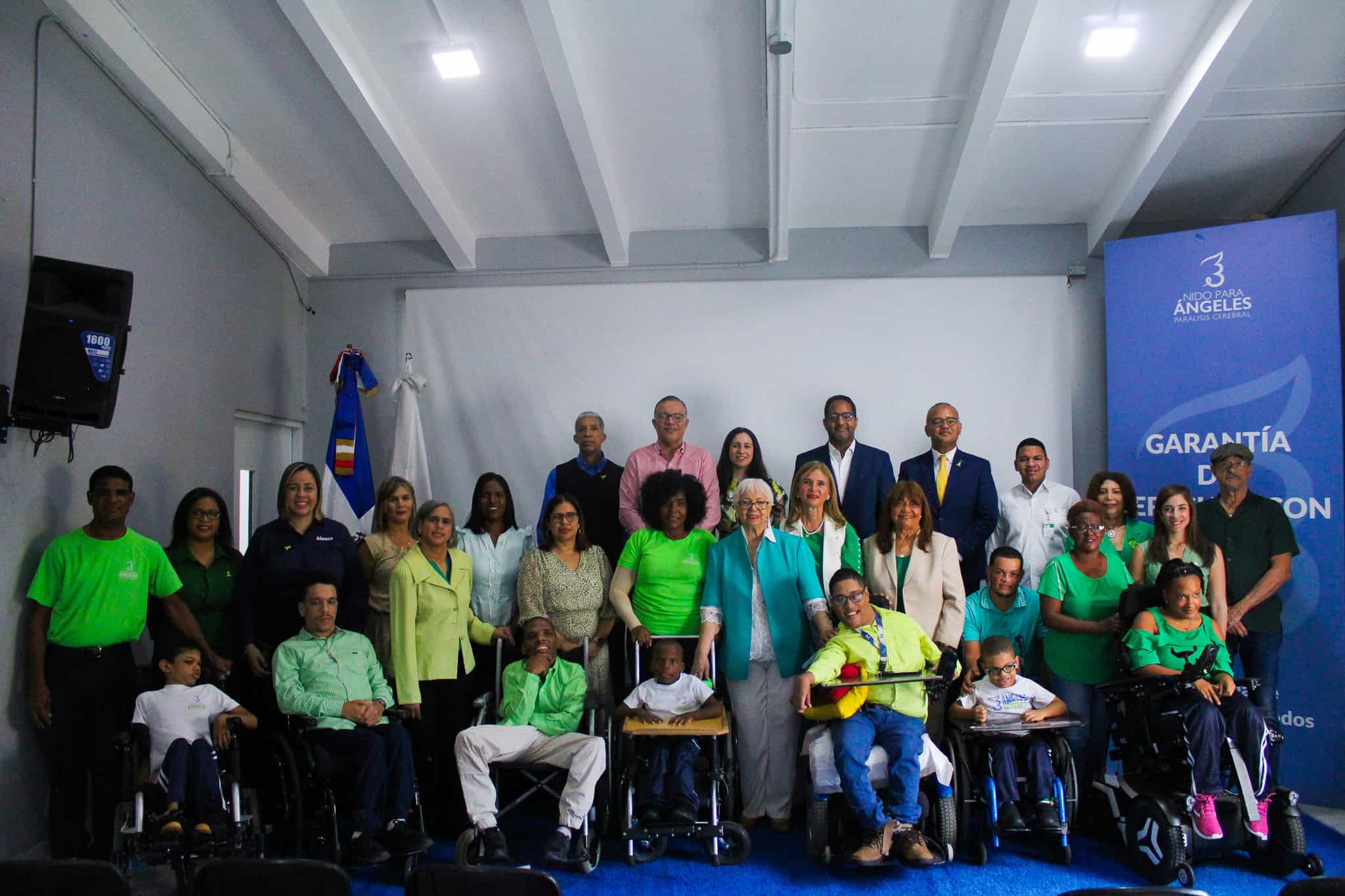
Nido para Angeles was established in Santo Domingo, the capital of the Dominican Republic, as a specialized center dedicated to facilitating comprehensive rehabilitation, special education, and social integration for individuals with cerebral palsy, while offering guidance and emotional support to their families.
Program expansion and upcoming October events
Despradel reported that the foundation is currently working to strengthen its early intervention program. She stated that this specialized early care initiative has already yielded highly positive results for young children receiving care at the facility.
To address the growing needs of older beneficiaries, the organization is planning to launch a new adult life preparation program. This project aims to extend the upper age limit of the comprehensive care services offered by the institution from 18 to 21 years old, helping young adults transition more smoothly into adulthood.
The organization is also focusing on strengthening its internal governance and long-term sustainability to guarantee that its therapeutic, educational, and medical services can continue without interruption in the future.
The foundation announced a schedule of public activities scheduled throughout October, which is recognized internationally as Cerebral Palsy Month. The programming aims to promote community engagement, foster social inclusion, and support the foundation's operating budget.
On October 18, Nido para Angeles will hold its annual event titled Angels on Wheels at Parque Iberoamericano in Santo Domingo. The gathering is designed as an experiential awareness event to bring local residents closer to the realities of living with cerebral palsy while helping raise funds for the foundation's ongoing operations.
On October 30, physical therapist Alba Guerrero, who specializes in neurodevelopment, will lead an educational workshop titled Neuroscience of Touch: The Language of the Skin. The event will take place at the Nido para Angeles Foundation headquarters from 1:00 p.m. to 4:00 p.m., offering specialized insights into tactile stimulation and physical therapy methods.