


Mosquitoes track human targets by following carbon dioxide from breath and skin odors, combined with heat, humidity, and visual signals at closer range. Carbon dioxide helps initiate the search from a distance, while skin compounds, temperature, and sight guide the insect as it approaches, with no single signal deciding the outcome on its own.
During summer, when mosquitoes become a major nuisance, two people sharing a terrace can experience vastly different results, leaving one covered in bites while the other barely notices any. These situations often prompt popular explanations involving sweet blood, perfume, or blood type, but biological research points to a multi-step process where insects combine several bodily cues at different distances before landing. Air currents, clothing choices, and the time of day alter these search conditions, although no factor renders a person completely invisible to the insects.
Visual comparisons based on skin reactions are frequently misleading because a person who experiences stronger swelling may believe they received all the bites, even if another person received bites without showing obvious marks. Consequently, counting skin welts fails to measure overall insect attraction accurately. Studying attraction preferences requires controlled testing that separates emitted bodily scents from the subsequent intensity of individual skin responses.
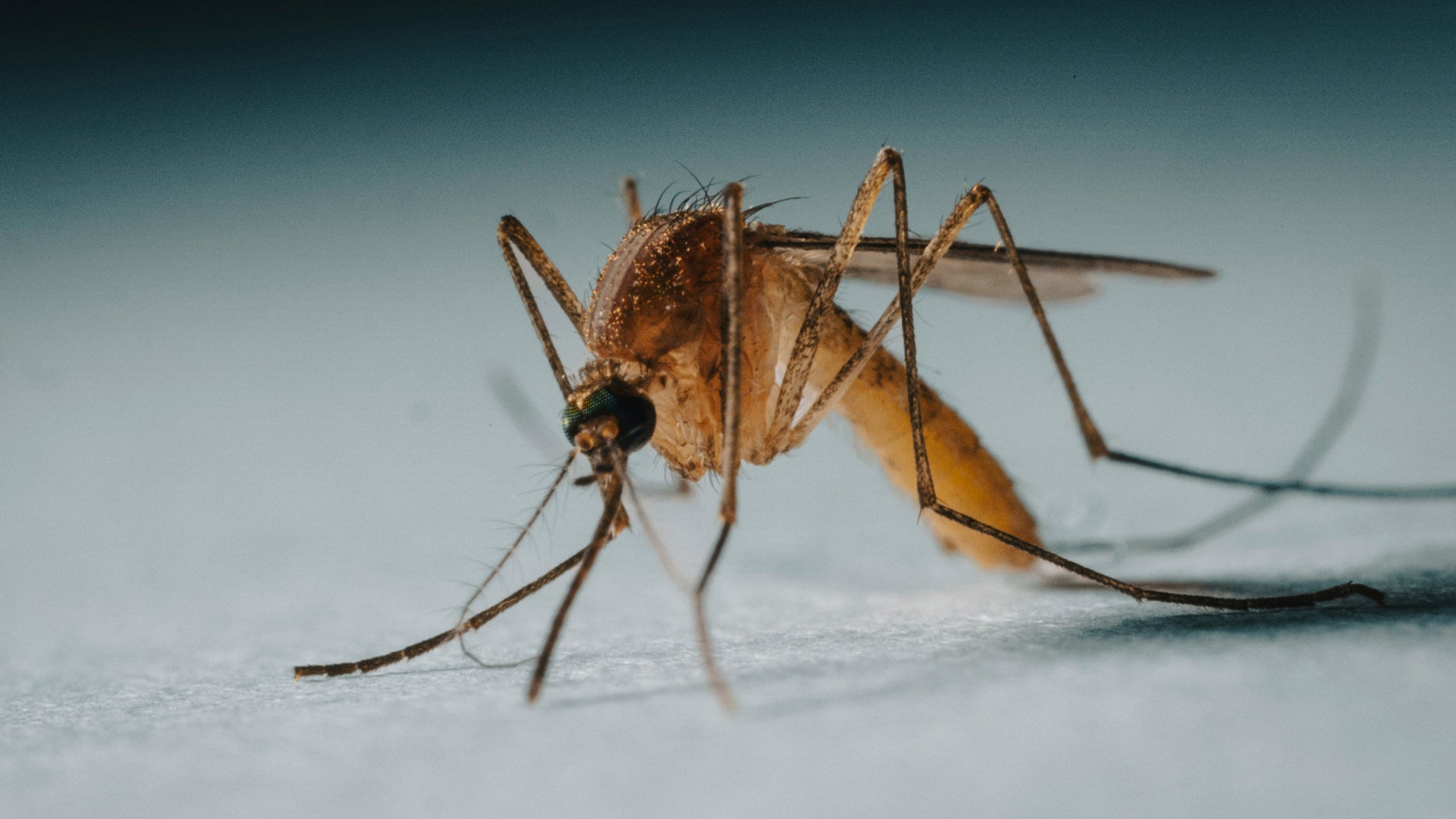
Sensory cues and species behavior
Mosquito antennas detect carbon dioxide from human breath while palps participate in perceiving odors, according to descriptions from the Centers for Disease Control and Prevention. Visual signals and body temperature complete the sensory information as the insect approaches, with moving air carrying both chemical and physical trails over varying distances.
In a video produced by WIRED, entomologist Jessica Ware explained at minute 10:42 that mosquitoes typically pick up carbon dioxide or lactic acids. Ware noted that while this summarizes part of the olfactory system, target selection does not reduce to just two chemical substances, as heat and vision remain active components. Furthermore, scientific research regarding smell and DEET demonstrates that different sensory signals trigger distinct insect behaviors.
Only female mosquitoes bite humans to obtain the blood required for egg production, whereas both male and female mosquitoes consume plant nectar. This distinction explains why locating a human is part of a specific reproductive behavior rather than general daily feeding. Because behavior changes depending on species and sex, observations made on Aedes aegypti cannot be transferred without reservation to every existing mosquito species.
Skin chemicals and prevention measures
A study published in the journal Cell compared the attractiveness of human odors for Aedes aegypti and identified an association between higher attraction and elevated levels of carboxylic acids in skin emanations. This scent preference remained stable among participants over several years. However, the study observed a stable association without proving that an isolated compound causes attraction by itself, nor does the evidence support attributing attraction strictly to blood group. The role of odor acids has also been investigated through other olfactory receptors.
Observed scent stability does not mean an individual is destined to receive the same number of bites every night. Variables including physical activity, clothing, the local insect population, and skin access change from night to night, showing that preference is not an inevitable fate. An individual cause cannot be deduced from a single trip to the countryside or from who wakes up with the most welts.
Body odor fluctuates based on physical exertion, skin microbiota, applied products, and other factors, while each species responds to different cues, causing household rules to fail between people or nights. Prevention does not depend on guessing skin odor, as mosquito nets, eliminating standing water, and using authorized repellents according to instructions provide a reliable foundation. Additionally, the Organization of Consumers and Users warned that not all commercial mosquito repellents are effective.



