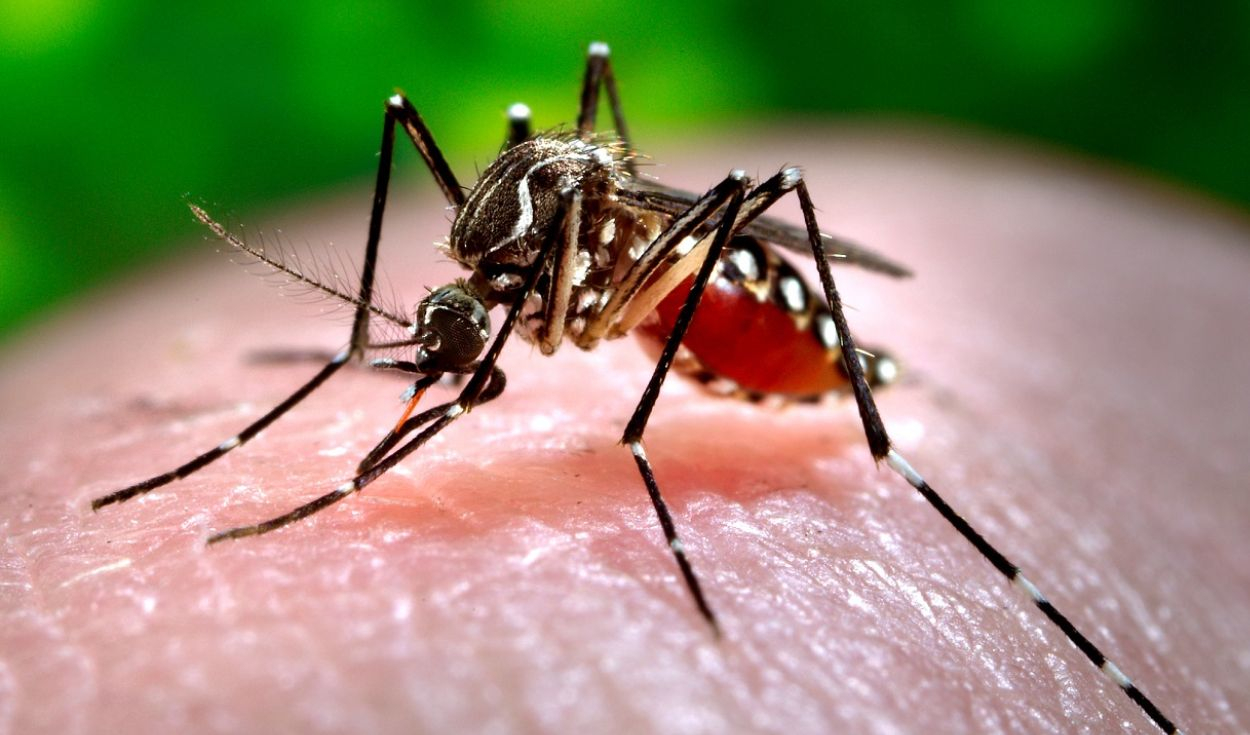
Aedes aegypti mosquitoes are showing early signs of resistance to alpha-cypermethrin, a widely used pyrethroid insecticide, according to a study published in the journal Frontiers in Tropical Diseases.
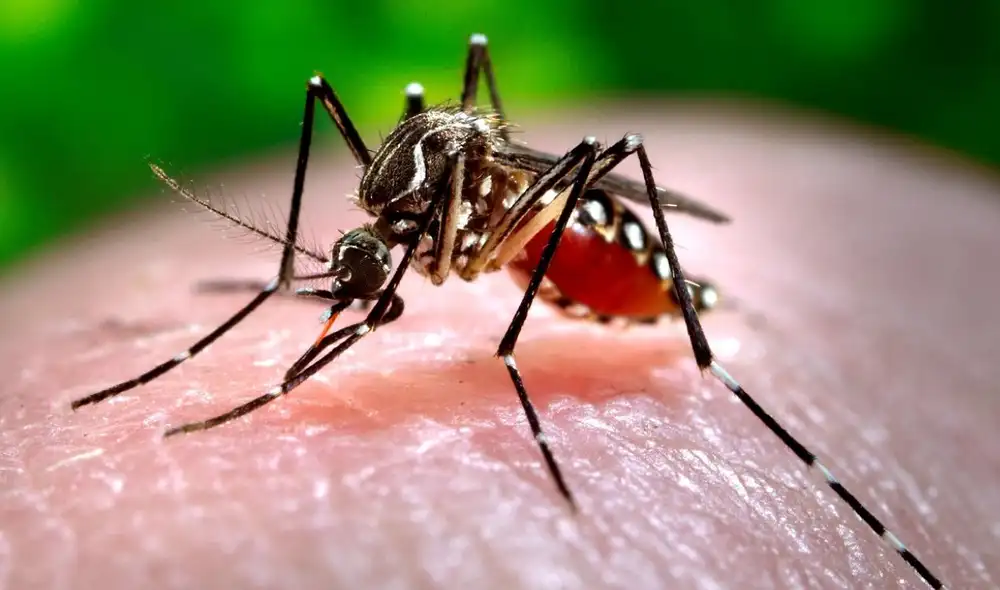
Although the phenomenon is not yet widespread, researchers consider the finding a warning signal. Zoologist Rohit Lakhwani, a co-author of the research, said there is evidence that mosquitoes are developing resistance to insecticides. He explained that mortality among exposed specimens reached 97.91 percent, which specialists interpret as an early indication of resistance.
Biochemical survival mechanisms
The research team analyzed the biochemical changes in insects upon contact with alpha-cypermethrin. They found that an enzyme called beta-esterase increases its activity by up to 21 times, neutralizing part of the chemical compound before it takes effect. The scientists also identified the involvement of the CYP450 protein, which is linked to detoxification processes.
Dr. Sarita Kumar, lead co-author and researcher in the Department of Zoology at the University of Delhi, said understanding the biological mechanisms that allow mosquitoes to survive while resistance is still in its early stages is advantageous. She stated that early detection gives public health authorities time to implement measures to delay the loss of insecticide effectiveness.
Strategies for mosquito control
The researchers emphasized that the findings reflect a laboratory population and that resistance is not currently generalized. Kumar noted that it is not yet possible to predict when resistance might reach a level that renders alpha-cypermethrin useless.
Kumar added that this form of biochemical resistance can be reversed if the product is no longer used, providing insight that could guide future mosquito control strategies.