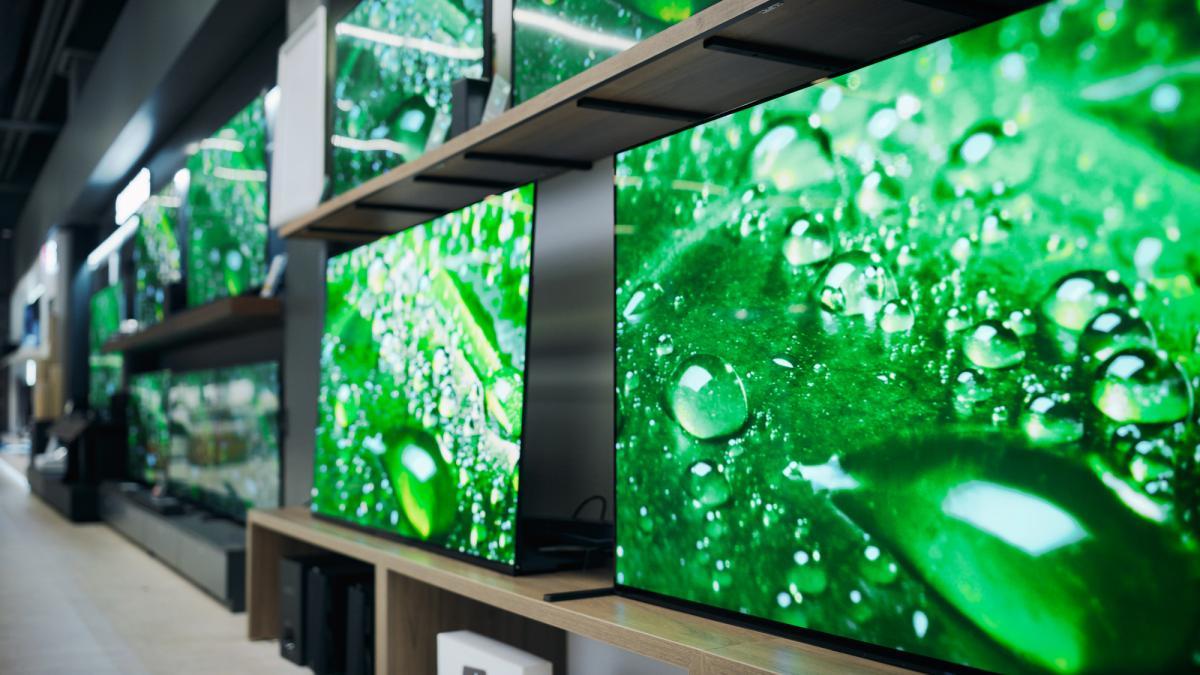
Television buyers choosing between OLED and Mini-LED display technologies must weigh image quality against long-term screen durability, according to technology news website BGR.
Mini-LED televisions carry an estimated operational rating of at least 100,000 hours, giving the technology a theoretical edge on paper over organic light-emitting diode (OLED) screens, which are typically rated for 50,000 to 100,000 hours, equivalent to five to 10 years of service.
BGR reported that the exact lifespan of an OLED panel depends on how frequently the television is used, the nature of the content displayed, and the environmental conditions of the operating space.
OLED technology features self-emitting pixels that light up individually without needing a traditional backlight. This pixel-level control enables OLED displays to achieve perfect black levels, high contrast ratios, and precise color accuracy, making OLED the preferred option for viewing movies and television broadcasts.
However, organic light-emitting diodes gradually wear down over time. Prolonged display of static elements can trigger permanent image retention, commonly known as screen burn-in, leaving permanent visible outlines of static elements on the panel.
Mini-LED design and screen degradation
Mini-LED technology addresses burn-in risks by utilizing light-emitting diode backlighting divided into numerous small dimming zones behind the panel. Because of this structure, static images are virtually impossible to imprint permanently on the screen.
While Mini-LED panels avoid traditional burn-in, they are not entirely immune to aging. Over extended periods, Mini-LED display characteristics can deteriorate, which may cause minor color shifts across the panel.
Rtings stress testing results
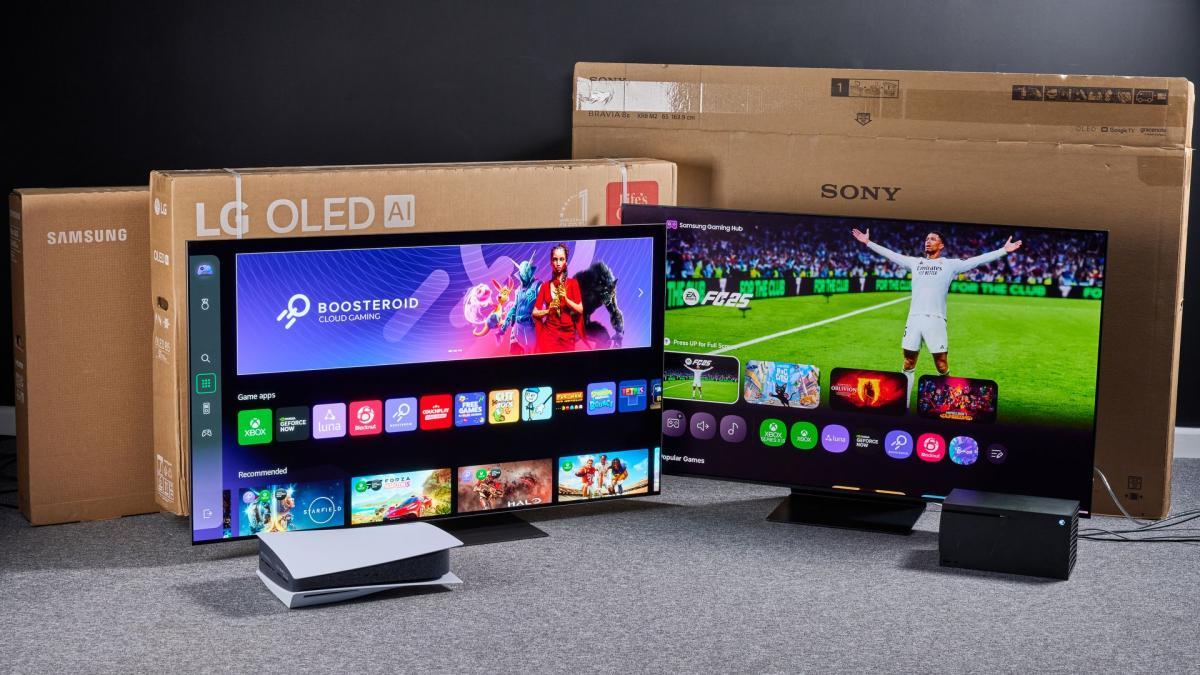
Practical insights into display longevity have emerged from long-term stress tests conducted by testing organization Rtings. Testing experts evaluated hundreds of television models over more than two years to examine how different panels handle extreme usage conditions.
During the Rtings experiments, most OLED models showed visible signs of image burn-in when operated continuously at maximum brightness settings.
However, experts emphasized that the testing environment subjected screens to far higher stress than standard household use, where viewers rarely run displays at full brightness continuously. Under normal conditions, OLED models can function for many years, with only a small fraction of tested televisions experiencing complete operational failure during the trials.
Unpredictable pixel failures and consumer choice
Both Mini-LED and OLED displays share a common structural issue that cannot be predicted in advance: damaged pixels. Pixel defects can develop at any point in a television lifespan, resulting in pixels that either turn completely black or remain stuck displaying a single color.
For buyers who prioritize peak picture quality, deep black tones, and exact color reproduction, OLED remains the recommended option. Mini-LED is better suited for users seeking to minimize the risk of static image marks and maximize potential screen life.
In separate evaluations, experts identified an affordable Samsung OLED television that performs nearly on par with significantly more expensive models, providing a practical entry option for consumers switching to OLED displays.