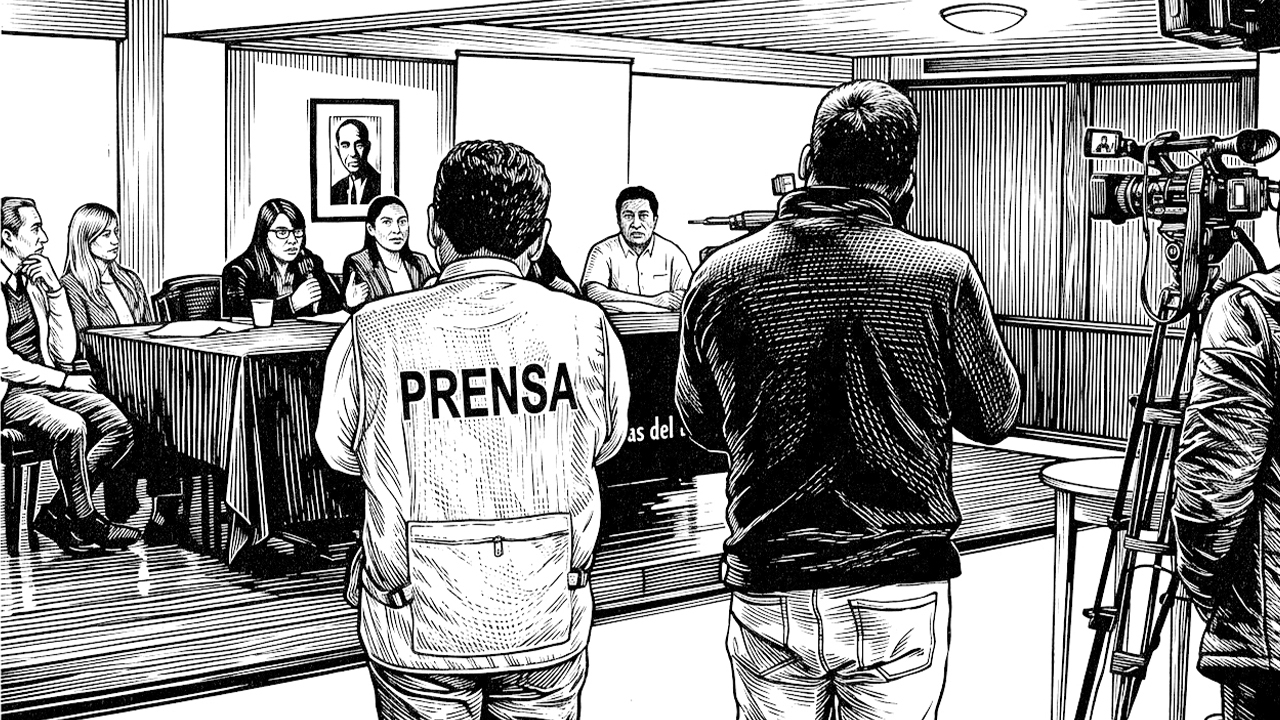
Spanish Defence Minister Margarita Robles and Interior Minister Fernando Grande-Marlaska have entered an escalating political clash over intelligence failures following the recent border crisis in Ceuta.
One month after thousands of migrants breached the border in the Spanish North African enclave, senior cabinet ministers remain sharply divided over whether security services had prior warning of the events and who should be held accountable.
Robles defended the performance of Spanish intelligence services, maintaining that officials had received advance warning of potential movements near the border. However, Marlaska and Minister of the Presidency Félix Bolaños insisted that no available intelligence allowed authorities to anticipate the ultimate magnitude of the border surge.
The internal row has drawn widespread attention in Madrid due to the long-standing professional and personal ties between the two cabinet ministers. Both Robles and Marlaska are career judges who built prominent legal reputations prior to entering government. Robles previously served as a magistrate on the Supreme Court, Spain's highest judicial authority for non-constitutional matters. Marlaska served as a judge at the Audiencia Nacional, a high-level national court in Madrid responsible for complex national security and terrorism cases.
Before their political appointments, the two ministers maintained a close personal friendship that included hosting shared dinners at their homes alongside family members and mutual friends, a relationship both figures had previously disclosed in public statements.
Intelligence warnings and political responsibility
The rift highlights serious questions regarding official oversight and operational intelligence handling within Moncloa Palace, the official headquarters of the Spanish Prime Minister. Analysis of the situation indicates that if intelligence networks operating in Morocco failed to detect preparations that were being openly organized on social media platforms, it represents a major failure of capability and incompetence that the Defence Ministry cannot concede.
On the other hand, if intelligence reports detailing the threat were generated but subsequently ignored or unacted upon by interior officials, it points to administrative neglect. Acknowledging such an omission would directly expose Marlaska and Prime Minister Pedro Sánchez to severe political fallout.
The bitter dynamic echoes classical philosophical commentary on conflict and truth. Ancient Greek philosopher Heraclitus of Ephesus, known as The Diviner for his oracular philosophy, stated that without colliding forces there is no movement and no reality. Similarly, twentieth-century philosopher and linguist Ludwig Wittgenstein wrote that for anyone who knows too much, it becomes difficult not to lie.
Border violence and social explosion in Ceuta
On the ground in Ceuta, an autonomous Spanish city located on the northern coast of Africa bordering Morocco, conditions have continued to deteriorate since the initial border breach. Authorities report that the social climate in the city is on the brink of an explosion, with local police recently targeted in ambushes that suggest organized Moroccan rioters may have been among those who stormed the border security perimeter.
The local security crisis is unfolding against broader national economic strain in Spain, where annual consumer price inflation has reached 4.3 per cent, placing significant pressure on household finances across the country.
In response to the deteriorating situation, the Spanish government requested assistance from the main opposition party, the centre-right Partido Popular, to help restore public order and stem the violence in the enclave. However, Prime Minister Sánchez simultaneously launched sharp political attacks against opposition leadership.
Sánchez accused the Partido Popular, former Prime Minister José María Aznar, and the far-right Vox party of generating an atmosphere of hatred in Ceuta. The dual approach has further polarized the parliamentary response as political parties maneuver over responsibility for the crisis.