Spanish commentator José Antonio Vera has criticized Prime Minister Pedro Sánchez over his handling of the growing border and migration crisis in the enclave of Ceuta, accusing the government of passivity and delayed responses.
Writing in an opinion piece published on August 29, 2026, Vera argued that the Spanish administration waited a month to address worsening conditions in the North African territory, relying on temporary fixes rather than decisive leadership.
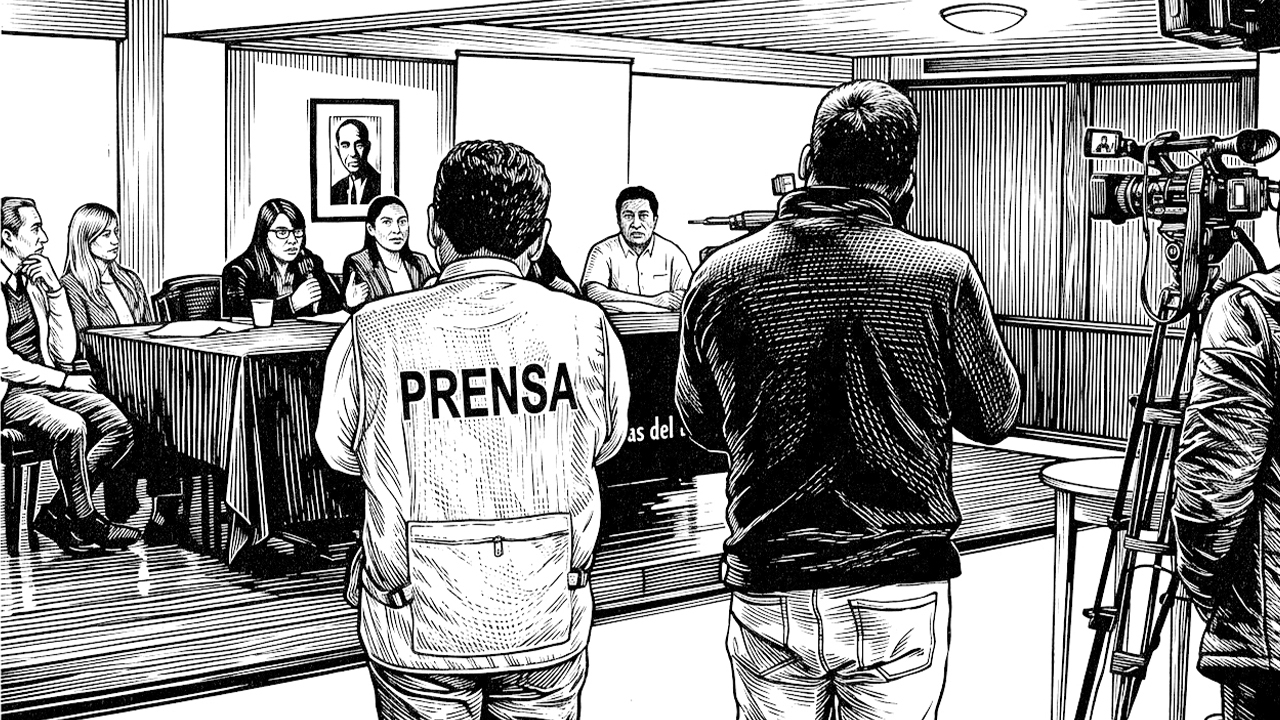
The critique comes amid mounting tension in Ceuta, a Spanish autonomous city situated on the North African coast bordering Morocco, where local residents report increasing insecurity and an unconfirmed influx of thousands of migrants.
Vacation dispute and government delay
Vera asserted that official inaction occurred because Sánchez took a vacation, which Vera described as incompatible with managing the crisis. While Minister of the Presidency Félix Bolaños claimed that Sánchez worked 24 hours a day during his break, Vera disputed this account.
Vera alleged that the prime minister spent part of his holiday diving, cycling, swimming, walking through gardens, sharing music recommendations, and posting videos on TikTok instead of taking control of the situation.
Vera also criticized several cabinet members sent to the region, stating that Economy Minister Carlos Cuerpo had presented an invisible plan, while Interior Minister Fernando Grande-Marlaska had acted at a turtle's pace.
According to Vera, official estimates of illegal migrants in Ceuta remain unconfirmed, ranging between 9,000 and 15,000 people. He noted that migrants previously cleared from local beaches had returned to erect informal shacks.
Vera added that authorities have provided no updates concerning victimized girls who were scheduled for transfer to the Spanish mainland after suffering sexual violence.
Security forces face rising tension
Vera reported that military personnel deployed to Ceuta were prohibited from using deterrent equipment, leaving soldiers vulnerable to attack. He stated that troops were forced to retreat during a recent confrontation after being targeted by individuals armed with stones and sticks.
Concerns over public safety were echoed by local resident Juan Ruiz, who stated that street tension had led residents to carry pepper spray, describing the practice as abnormal for a Spanish city.
Vera rejected explanations from the Prime Minister's office attributing the turmoil to far-right ultra groups attacking migrants with iron bars. Vera argued instead that organized agitators, potentially backed by foreign secret services, were operating among incoming migrant groups.
Vera emphasized that residents of Ceuta, who pay local taxes and have lived peacefully alongside Christian, Muslim, and Jewish cultural traditions for centuries, were expressing anger over administrative failure rather than racism.
Political blame and historical precedent
Vera criticized government attempts to place blame for current diplomatic difficulties on former Prime Minister José María Aznar. Aznar, who led Spain from 1996 to 2004, took a firm stance against Morocco during the 2002 Perejil Island standoff, a small uninhabited islet near Ceuta occupied briefly by Moroccan forces.
Vera stated that Aznar restored legality by showing Rabat that Spain would not accept fait accompli actions, forcing Morocco to accept the status quo. Vera contrasted Aznar's firmness with what he described as Sánchez's passivity.
Vera also cited statements by former Defense Minister Federico Trillo alleging that Moroccan secret services and an allied agency were involved in the March 11, 2004 Madrid train bombings, known as 11-M.
While agreeing with the government that aggressive verbal escalation against Morocco should be avoided, Vera urged Spanish diplomats to combine negotiation with firm policy, stating that human trafficking mafias were not sole organizers of the influx.
Demands for military and NATO action
Vera argued that resolving the crisis requires returning illegal entrants to Morocco, though Vera expressed skepticism that such returns would take place. Vera warned that without deportations, local anarchy would worsen and could trigger social unrest.
Vera stated that visits by officials, including public health coordinator Fernando Simón, provided no practical benefit to the enclave. Vera called for exceptional measures rather than unified commands lacking actual authority.
Proposed measures outlined by Vera include allowing deployed military units to defend themselves, establishing genuinely reinforced border controls, and equipping police and Civil Guard officers with adequate operational tools.
Vera concluded that Spain must mobilize both the European Union and NATO to deter Rabat, despite Moroccan King Mohammed VI maintaining close relations with international figures including Israeli Prime Minister Benjamin Netanyahu and former US President Donald Trump.