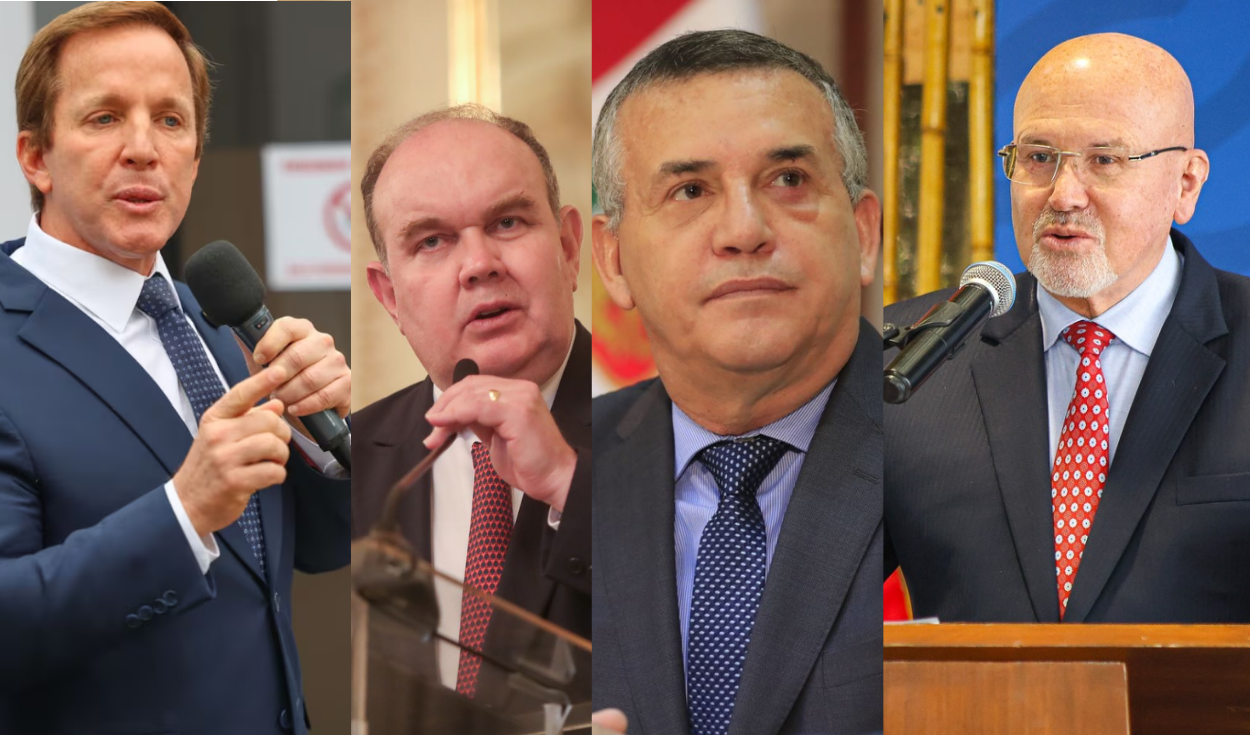
The Special Electoral Jury of Central Lima has rejected candidate challenges against four leading contenders for the mayoralty of Lima in Peru.
The decision clears Rafael López Aliaga of Renovación Popular, Francis Allison of Avanza País, Carlos Bruce of Somos Perú and Daniel Urresti of Podemos Perú to remain in the race.
All four political figures are competing to lead the capital city in the upcoming Regional and Municipal Elections scheduled for Sunday, October 4.
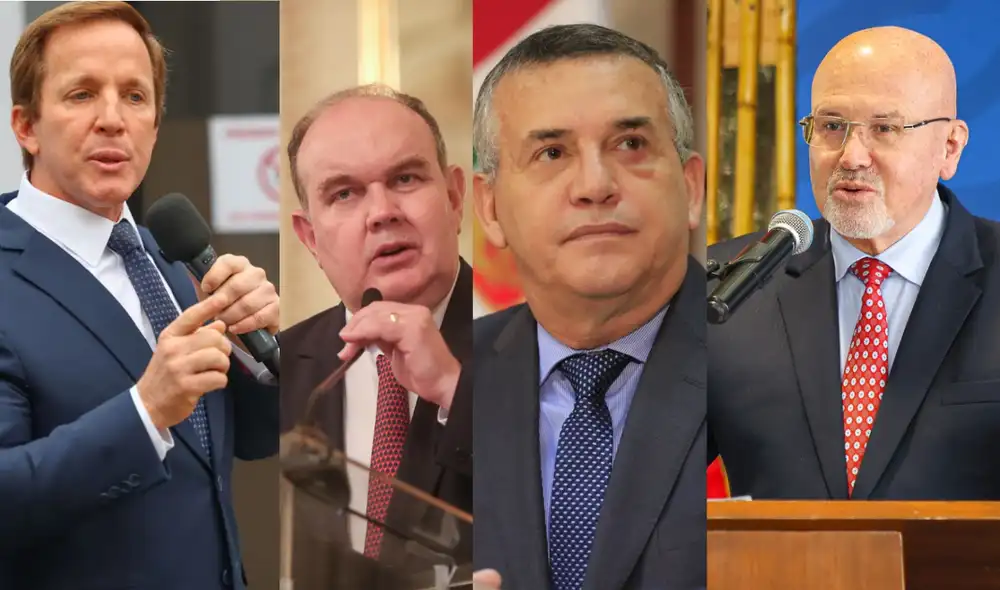
Electoral authorities dismissed the objections against López Aliaga and Allison because the filings were submitted after the legal deadline had passed.
In the case of Urresti, the electoral body noted that the Constitutional Court of Peru previously annulled a prison sentence against him, removing any legal impediment to his candidacy.
The challenge against Bruce was initially dismissed by the local jury, but an appeal will be heard by the full board of the National Jury of Elections on August 18.
Electoral Jury Rules on Candidate Resume Filings
The Special Electoral Jury of Central Lima, known locally as the JEE, issued its ruling regarding Carlos Bruce on August 1 after a citizen challenged his registration.
The challenger claimed that candidates for the Somos Perú party completed their sworn declarations of resume before the formal signing of the party's formation and designation acts.
According to the challenge, filling out the documents in advance demonstrated prior collusion and breached the internal democracy rules established in the party statute.
Bruce is a veteran Peruvian politician and former housing minister who is running for mayor of Lima under the Somos Perú banner.
The electoral body rejected the challenger's argument, declaring that completing the resume forms prior to signing the official party acts does not violate internal democracy principles.
Electoral regulations do not require candidate resume forms to be filled out at the same time as or after official party acts are signed, according to the resolution.
The authority also confirmed that Somos Perú complied with electoral rules limiting designated candidates to a maximum of 30 percent of the party list.
Following the dismissal of the challenge, the citizen filed an appeal against the local jury decision.
The full board of the National Jury of Elections, Peru's highest electoral body, will resolve the appeal on Tuesday, August 18, at 3:30 p.m.
Former Minister Cleared of Disqualification Claims
A separate challenge against former interior minister Daniel Urresti was filed by a female citizen on July 30, citing three distinct legal arguments.
Urresti, a retired army officer who previously served as minister of the interior, is running for mayor of Lima as the candidate for the Podemos Perú party.
The challenger argued that Urresti had a prior conviction for aggravated defamation and had not completed the 10-year rehabilitation period required for political candidates.
She also asked the jury to exercise diffuse control to disregard a Constitutional Court decision that annulled his 12-year prison sentence in the murder case of journalist Hugo Bustíos.
Finally, the challenge alleged that Urresti committed an omission by failing to list the 12-year sentence on his official candidate resume.
Addressing the defamation argument, the electoral jury stated that Urresti was convicted of defamation in 2016 but was formally rehabilitated by the judiciary in December 2019.
The jury noted that he paid his civil reparations and completed his suspended sentence, fulfilling all legal requirements.
Furthermore, the panel emphasized that defamation is not listed among serious crimes such as terrorism, drug trafficking, sexual assault or public corruption that carry extended 10-year disqualification periods.
Constitutional Ruling Protects Candidacy Status
Regarding the Constitutional Court ruling, the electoral authority stated that decisions by Peru's highest constitutional tribunal are mandatory and unconditional for all administrative and judicial bodies.
Special electoral juries do not possess constitutional control powers to overturn or disregard final decisions issued by the Constitutional Court plenary.
Overruling such decisions would violate due process guarantees, legal certainty and the principle of constitutional res judicata, according to the electoral resolution.
On the allegation of omitted information, the jury determined that Urresti explicitly recorded the Constitutional Court ruling that annulled his sentence in section IX of his resume.
By including the status of the criminal proceeding and the court ruling, Urresti demonstrated a clear intent to inform electoral authorities and voters of his actual legal standing.
The jury concluded that no violation of the duty of truthfulness occurred and found no legal grounds to exclude him from the mayoral race.
Late Filings Dismiss Challenges Against Competitors
The electoral jury also dismissed candidate challenges against Rafael López Aliaga and Francis Allison after finding that both filings were submitted out of time.
López Aliaga, a prominent businessman and conservative political leader who heads the Renovación Popular party, had his candidacy formally admitted on July 31.
Under electoral rules, citizens have a strict window of three calendar days following official admission to file candidate challenges.
However, the challenger filed the objection against López Aliaga on August 10, well after the regulatory deadline for citizen oversight had expired.
The jury ruled that the challenge was legally unviable because the procedural deadline had preclosed, preventing any further review of the claims.
Francis Allison, a long-serving local mayor running for the mayoralty of Lima under Avanza País, faced a similar late challenge.
The electoral authority admitted the Avanza País candidate list on July 22, but the challenge against Allison was not submitted until August 1.
Because the mandatory deadline had lapsed, the jury declared that procedural preclusion applied and dismissed the challenge solely due to its untimeliness, without examining the underlying allegations.
All four candidates remain on the ballot as Peru prepares for the October 4 municipal and regional elections.