Peru's Ministry of Economy and Finance has authorized a transfer of S/99,739,234 to the National Elections Jury (JNE) and the National Office of Electoral Processes (ONPE) to fund the 2026 Regional and Municipal Elections. The funds will cover preparations for the October 4 election day.
The measure was formalized in Supreme Decree No. 156-2026-EF, published in the Official Legal Standards Bulletin of El Peruano. The money comes from the ministry's Contingency Reserve, part of ordinary public budget resources for the 2026 fiscal year.
The decree states the funds cannot be used for purposes other than those established, and that anyone who authorizes a diversion of the money would be held responsible, according to the legal text. The government said the transfer is meant to ensure the JNE and ONPE have the resources needed at every stage of the process, including the installation of polling tables, voting itself and the final counting of results.
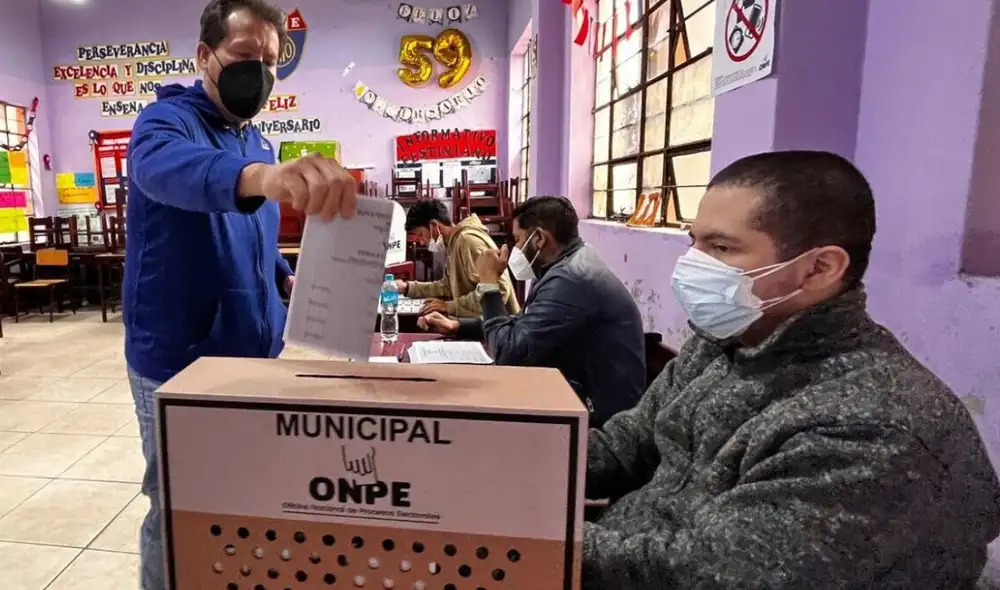
What poll workers will be paid
Citizens selected as polling table members will receive a payment of S/165, equivalent to 3% of the current Tax Unit (UIT). The payment goes to those who actually carry out the role on election day.
Poll workers who complete electoral training and fulfill their duties will also be entitled to a paid day off, which cannot be compensated in any other way. The benefit applies to both public and private sector workers, and employers are required to grant it as part of the facilities provided for the election.
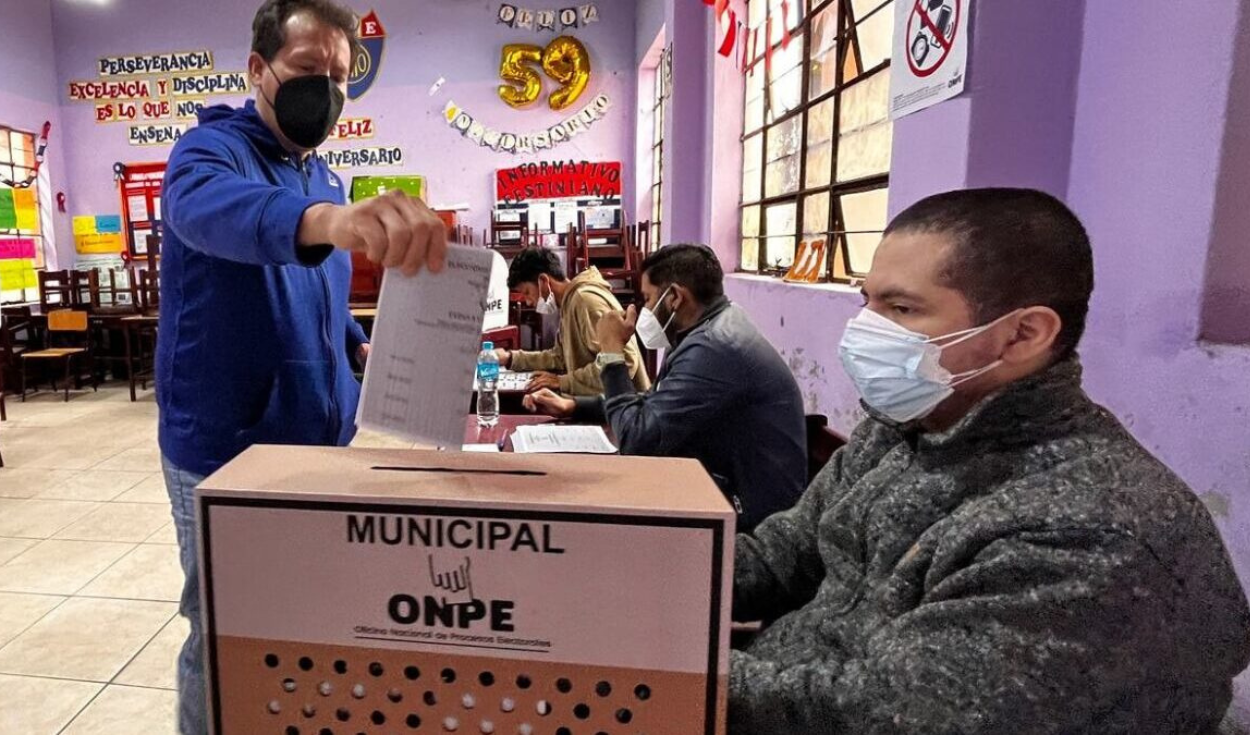
ONPE has already held the drawing to select poll workers. For this election, the drawing assigned nine people to each polling table: three principal members and six alternates. Only the three principal members will carry out the main duties on voting day, though everyone selected must report during the setup stage.
Duties of poll workers on election day
Each poll worker has a specific task defined by ONPE. The table president requests and returns each voter's national identity document. The secretary checks that person's details against the voter list. The third member oversees the moment the voter places their ballot in the ballot box.
These functions are meant to keep order throughout the day. Identity verification and ballot handling are required steps before each vote, repeated with every voter until the table closes.
Once voting ends, poll workers still have work to do. They must review the voter list and tally signatures and fingerprints, then complete the official election records with the results of the vote count. Representatives of political organizations present at the table may also sign those official documents.