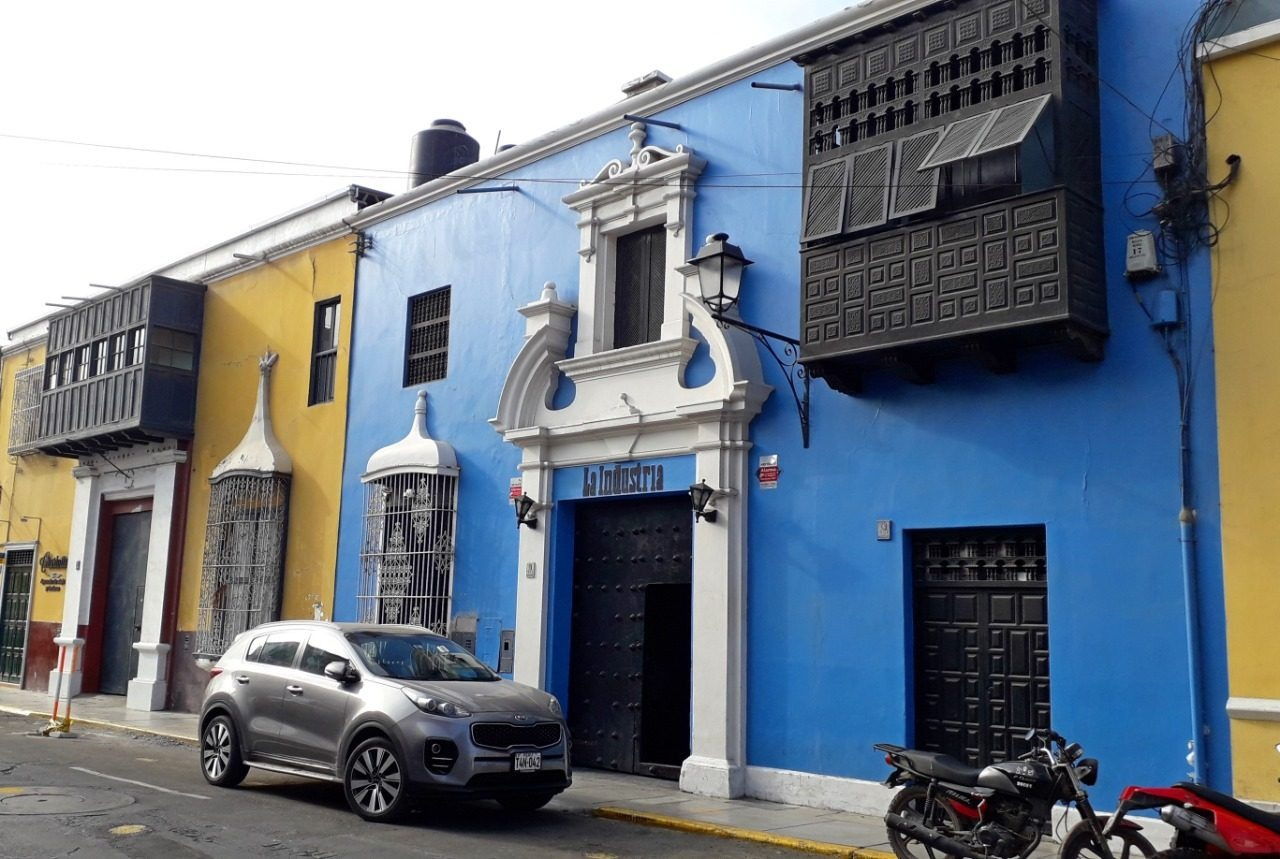
Peruvian daily newspaper La Industria has closed its doors after 130 years of publication in the northern cities of Trujillo, Chiclayo and Piura. The historic regional paper ceased publishing one month ago, ending a media legacy that originally grew out of a nineteenth-century literary magazine.
La Industria appeared every morning at breakfast, providing local and international news alongside opinion columns discussed during lunch and dinner. Printed with the most modern technology of its era, the paper offered an advanced structural layout covering global affairs for Trujillo, a city historically known for its conservative and conventual character.
The newspaper originated from Primavera, a publication active between 1880 and 1895 that devoted half of its pages to general news and the remainder to poetry. Writer Raúl Edmundo Haya y Cárdenas founded the publication alongside a group of young intellectuals who aimed to influence society through literature.
Origins in nineteenth century poetry
Primavera achieved daily distribution during its fifteen-year run. Published in Trujillo, the capital of Peru's La Libertad region, the magazine built its influence by advocating resistance and territorial recovery following Peru's defeat and occupation during the War of the Pacific against Chile between 1879 and 1883.
Haya y Cárdenas directed Primavera under the pseudonym Eduardo Lamuhnay. Writing narrative accounts of peace and conflict, he frequently documented the Chilean invasion, the resistance of defeated forces, and the looting suffered in Trujillo.
His primary editorial collaborator was Eduardo Zelaznog, the pseudonym of Eduardo González Alvarado, who contributed the majority of the poetry. The editorial team also featured Enrique Marquina, Gerardo Chávez, Julia Pacheco Rebaza de Acosta, Miguel Ángel del Corral, Manuel Cardoso, and María Tránsito Muga.
Writers and poetic contributions
González Alvarado, who lived from 1862 until 1956 and was the paternal grandfather of author Eduardo González Viaña, wrote dozens of romantic verses dedicated to various women. In his published work, he wrote that he no longer observed a fascinating smile on his subject's lips nor the magnetizing light of her gaze, stating that he adored her madly with sincere faith and had given her his heart.
Other key contributors focused on national themes. Contributor Celso Santelices paid tribute to his homeland, describing it as the happy mansion of his early years where his eyes first opened to the light.
Poet Julia Pacheco Rebaza contributed extensive works, including verses describing walking through clouds of white lilies, violets, and orange blossoms. Historian Blasco Bazán Vela later identified Pacheco Rebaza as the first female poet of Trujillo, highlighting her frequent contributions to the publication.
Female contributors and social context
Zoila Victoria de la Torre y Cárdenas, the wife of founder Haya y Cárdenas, joined the magazine as one of its closest collaborators, consistently writing on human values. Primavera maintained a broad group of female writers, representing a higher level of women's editorial involvement than was typical in Peruvian publishing during later periods.
That social climate evolved over the following decades. When author Mercedes Ibáñez Rossaza published her first book in 1965, La Industria covered the release on its front page with a headline stating that a woman had edited a book. González Viaña noted that while such framing reflected the broader social sexism of the mid-twentieth century, the newspaper reflected the general views of its readers rather than operating as an intentionally chauvinistic institution.
Transition to daily reporting and legacy
In 1895, Haya y Cárdenas and his wife marked two major milestones: the transition of Primavera into the daily newspaper La Industria, and the birth of their son, Víctor Raúl Haya de la Torre. Their son would later become one of Peru's most prominent twentieth-century political figures as the founder of the American Popular Revolutionary Alliance movement.
Haya y Cárdenas successfully shifted from poetry to daily journalism, creating a publication that remained active in northern Peru for more than a century before its final closure last month.