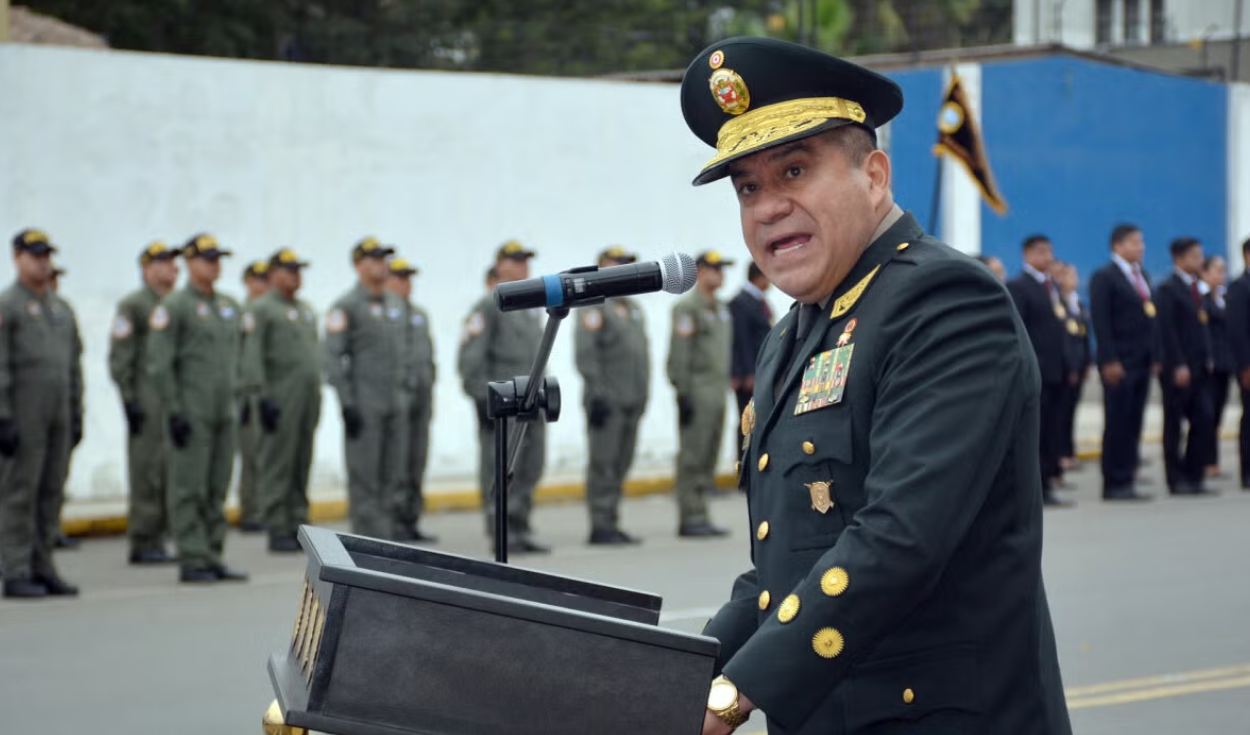
The Peruvian government is preparing to remove National Police of Peru Commander General Óscar Arriola from his position, according to sources from La República. The decision comes amid growing distance between the executive branch and high-ranking police officers. In a separate administration move, former minister under Dina Boluarte, Ángel Manero, has been named the new head of the Superintendencia Nacional de Bienes Estatales.
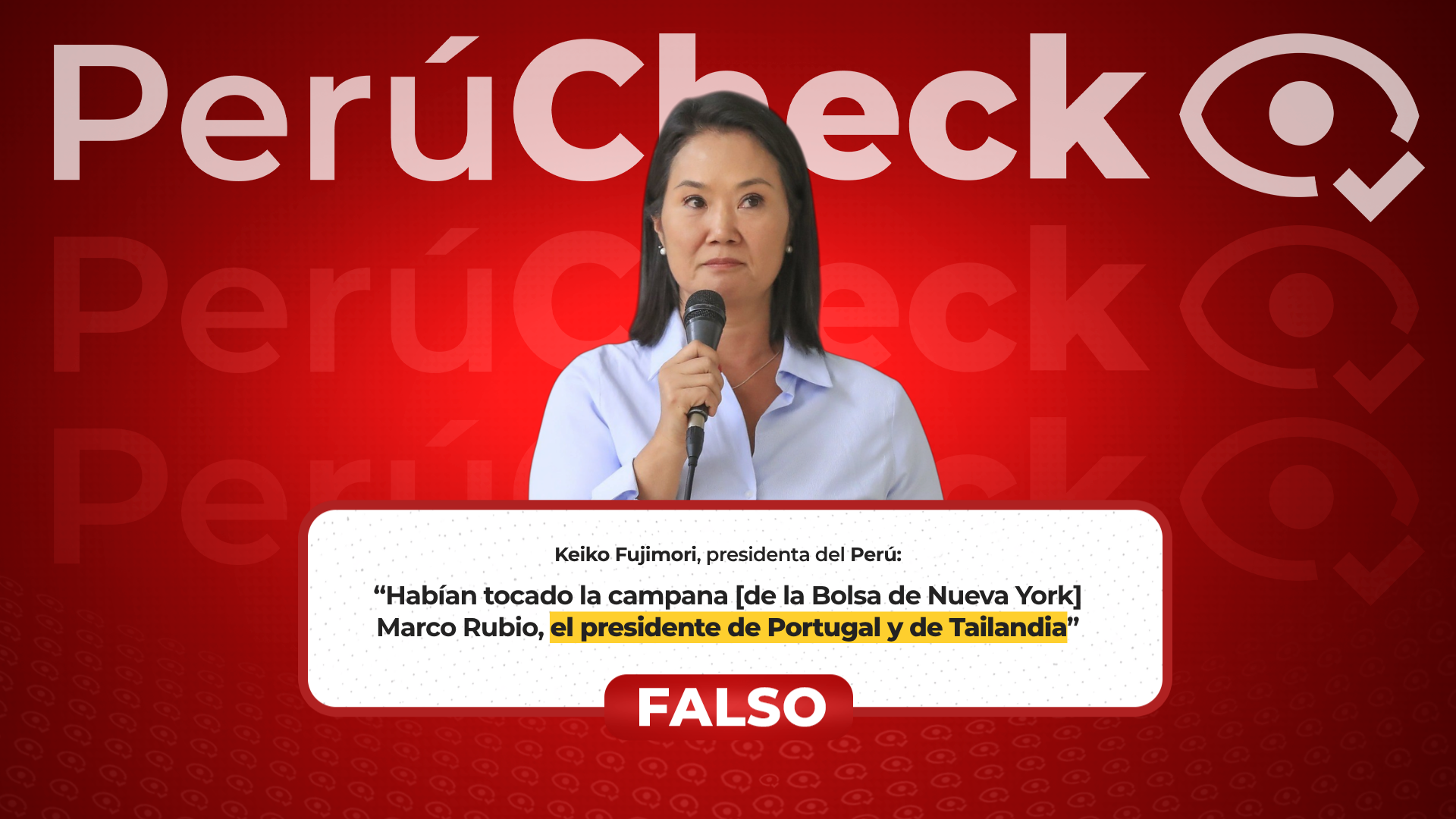
Asked about Arriola remaining in office, Keiko Fujimori avoided confirming his continuity. She limited her response to stating that the decision would be made together with Interior Minister César Astudillo, a retired EP division general.
Arriola assumed the general command of the National Police of Peru on September 30, 2025, and his management term was scheduled to end late next year. Specialists warned that his potential removal reflects a lack of a clear strategy against public insecurity at a time when the government has increased military presence in ministerial administration and on the streets.
Legal obstacles to removal
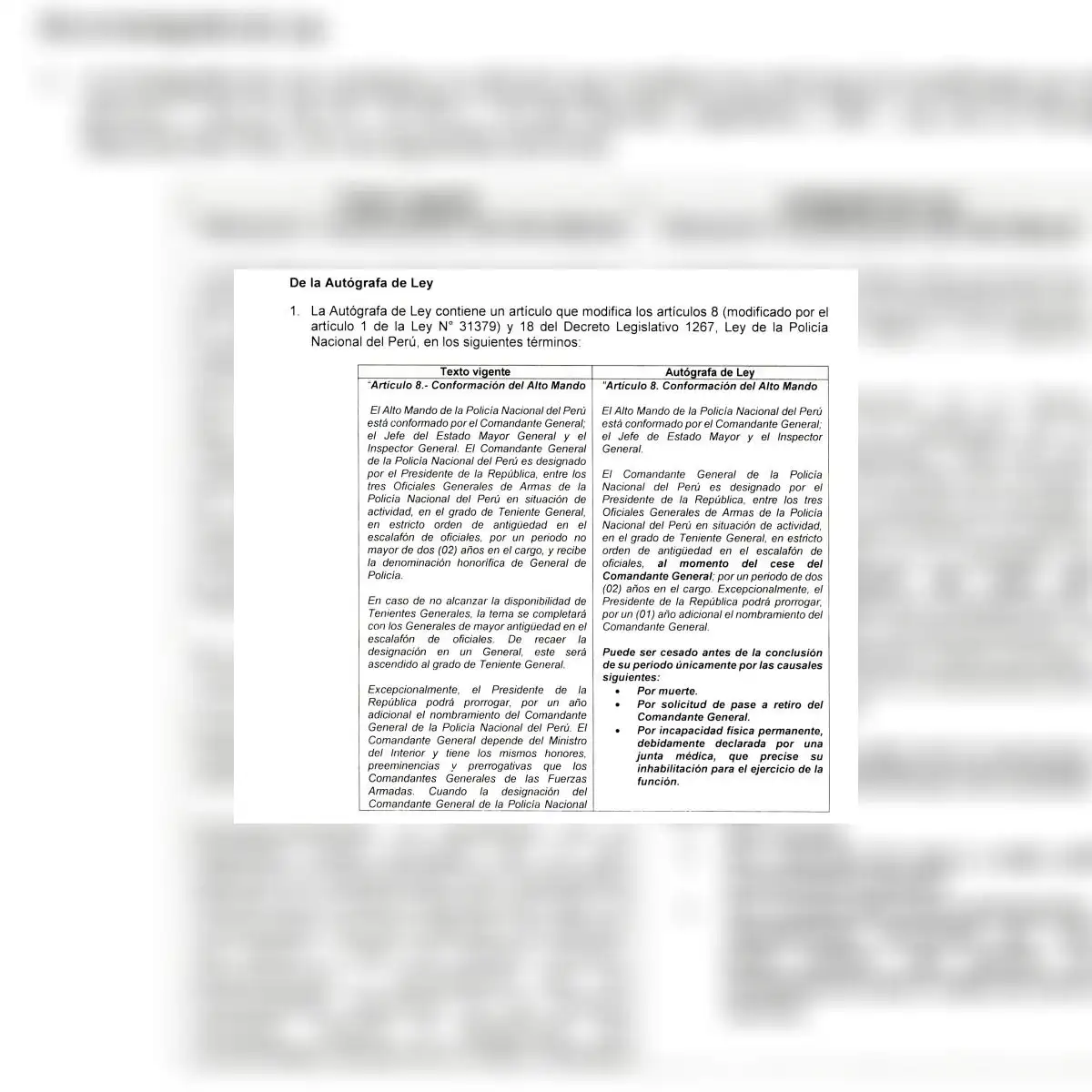
Removing Arriola would contradict the current legal framework governing the police force. The previous Congress modified the law to grant a fixed two-year term to the PNP general command.
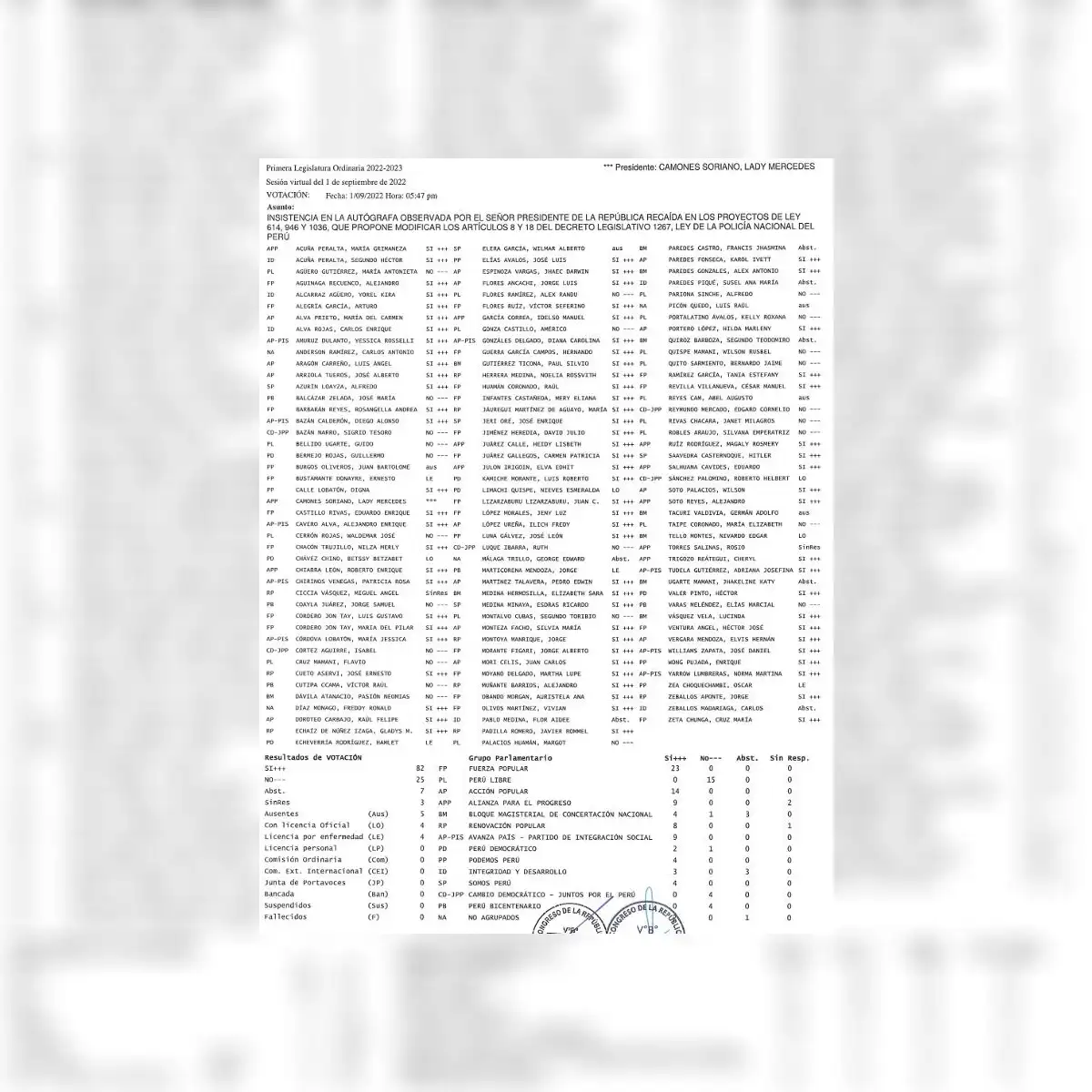
That statutory amendment was approved on September 1, 2022, with the unanimous vote of Fuerza Popular in favor of modifying articles 8 and 18 of Legislative Decree 1267. The current move by Fujimorismo in the executive branch conflicts with the past voting record of its own congressional caucus.
Under existing law, the police chief cannot be removed by political decision alone. The commander general can only be replaced for specific legal causes, including retirement due to age limit of service, voluntary request, proven incapacity, or a severe infraction investigated by the Inspectorate.
Political signals and executive changes
The plan to remove Arriola follows specific political signals inside the administration. Arriola has been absent from official meeting photographs, while internal order management has grown increasingly militarized.
Positions within the Ministry of the Interior have also been filled with a larger number of military officers. Experts argue these steps signal a shift toward military control over civilian security functions.
Lack of security strategy
Political scientist Edgardo Manyari told La República that replacing the commander general will not resolve the corruption and criminal mafias affecting the police force. He stated that the government lacks a plan to lower crime rates after any dismissal of the police chief.
Manyari described Arriola as another pawn on the chessboard, saying his departure would change nothing in the country's critical situation, particularly for vulnerable sectors. He stated that insecurity requires coherent plans rather than changing individuals, noting the failure of Plan Escudo and military street deployments.
Manyari also warned against trying to strengthen the police force without addressing internal corruption. He explained that providing more weapons, operational capabilities, or higher salaries to an institution infected with corruption would backfire and increase public insecurity.
To achieve real reform, Manyari called for a technical, multisectoral response involving international cooperation and academia. He proposed reactivating the National Council for Citizen Security with participation from the armed forces and academic institutions.
Past political and protest role
Political analyst and lawyer Juan De la Puente told the portal Pata Amarilla that changing the police chief is not an isolated event. He stated it marks the culmination of a cycle defined by Arriola's political role in recent years.
De la Puente said Arriola's departure symbolizes the failure of the Peruvian state against the crime wave. He stated that Arriola acted as a political and police operator before and after becoming commander general.
De la Puente noted that while serving as head of the Criminal Investigation Directorate between May and June 2023, Arriola fabricated serious charges against social protesters. Earlier, as head of the Counter-Terrorism Directorate in January 2023, Arriola claimed mobilizations in three cities were organized by the Regional Committee of Shining Path.
Objections to urban militarization
Former Interior Minister Wilfredo Pedraza stated in an interview that the government should respect the legally established term for the police commander general to maintain institutional stability. However, he stressed that while Arriola remains in office, he must be required to deliver strategic planning that has been missing.
Pedraza criticized using the armed forces for urban patrols and public space security, calling such deployments inefficient and purely symbolic. He stated that military forces have been deployed in states of emergency for years without solving insecurity.
Pedraza recommended shifting funds used for military deployments into purchasing police equipment, building intelligence capacity, and expanding operational resources. He added that while two weeks of government is early to expect results, current decisions show the administration is not on a good path.
Warnings over military leadership
Former Deputy Interior Minister Ricardo Valdés told La República that increasing military authority in civilian security management is an error that weakens political dialogue with local and regional authorities. He stressed that insecurity must be managed in local territories where mayors govern, requiring experienced civilian leadership.
Regarding Arriola's position, Valdés stated that the most beneficial outcome would be for the commander general to step aside voluntarily. He suggested that the president could speak with Arriola and request his resignation so the new government can send a clear message of renewal.
Valdés questioned the heavy-hand approach, calling it a mistake to treat citizen security as solely a punitive matter. He warned that relying on the fantasy that military forces are more effective will not solve urban crime.