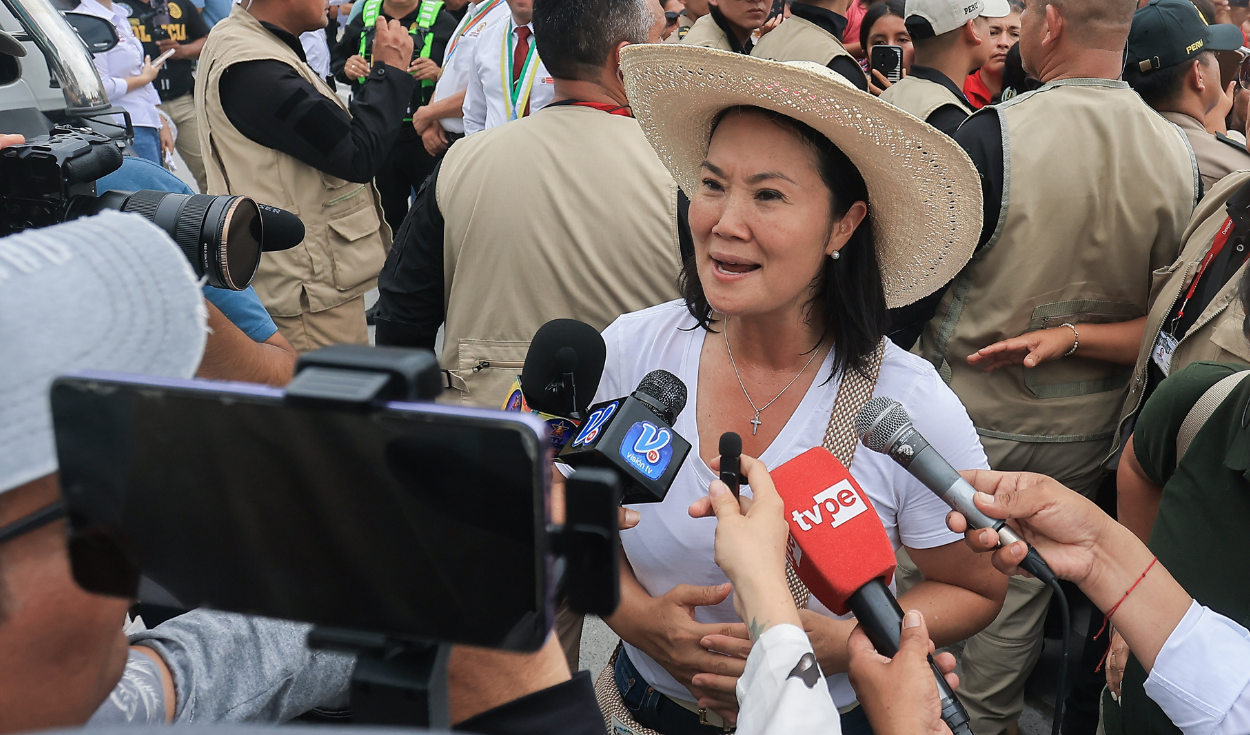
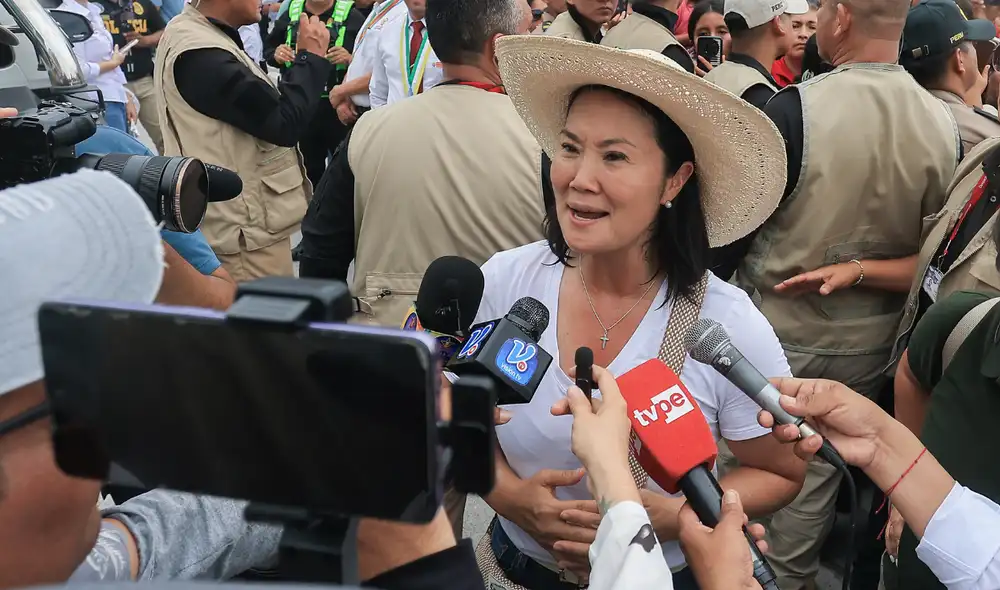
Peruvian President Keiko Fujimori urged Congress to grant her administration special legislative powers to combat organized crime during a visit to San Martín on Thursday, September 3, 2026.
The head of state insisted that lawmakers rapidly evaluate the request submitted by the executive branch, declaring that the delegation of authority is essential to provide state security forces with new legal mechanisms to suppress criminal networks.
Fujimori stated that the special powers are indispensable to officially classify organized crime syndicates as hostile groups and terrorist organizations, a formal designation that would harden the legal framework governing their prosecution.
Under the Constitution of Peru, the unicameral Congress of the Republic holds the sole authority to delegate temporary lawmaking powers to the executive branch for designated national security and economic priorities. Fujimori, who leads the conservative Fuerza Popular party, has faced mounting political scrutiny over public safety across the South American country.
Intelligence weaknesses and prison security
Addressing state capabilities in San Martín, Fujimori highlighted what she described as a major structural vulnerability within Peru's intelligence framework. She stated that the national intelligence service has lacked operational capacity for several years, directly limiting the ability of the state to anticipate criminal actions and dismantle organized gangs before they operate.
The president also outlined proposed changes to the role of the security forces, calling for the National Police of Peru and the Armed Forces to act jointly and assume expanded control over the nation's prisons. She asserted that joint military and police management of correctional facilities is required to stop criminal operations run from behind bars.
In addition, Fujimori called for an expedited immigration policy within the proposed legislative package to accelerate the deportation of undocumented foreign nationals. She framed the border enforcement and deportation measures as integral components of the government's broader anti-crime strategy.
Public silence and the Trujillo kidnapping
The remarks in San Martín followed a public appearance a day earlier in Piura, where Fujimori supervised river desilting operations designed to mitigate potential flooding from the El Niño climate phenomenon. During her visit to the northern region on Wednesday, September 2, she defended the same request for special powers when asked about more than 13,000 registered extortion complaints nationwide.
Speaking in Piura, Fujimori stated that granting legislative authority would allow the government to strengthen intelligence gathering and obtain critical information before crimes occur. She reiterated her proposal to classify criminal gangs as hostile groups alongside terrorist entities, delegate prison management to the military, and accelerate deportations of undocumented migrants.
The consecutive public appearances in Piura and San Martín ended several days of public silence by the president following widespread criticism over a quadruple murder in Trujillo during the kidnapping of a mining entrepreneur. In Piura, Fujimori declined to offer definitive conclusions regarding the investigation, but stated that detained suspects had admitted their participation and that signed documents were filed as part of official proceedings.
Opposition pushback over pro-crime laws
The executive request for special powers has drawn criticism from opposition lawmakers who argue that the bill omits key legislative remedies needed to control violent crime. A coalition of opposition members questioned why the proposal does not include the repeal of previous statutes passed by the prior parliament, which critics label as pro-crime laws that facilitated criminal expansion.
Deputy Luis Quispe Candia of the Partido del Buen Gobierno characterized the omission of the pro-crime laws from the executive project as an error. Quispe Candia warned that his parliamentary caucus will demand the repeal of those statutes separately and noted that his party has not yet decided whether to support the president's request in full.
Deputy Jair Manrique of the Ahora Nación party took a firmer stance, urging the president to completely reformulate her request for special powers. Manrique stated that the submitted bill fails to reflect the reality of the country's security crisis, asserting that the pro-crime legal package directly contributed to the rise in criminality.
Senate scrutiny and alternative legislation
Deputy Catherin Palomino of Juntos por el Perú expressed similar concerns, noting that the omission did not surprise her faction because fujimorist lawmakers supported the pro-crime statutes in the previous parliament. Palomino emphasized that her party will push forward with independent legislation to repeal those laws without relying on delegated executive authority.
Critiques were also voiced in the Senate, where Senator Daniel Barragán of the Obras party reported that his caucus reviewed the executive proposal and identified multiple policy gaps. Barragán noted that the text lacks both a provision to repeal the pro-crime statutes and specific guidelines regarding emergency preparations for the 2026-2027 El Niño phenomenon.
Barragán stated that while his party intends to support urgent national security legislation, lawmakers will introduce separate parliamentary bills to dismantle the pro-crime legal framework. Congress is expected to examine the executive branch's request alongside competing legislative proposals introduced by opposition benches in the coming sessions.