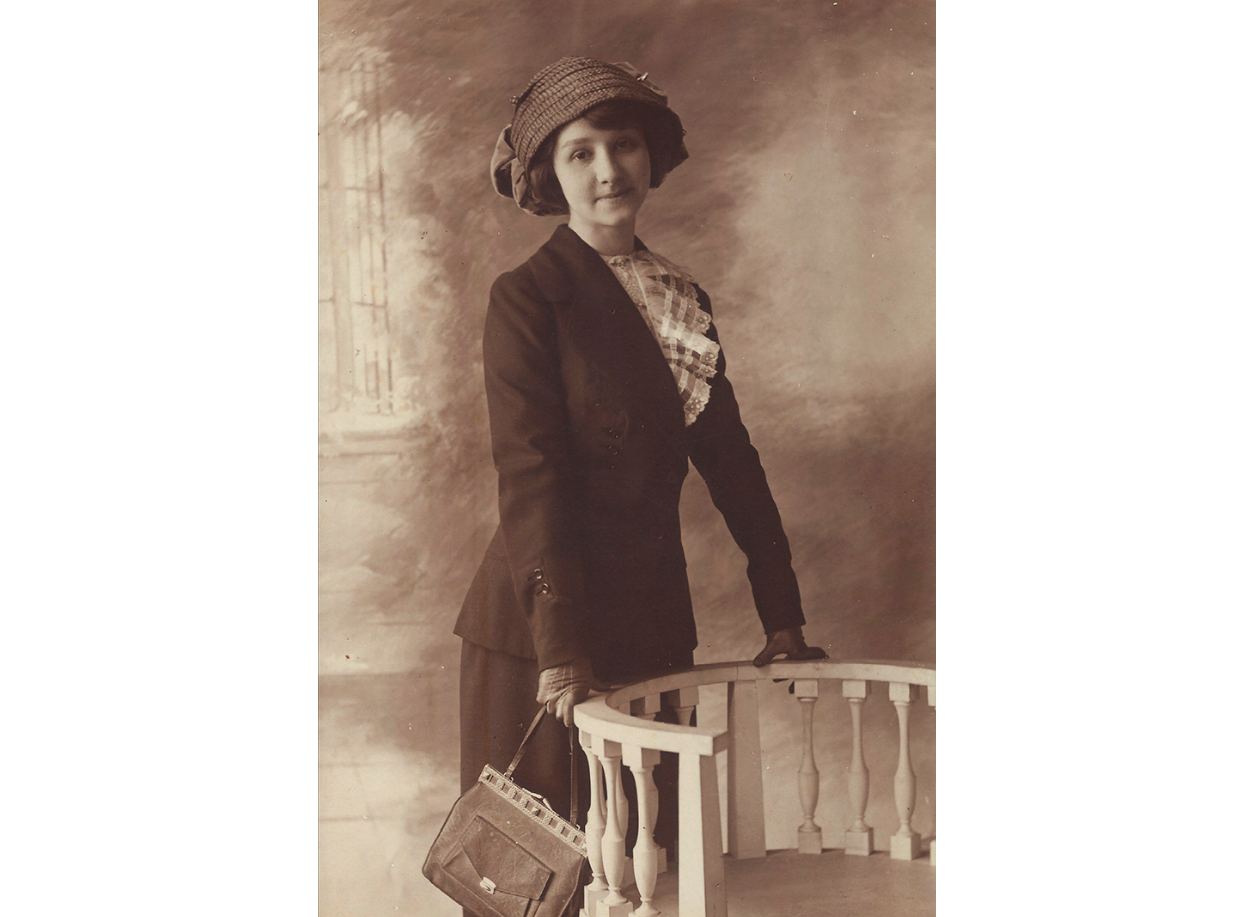
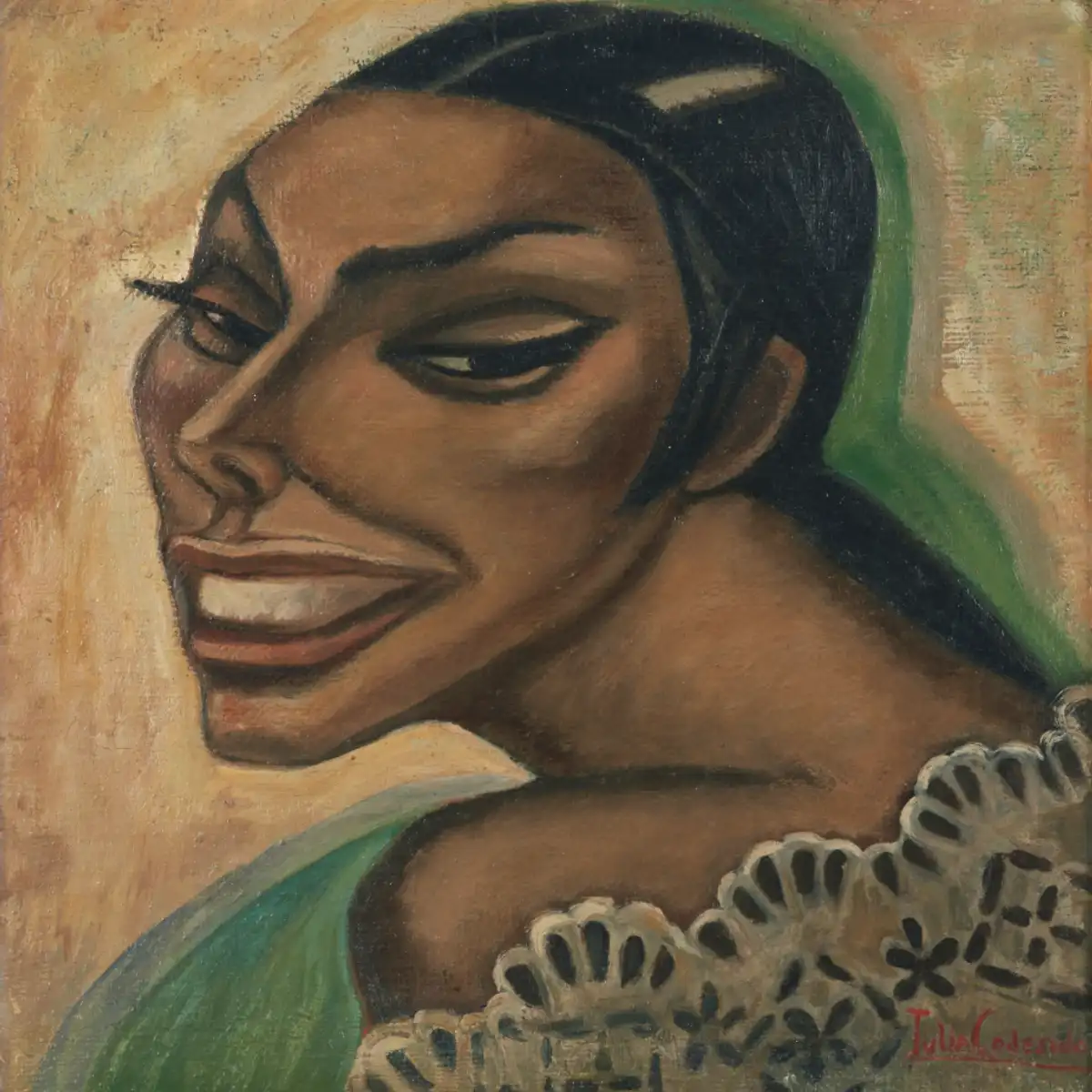
A major retrospective exhibition showcasing more than six decades of work by Peruvian artist Julia Codesido has opened in Lima at the MALI museum. The exhibition, titled Julia Codesido Retrospectiva, is housed in Room 1 of the Lima Art Museum and will remain open to the public until November 1.
Organised in collaboration with the Julia Codesido Foundation, chaired by the Pontifical Catholic University of Peru, the survey covers the painter's career from her early output through to her final works.
Throughout her career, Codesido maintained that creating original and universal art required placing Peru at the very centre of her focus.
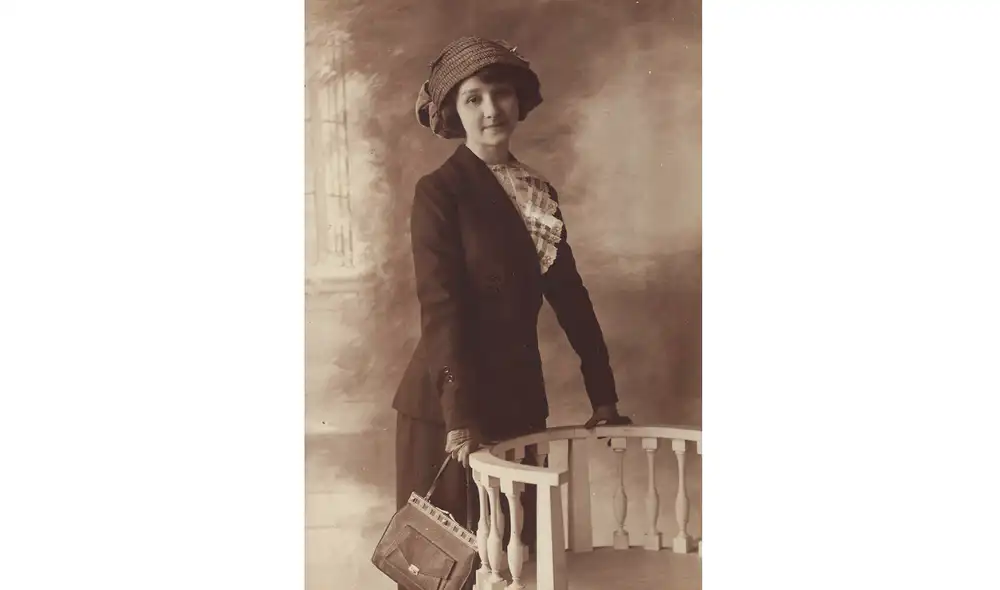
A comprehensive survey of indigenist master
The showcase is the first major retrospective dedicated to Codesido since 1976, a milestone event that marked the formal institutional recognition of her artistic vision.
While history has often classified Codesido as a leading representative of Peruvian indigenist painting, curators stress that the new display offers a complete overview of her distinct personal style.
Exhibition organizers noted that Codesido was far from a derivative follower of established trends, pointing out that her earliest creations displayed remarkable maturity rather than the hesitant experimentation common in formative stages.
Early life and European artistic influences
Born in 1883, Codesido developed a passion for the arts during a childhood spent in an environment that encouraged reading, aesthetic discussion, and engagement with international affairs.
Her father, Bernardino Codesido Oyaque, was a distinguished jurist and diplomat whose career led the family to travel extensively across the globe.
During her youth in Europe in the early 20th century, Codesido encountered the rise of avant-garde art movements, unorthodox creative approaches, and new explorations of subjective and subconscious perception.
Those European experiences strengthened her artistic sensitivity and solidified her decision to pursue a career in the visual arts.
Breakthrough at the National School of Fine Arts
A pivotal moment in Peruvian cultural history occurred in 1918 with the founding of the National Superior Autonomous School of Fine Arts in Lima.
When the academy opened its doors in 1919 under the direction of painter Daniel Hernandez, Codesido enrolled in its academic program at the age of 36.
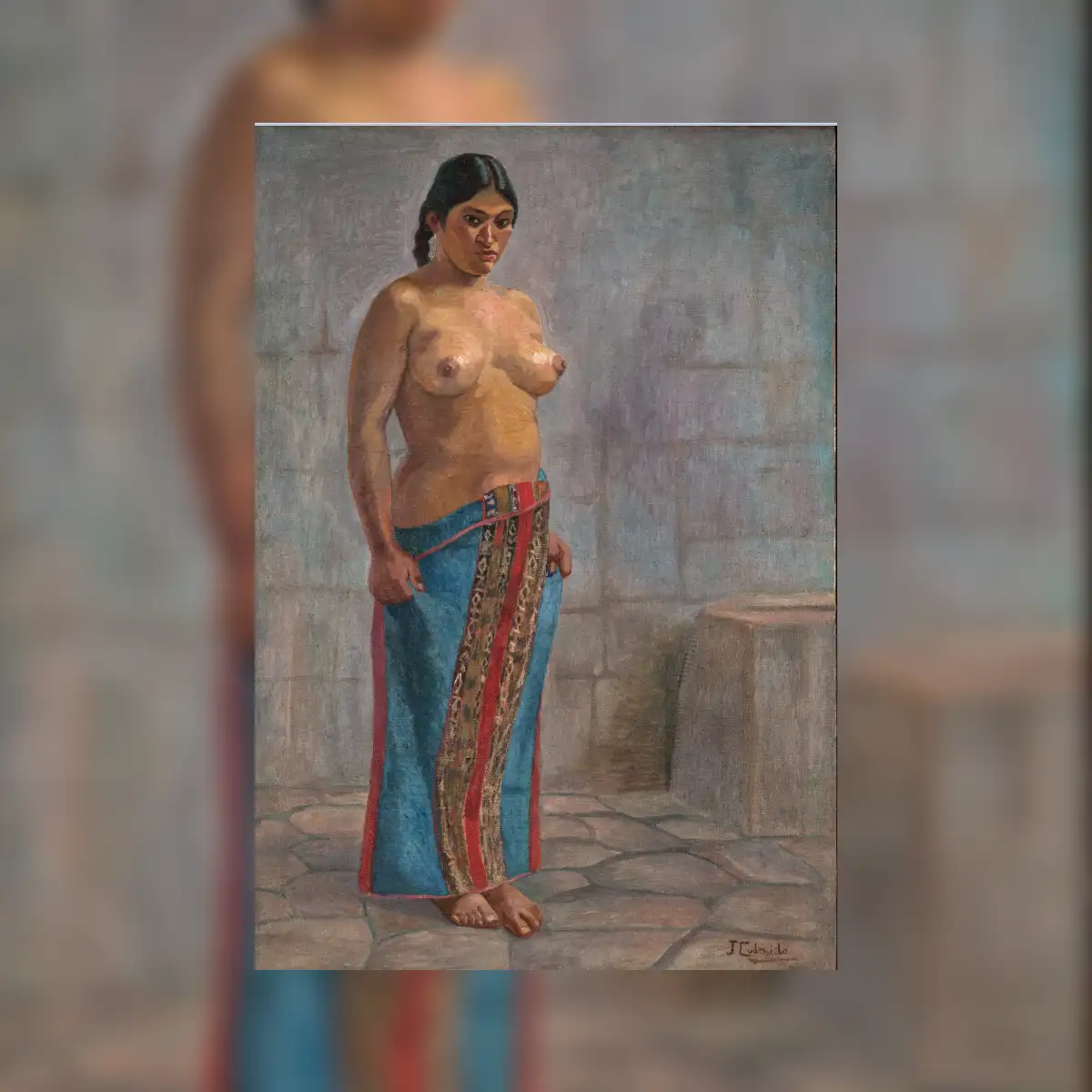
Entering the institution as a mature student in conservative Lima, Codesido challenged societal norms through her work, including her paintings of female nudes.
At the time, male artists were permitted to paint nudes freely, but female students were strictly prohibited from painting male nudes, were restricted to female models, and required parental permission. Codesido focused her easel on nude indigenous women.
Independent path within the indigenist movement
Art historians have long debated the influence of master painter Jose Sabogal on Codesido's development.
Luis Eduardo Wuffarden, curator of the MALI exhibition, explained that although many painters joined Sabogal's indigenist movement, Codesido maintained an unorthodox personality and evolved along her own trajectory without adhering to strict dogmas.
Wuffarden stated that Codesido maintained open loyalty to Sabogal while actively carving out her own artistic path.
That independence enabled her to display her work in modern European venues, an achievement that eluded other indigenists who remained tied to movement orthodoxy and isolated from international circles.
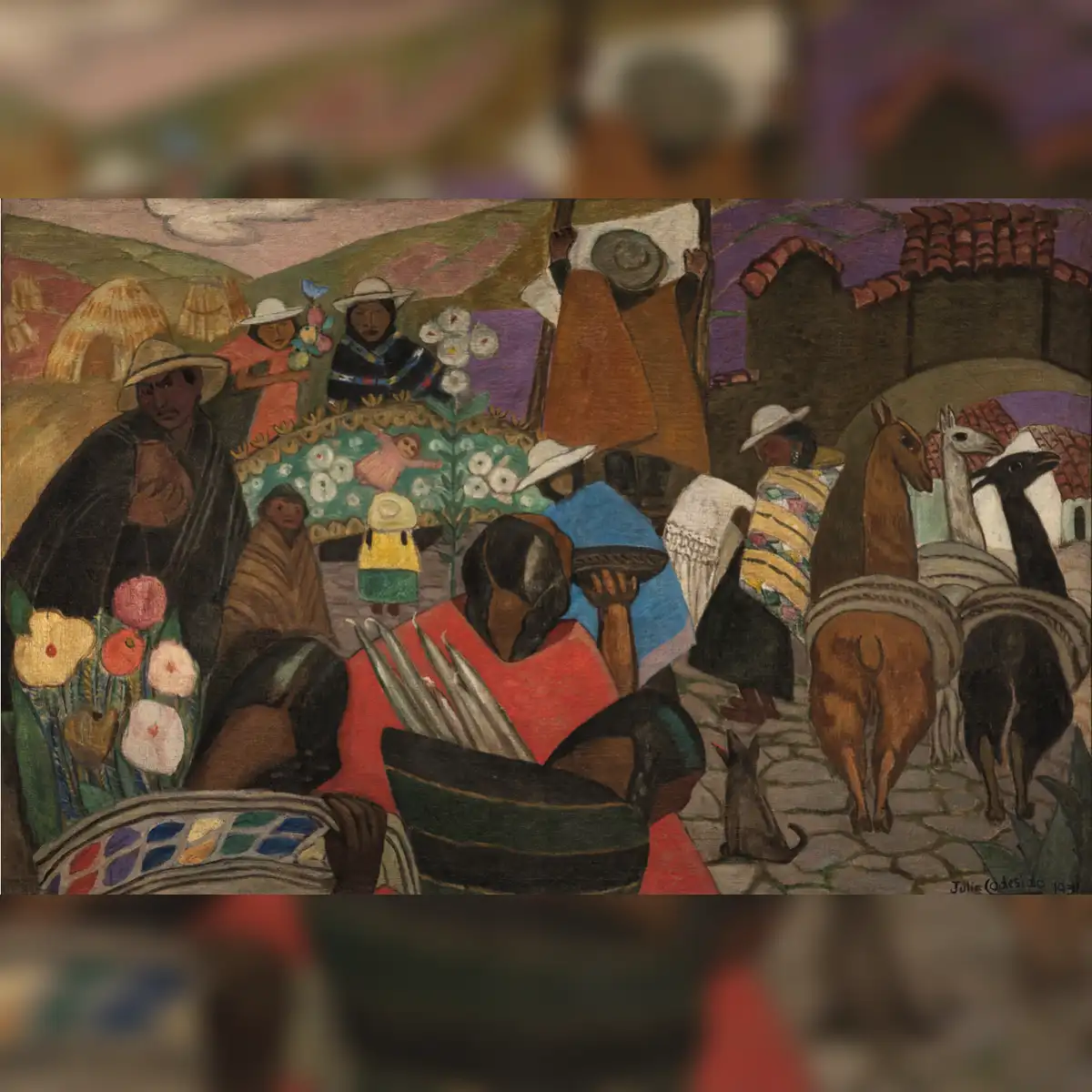
Intellectual circles and iconic book cover design
During the 1920s, Codesido took an active part in intense national debates regarding Peruvian identity and nationhood.
Her broad cultural background and global perspective earned her entry into the influential intellectual circle of political thinker Jose Carlos Mariategui.
In 1928, Codesido created the cover design for Mariategui's seminal book 7 Essays on Interpretation of Peruvian Reality, drawing inspiration from pre-Columbian art motifs and cubist forms.
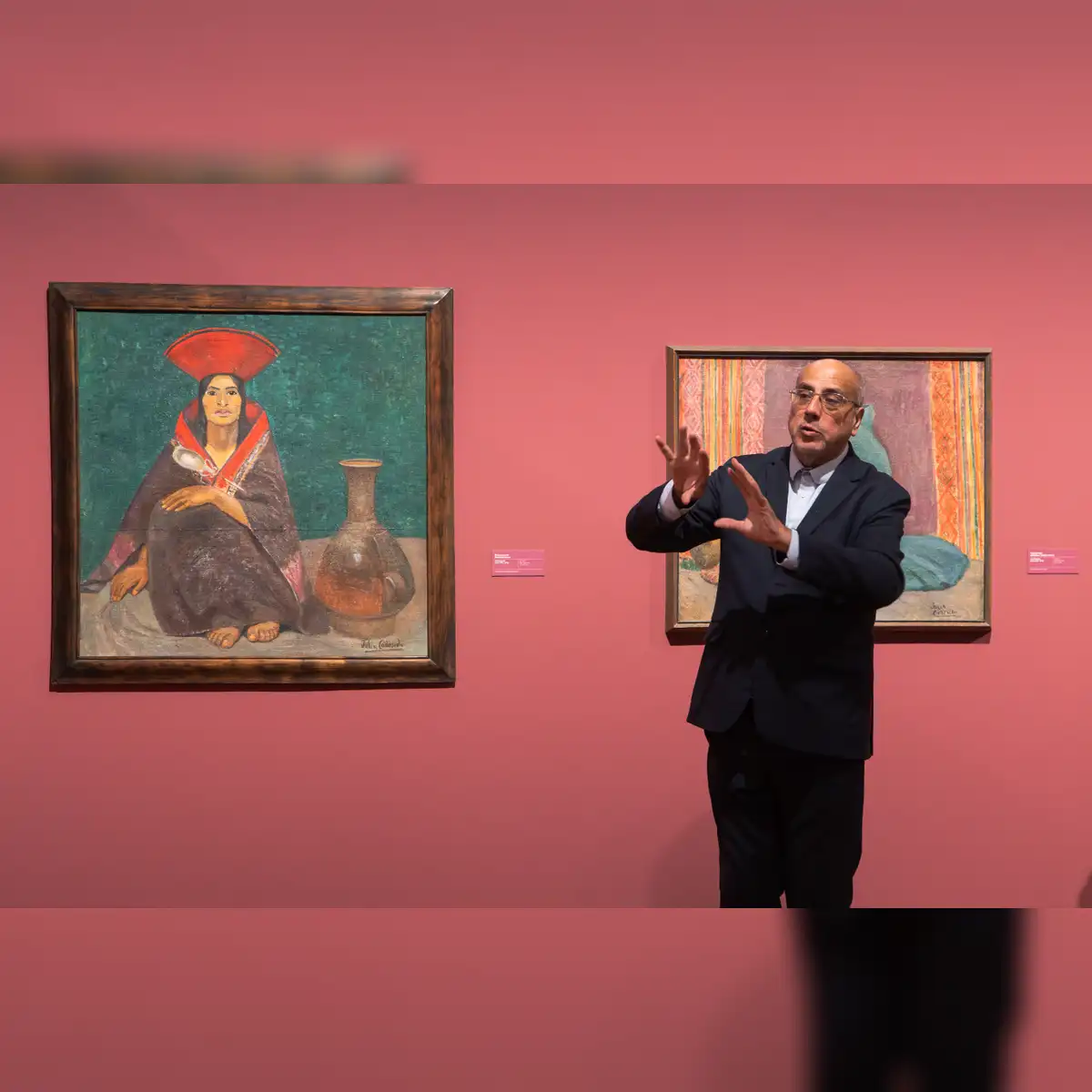
Preserving popular art and ethnographic heritage
Wuffarden noted that Codesido, Sabogal, and Mariategui shared a belief that indigenism represented the true expression of modern art in Peru.
The second room of the exhibition highlights Codesido's relationship with popular art through her work with the Institute of Peruvian Art.
Following Sabogal's departure as director of Fine Arts in 1943, the Institute of Peruvian Art was activated in 1946, leading artists to travel across the country to record regional costumes and material culture.
Their ethnographic field studies laid the foundation for the collection of the Museum of Peruvian Culture.
Wuffarden emphasized that Codesido retained her expressive personal line in ethnographic drawings, unlike peers who adopted neutral techniques, demonstrating her belief that art could remain modern while rooted in Peruvian identity.
Private life and curatorial reflections
Ricardo Kusunoki, associate curator of colonial and republican art at MALI, described Codesido as a highly educated woman who spoke several languages and enjoyed immense personal liberty.
Codesido remained single throughout her life and maintained strict privacy regarding her personal affairs.
Kusunoki remarked that this extreme discretion afforded her a thoroughly modern lifestyle free from external accountability.
Reflecting on the exhibition's purpose, Kusunoki said that visiting a museum should primarily be an enjoyable visual experience rather than a mandatory instructional lesson, praising Codesido's creative force and plastic intensity.
Exhibition details and published monograph
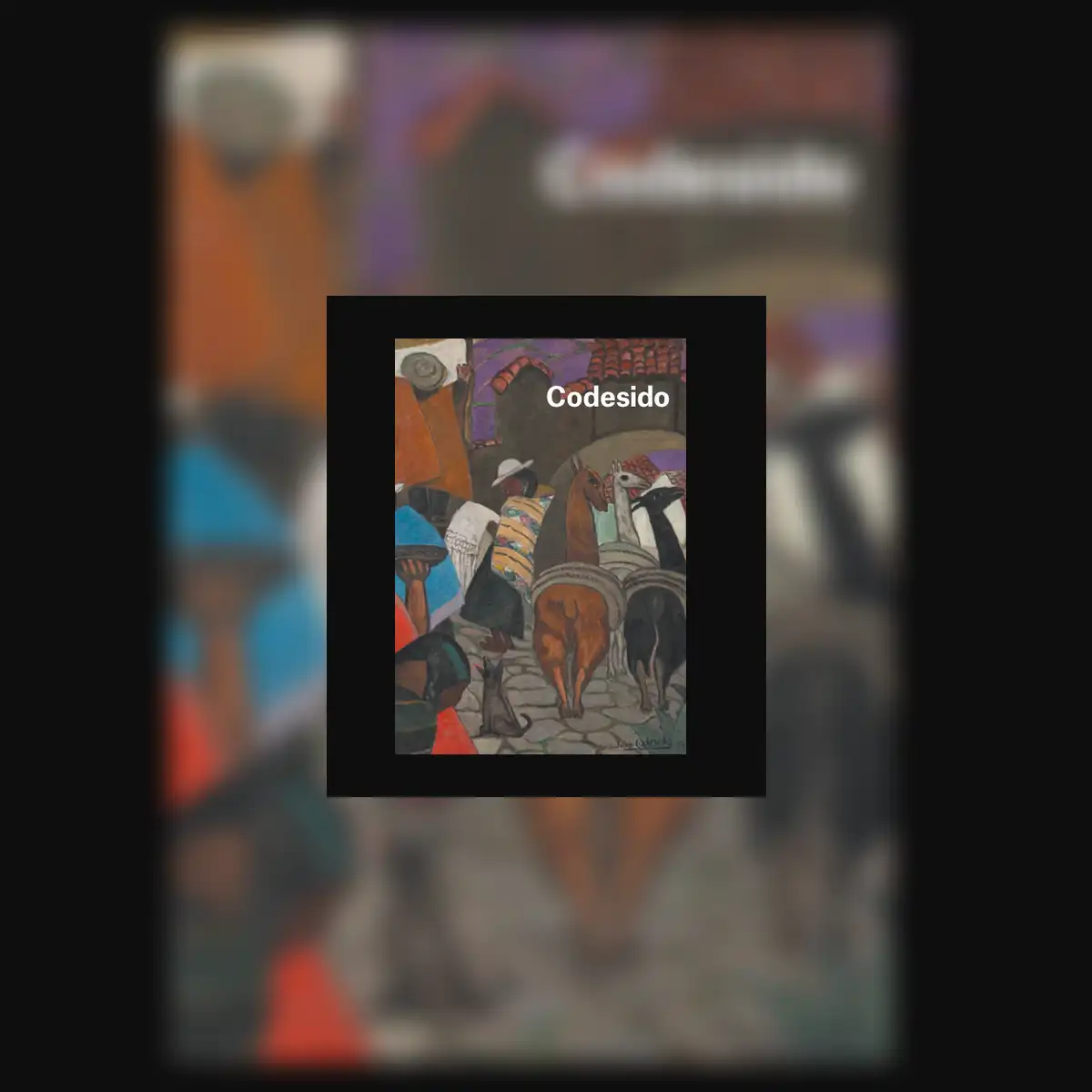
To accompany the retrospective, MALI published a book titled Codesido, edited by Ricardo Kusunoki with essay contributions from Elise Chagas, Gabriela Germana, Luis Eduardo Wuffarden, and Pablo Cruz.
The exhibition remains on display at MALI in Lima through November 1, offering visitors a comprehensive look at an artist whose legacy continues to prompt research into her life and career.