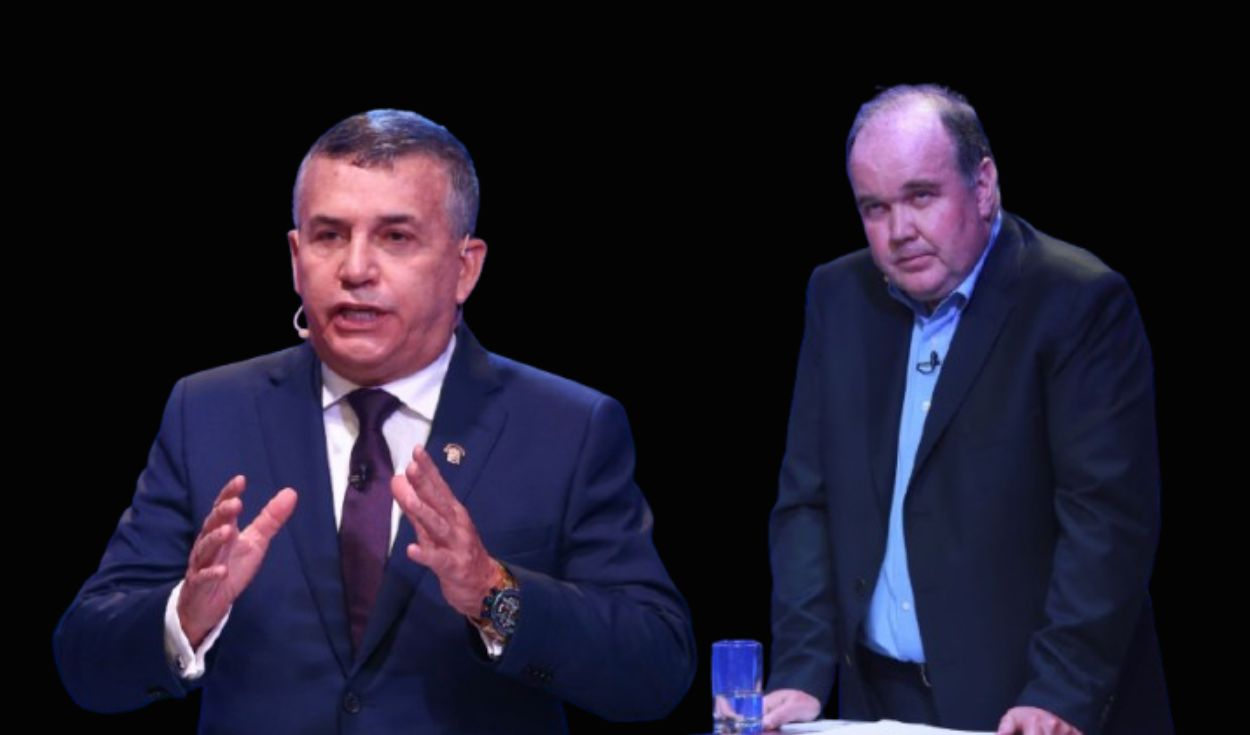
Podemos Perú candidate Daniel Urresti has criticized rival candidate Rafael López Aliaga in Lima, calling his mayoral candidacy legal but completely immoral.
Urresti stated that López Aliaga circumvented electoral regulations by initially registering as first alderman on the Renovación Popular list before stepping into the head of the ticket following the resignation of the original mayoral candidate.
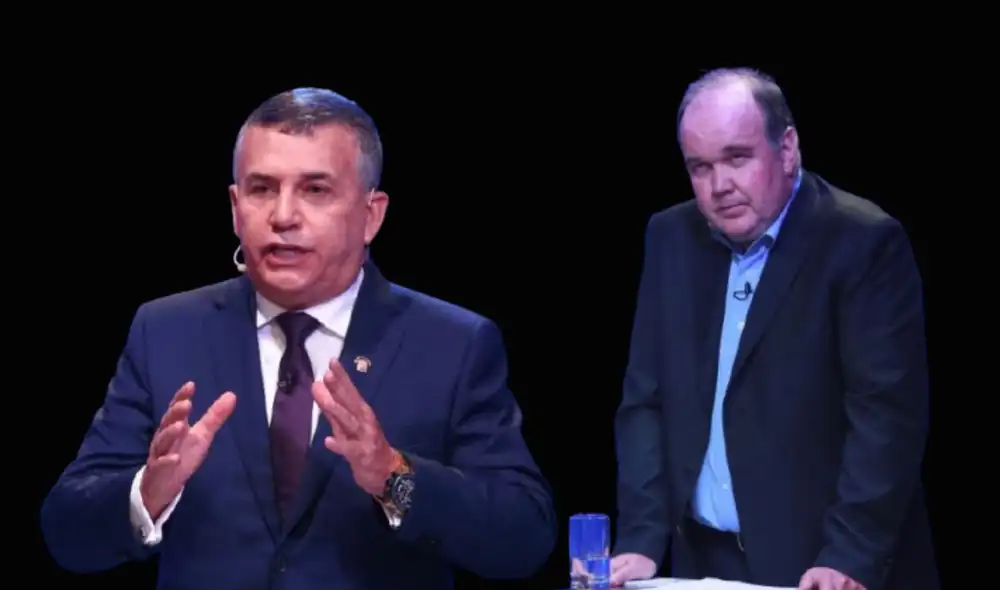
Speaking in an interview with news station RPP, Urresti declared that political trickery had prevailed in the selection process. He added that while the maneuver carries legal backing, it remains completely dishonest, anti-Catholic, and contrary to everything López Aliaga claims to represent.
Urresti further asserted that López Aliaga frequently speaks of honesty and love, yet his actions demonstrate neither quality. He accused the Renovación Popular leader of using legal loopholes rather than straightforward campaign ethics.
Legality and ethics of Lima mayoral bid
Urresti is a retired army officer and former Peruvian interior minister who is contesting the capital's top office under the banner of Podemos Perú, a right-leaning political party founded in 2018. Lima, the capital of Peru, is home to nearly ten million residents and faces major municipal challenges regarding urban public safety, transport, and local administration.
López Aliaga is a prominent Peruvian businessman, conservative politician, and former mayor of Lima who leads the Renovación Popular party. He previously ran for president of Peru in the 2026 general elections, centering his platform on strict law enforcement, economic conservatism, and traditional social values.
Criticism of proposed municipal security policies
Turning to campaign policy, Urresti sharply criticized the security measures proposed by Renovación Popular, stating they fail to adjust to the reality of the Peruvian capital. He argued that the solutions offered by López Aliaga will not resolve city crime.
Urresti described López Aliaga as completely unfocused, alleging that the conservative politician acts as if he were still competing for the presidency of the country. Urresti pointed out that López Aliaga's proposals to improve city safety involve withdrawing Peru from the Inter-American Court of Human Rights and applying the death penalty.
Urresti dismissed both security proposals as nonsense, noting that executing either measure would take at least two years. He emphasized that municipal crime requires immediate local solutions rather than lengthy international and legal reforms.
International treaties and Peruvian legal framework
The Inter-American Court of Human Rights, based in San José, Costa Rica, is an autonomous judicial organ of the Organization of American States enforcing the American Convention on Human Rights. Peru is a state party to the treaty, which restricts the application of capital punishment and subjects member nations to regional human rights oversight, making unilateral exit a complex process requiring executive and congressional procedures.
Absence from election ethics pact
The political dispute unfolded as both Urresti and López Aliaga failed to sign the Electoral Ethical Pact ahead of the municipal elections scheduled for October 4. Despite standing as leading candidates for mayor of Lima, neither contender attended the official ceremony organized for the signing.
López Aliaga's absence from the commitment is not an isolated event. In December 2025, Renovación Popular similarly chose not to participate in the signing ceremony for the ethics agreement ahead of the 2026 general elections, a race in which López Aliaga ran for president. The left-wing party Perú Libre also decided against signing on that occasion.
The Electoral Ethical Pact is promoted by the Jurado Nacional de Elecciones, Peru's national electoral authority responsible for overseeing democratic processes. The initiative aims to ensure political parties and candidates carry out respectful campaigns without violence or false information, while formally committing participants to accept official election results.