Jorge Bruce, a psychoanalyst at the Pontificia Universidad Católica del Perú and author of the book "Nos habíamos choleado tanto. Psicoanálisis y racismo," argued in an opinion column that a taunt often aimed at defenders of democracy may contain an uncomfortable lesson.
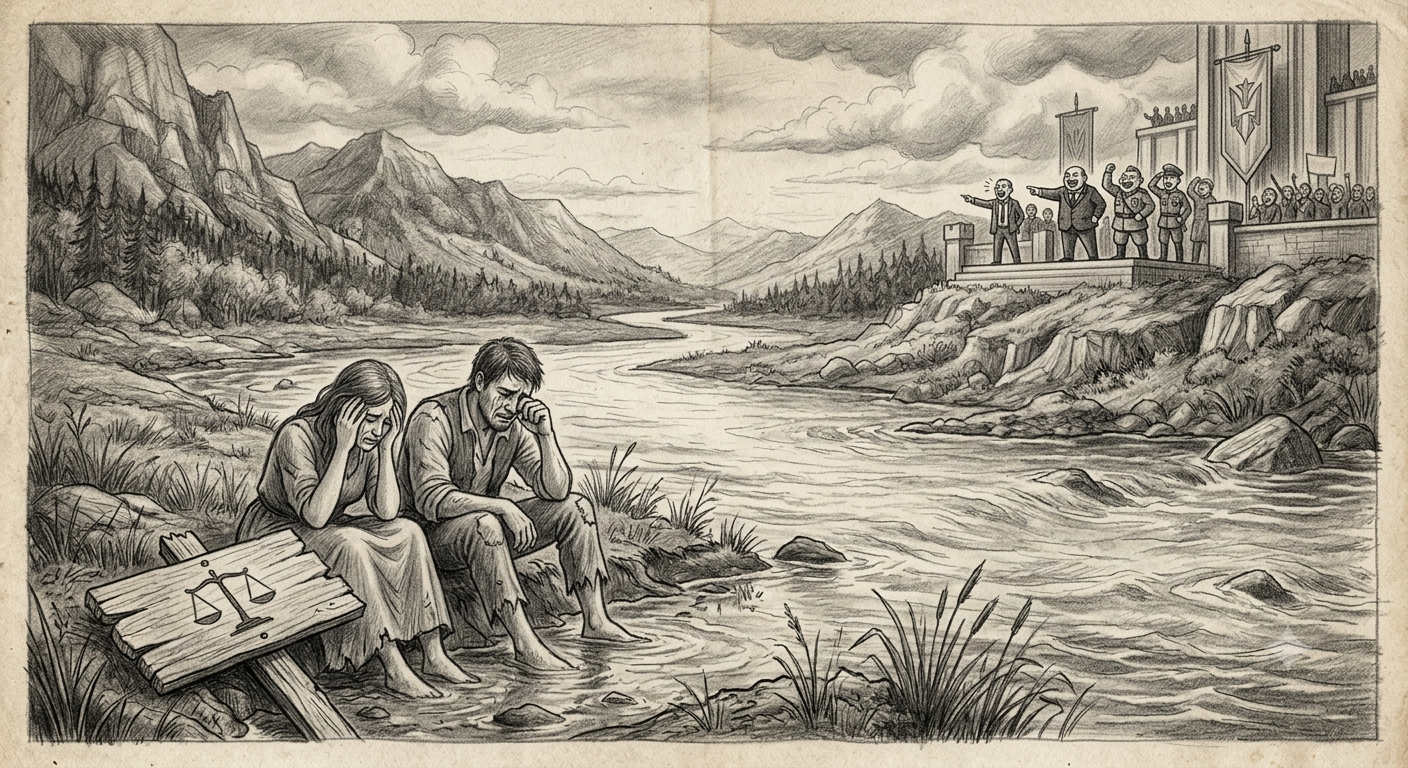
Bruce wrote that the phrase "go cry by the river, you reds" is repeated by trolls on social media and by political figures from the far right, aimed at people who, like him, still believe democracy is preferable to authoritarianism despite its flaws. He said the message behind it is that the damage is already done and there is no point complaining. He noted the line usually provokes disgust, irritation or even aggression among democracy's defenders, but he wanted to consider it calmly instead.
To explain his thinking, Bruce described a session with a young patient diagnosed with mild psychosis who asked him why his mother always told him not to cry over spilled milk. Bruce said he first told the patient that once something has happened, complaining is pointless and the only option is to move forward, but the explanation only deepened the patient's distress. Recalling lessons from psychiatry training at a hospital he believed was Dos de Mayo, where he learned that patients with borderline or psychotic conditions can struggle to understand metaphors, Bruce said he changed tack. He asked the patient to imagine a jug of milk spilling on the consulting-room floor and whether it could be poured back in.
Bruce said the patient's tension eased, and he then explained that his mother meant that when he lost his job, a precarious position as a salesman in a shop, there was no use lamenting it and he had to look for another one. Bruce said he altered details of the case to protect the patient's identity.
Applying the lesson to Peru's politics
Bruce then turned the anecdote toward Peruvian politics, asking what happens if the river taunt is taken literally, and whether the spilled-milk saying holds some truth beyond simply confirming that authoritarian and repressive currents intend to keep undermining democracy.
He pointed to Rafael López Aliaga's candidacy for mayor of Lima, which he described as clearly deceptive. He noted that congresswoman Norma Yarrow of the Renovación Popular party said bluntly that Peru's National Elections Board, the Jurado Nacional de Elecciones, had let itself be cheated. Bruce remarked it was notable that a woman used an expression commonly associated with infidelity to describe an institution outwitted by trickery.
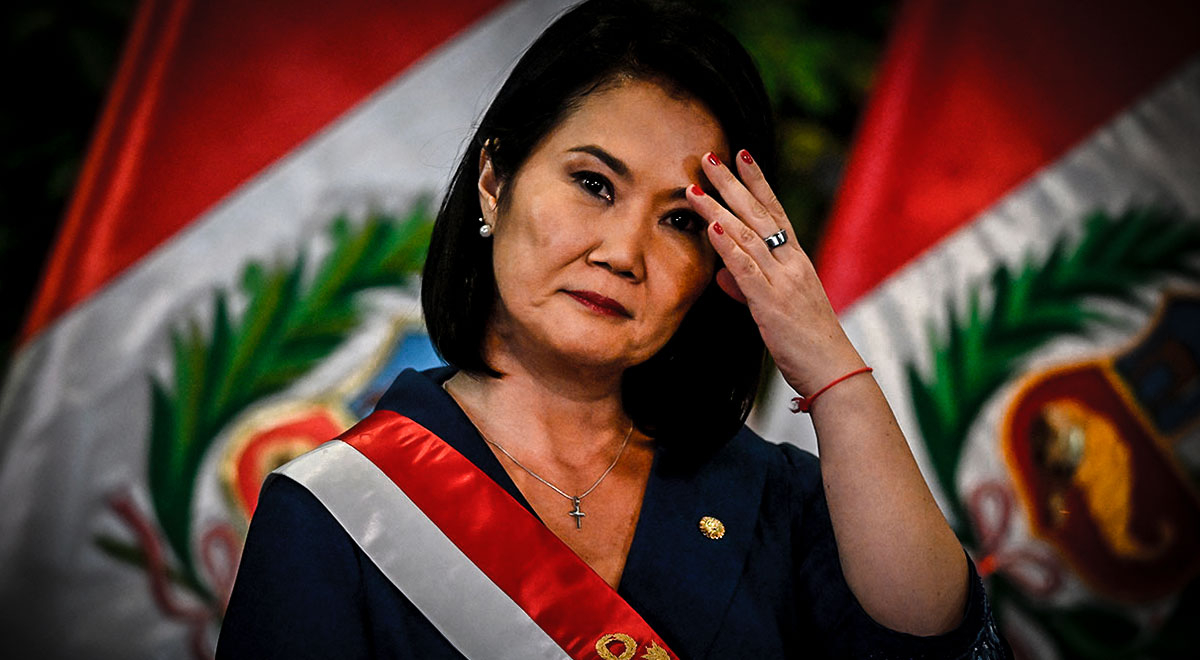
Despite this evidence of wrongdoing, Bruce said the latest Ipsos poll shows López Aliaga leading, and that President Keiko Fujimori holds 60% approval without having done anything, citing as an example the scandal over the difficulty of obtaining a passport.
A warning for democratic forces
Bruce said these global authoritarian trends may carry a clear message for democratic forces: living conditions have worsened, with hunger, insecurity and a lack of health care, and blaming the country's parliamentary government has not worked. He said a large number of desperate Peruvians appear willing to hand power to a leader who will not stop at what they see as bureaucratic obstacles, such as the constitution, to get things done.
Bruce called this a fallacy. He said the makeup of the cabinet shows the government is far from being composed of the most capable people, since apart from the economy minister, none of the other ministers are suited to their posts or able to build teams capable of steering Peru toward security and support for the most vulnerable. He raised the same doubt about the Renovación Popular representative, asking whether a population that is 75% informal is concerned about failure to honor contracts, concluding that it does not appear to be. Since the milk cannot be poured back into its jug, he wrote, another way must be found to solve the puzzle reality presents.