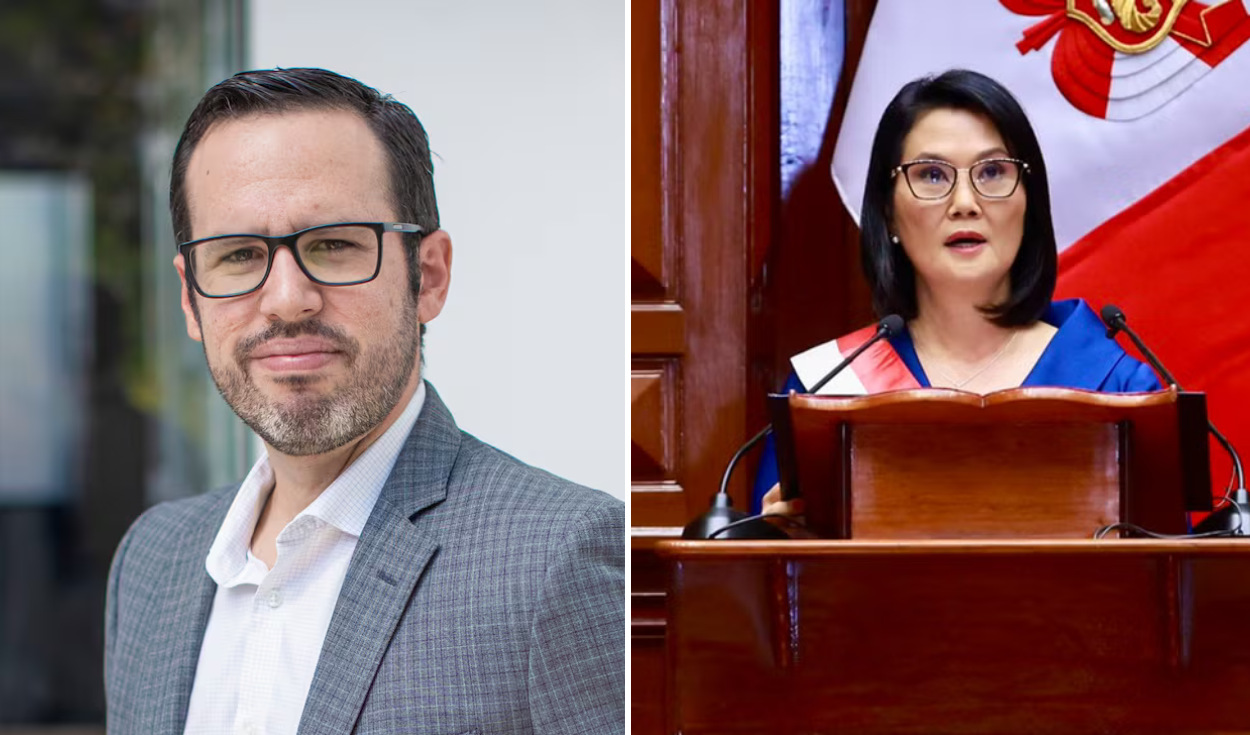
Diego Macera, a member of the Fiscal Council and the board of the Central Reserve Bank of Peru (BCRP), said he wishes the government of President Keiko Fujimori had never proposed the minimum wage increase, in comments to RPP.
Macera said the minimum wage does need some revisions, but mainly in the form of predictable updates, suggesting reviews every two years geared toward labor productivity and inflation. He said the wage increase could create more barriers to formalizing workers.
He also said the minimum wage should not be used as a political tool, saying that whenever a government needs a boost in popularity, it should not be able to raise wages.
Fiscal spending and pension law
Macera also addressed fiscal spending, backing the Executive Branch's plan to file unconstitutionality lawsuits against laws on CAS and CAFAE bonuses. He said that since last year, he and others had repeatedly warned about the costs of some of the rules Congress had passed, based on the Constitutional Tribunal's interpretation that Congress apparently did have the power to initiate spending.
On the law that raised retired teachers' pensions to 3,500 soles, Macera said it creates inequity compared with what professionals in other fields will receive. He said a nurse or a prosecutor who paid into the ONP pension system would earn 600 soles, calling the five- to six-fold gap unjustified.
Gradual wage increase planned
Days earlier, Economy Minister Elmer Cuba said the wage increase would be carried out in two installments, the first of 100 soles and the second of 70 soles. He said the government's decision aimed to improve the purchasing power of minimum-wage earners, and that the gradual approach was meant to prevent the increase from affecting inflation or the costs of small businesses.
Cuba said the increase would come with a one-time compensatory bonus for micro and small businesses, intended to help them bring workers into formal employment and manage the higher labor costs responsibly.