The Iranian rial fell to a new record low past 2.5 million per US dollar in Tehran on September 29 as economic pressure worsened.
Data from exchange rate tracking website Pashizi showed the American dollar trading at 2.542 million rials on Iran's free market. That marked a 3.84 percent increase over the previous day, after reaching a daily peak of 2.548 million rials.
Turkish state news agency Anadolu Agency reported the historic drop, which followed a previous low on September 28 when the dollar reached 2.4 million rials. The sharp decline comes against a backdrop of severe American economic sanctions and chronic inflation.
Sanctions and Military Supply Chains
Iran's national currency, the rial, has experienced continuous depreciation since joint American and Israeli military strikes began in February. A naval blockade enforced by the United States has placed further strain on the Middle Eastern country's trade and economy.
The administration of US President Donald Trump intensified pressure on September 29 by imposing sanctions on 10 individuals and entities located in Hong Kong, Pakistan, and other jurisdictions. American officials accused the targets of acquiring weapons and military components for the Iranian Ministry of Defense.
US authorities stated that the sanctions aim to disrupt Tehran's efforts to reconstruct its defense infrastructure and to raise financial costs for third party procurement networks.
Oil Revenue Slump and Internal Crisis
The Iranian economy was already struggling prior to the outbreak of hostilities due to years of US trade restrictions, systemic corruption, and high inflation. As a major Middle Eastern oil producer, the Islamic Republic relies heavily on petroleum exports for national revenue, making the recent decline in oil earnings a major blow to state finances.
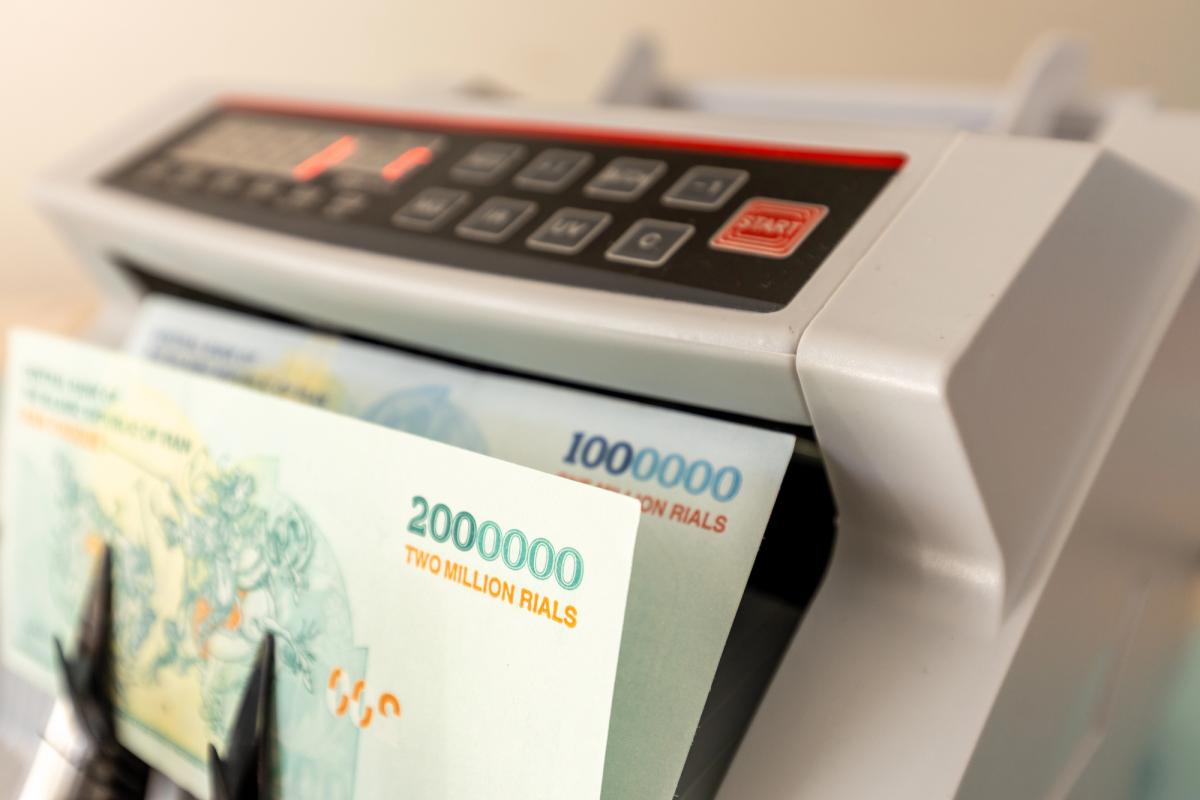
Economic strain led monetary authorities to issue a 10 million rial banknote in March, the largest denomination in the history of the currency. Analysts cited the note as clear evidence of deep economic distress.
The crisis has directly impacted daily life across the nation. In August, a widespread fuel shortage caused long lines of motor vehicles at petrol stations throughout the capital city of Tehran.
Iranian President Masoud Pezeshkian previously noted that selling domestic fuel at subsidized prices below international market rates creates a severe burden on government funds. Pezeshkian explained that those state resources are urgently required to subsidize essential food supplies and support domestic workers.