

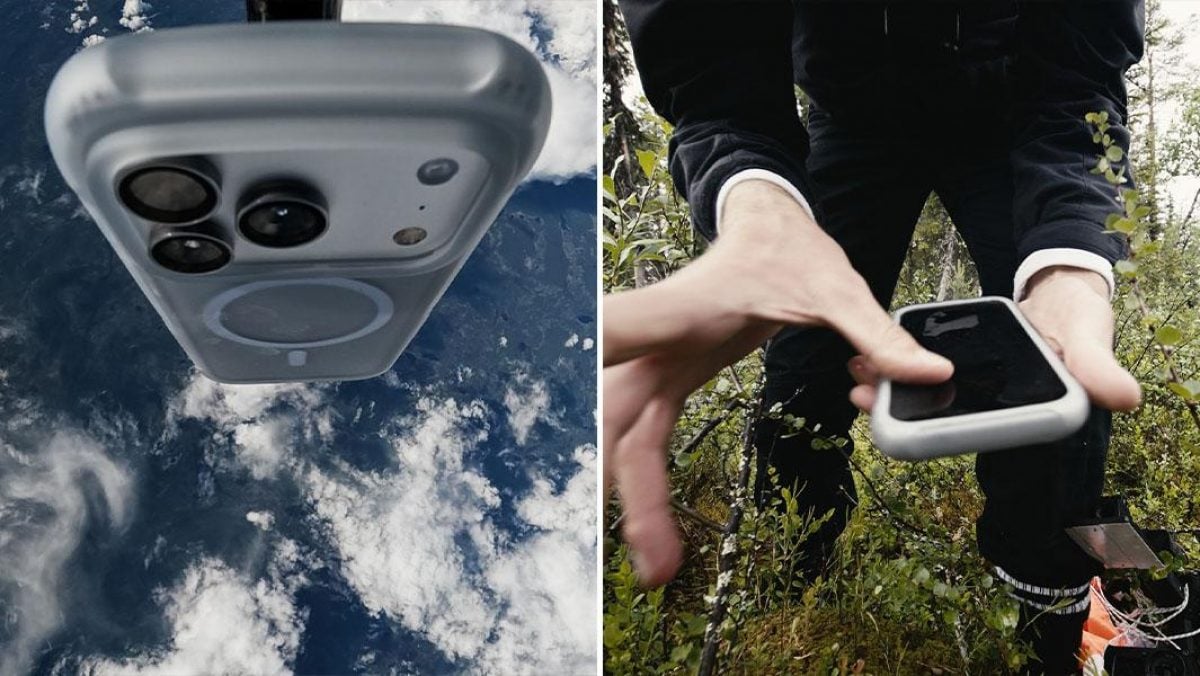
An iPhone 17 Pro has survived a fall from a height of more than 30 kilometers after being dropped from the stratosphere over Sweden. The device landed in an uninhabited area and remained fully operational, with the achievement officially verified and entered into Guinness World Records.
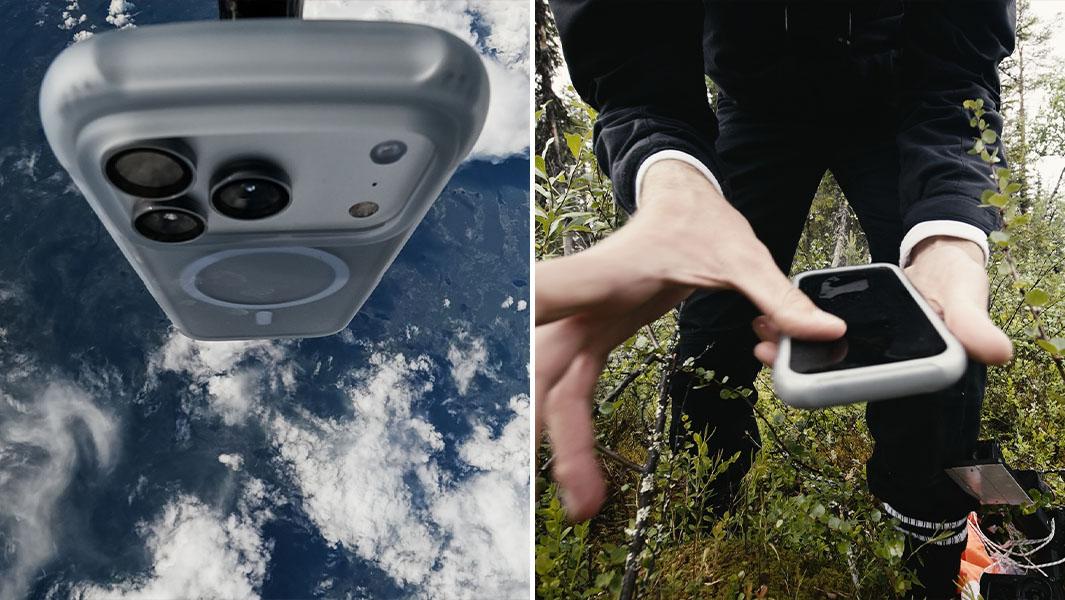
The high-altitude durability experiment was organized by protective case manufacturer Rhinoshield in collaboration with space marketing company Sent Into Space, as reported by tech publication PiataAuto.md. Testing engineers fitted a brand-new iPhone 17 Pro into a specialized protective enclosure known as the Rhinoshield AirX.
Sent Into Space specializes in launching commercial payloads into the upper atmosphere using high-altitude balloons. The stratosphere, located above the troposphere, begins roughly 12 kilometers above Earth and presents extreme physical conditions, including near-vacuum air density and severe sub-zero temperatures that test the structural resilience of electronic hardware.
Engineers designed the AirX case by drawing inspiration from structural safety concepts used in the automotive industry, specifically vehicle crash tests. Modern automobiles feature designated deformation zones built to absorb and dissipate kinetic impact energy, while a rigid central passenger cabin protects occupants. The protective case replicates this system through a tough inner structural frame coupled with outer impact dissipation elements.
Rhinoshield stated that adapting automotive safety principles helped direct impact force away from the delicate internal components of the smartphone. The company claimed that the design reduced total impact energy by 81 percent compared to standard protective phone cases, making the stratospheric release the ultimate test of its performance.
Balloon ascent and retrieval in Sweden
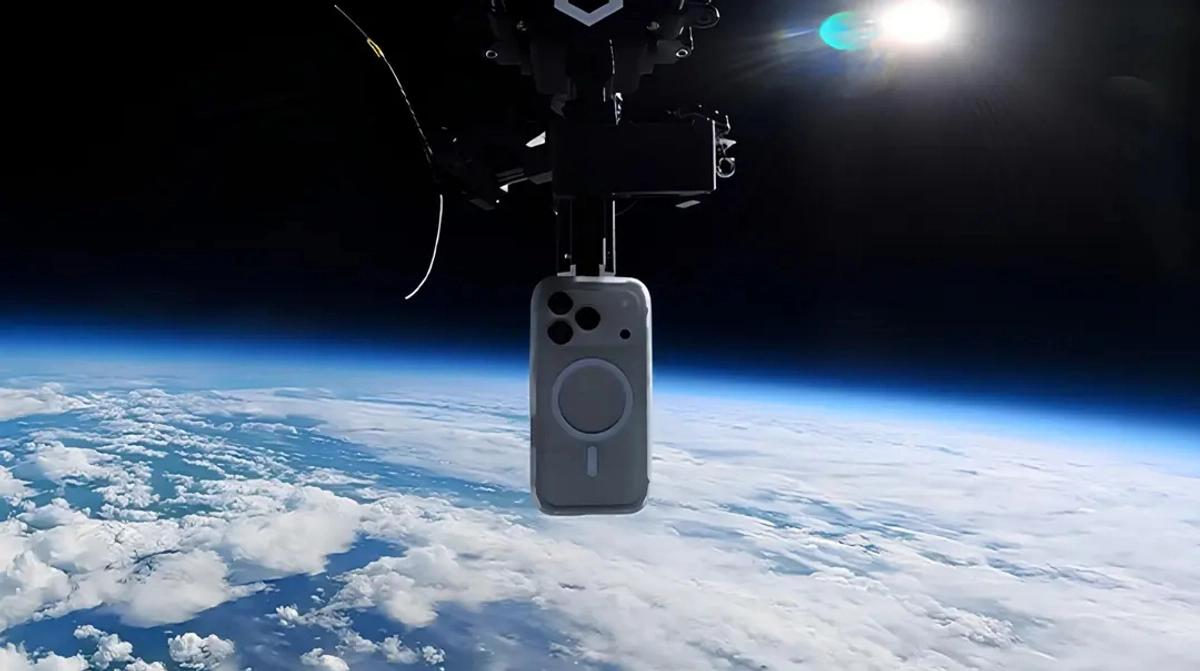
To execute the experiment, organizers attached the smartphone to a specialized high-altitude balloon capable of climbing above 30 kilometers. Once the payload reached the target height in the stratosphere, the device was released toward the ground without any tether or parachuting safety mechanism. Strong lateral winds pushed the phone off its intended path, requiring a five-hour search to locate it.
Despite dropping from space-like altitudes, the recovered iPhone 17 Pro showed no fatal damage. Organizers confirmed that the protective case absorbed the impact entirely, leaving the outer chassis unharmed and keeping the display glass intact without a single crack.
The survival of the handset relied partly on fundamental physical principles governing falling objects. Weighing approximately 204 grams with a compact surface area, the smartphone experienced atmospheric drag that prevented infinite acceleration. Atmospheric friction limits falling mobile phones to a terminal velocity between 60 and 70 kilometers per hour, though speed can briefly reach 100 to 120 kilometers per hour during specific trajectory phases.
The complete descent lasted approximately 25 minutes, with the handset traveling at an average speed of roughly 73.5 kilometers per hour. Beyond surviving the violent collision with the ground, the handset also endured environmental extremes during its transit through the upper atmosphere, where temperatures plummeted to minus 60 degrees Celsius.
Following the successful recovery and physical inspection of the working handset, Rhinoshield and Sent Into Space earned an official Guinness World Record. The organization recognized the attempt as the highest drop of a mobile phone in a case onto natural terrain.
Durability history and hardware construction
Extremely high falls involving smartphones have previously captured public attention. A widely circulated online story detailed an earlier incident where an iPhone accidentally fell from an airplane at an altitude of 5 kilometers, landed on the ground, and continued operating without any screen scratches.
Hardware durability experts have also highlighted the structural build of Apple flagship devices. Popular technology reviewer JerryRigEverything, who conducts professional destruction tests on consumer electronics, singled out the iPhone 17 Pro and 17 Pro Max in his 2025 hardware summary. He noted that the flagship devices represented the neatest models on the consumer market in terms of internal layout and component assembly.



