Swedish defense contractor Saab has unveiled a full-scale mockup of the A3-001, a stealthy and autonomous supersonic fighter aircraft concept, at Malmen air base in Sweden. The uncrewed aircraft is designed to fly ahead of piloted fighter jets into radar-heavy combat zones to carry out high-risk missions.
The aircraft concept is intended to serve as an uncrewed operational partner for Saab's Gripen fighter jets during electronic warfare operations, air defense neutralization, and precision attack strikes.
Saab presented the physical mockup to showcase how future uncrewed systems could operate alongside human pilots rather than replacing them entirely. Company officials emphasized that the aircraft is currently a concept model and not yet a flight-ready plane.
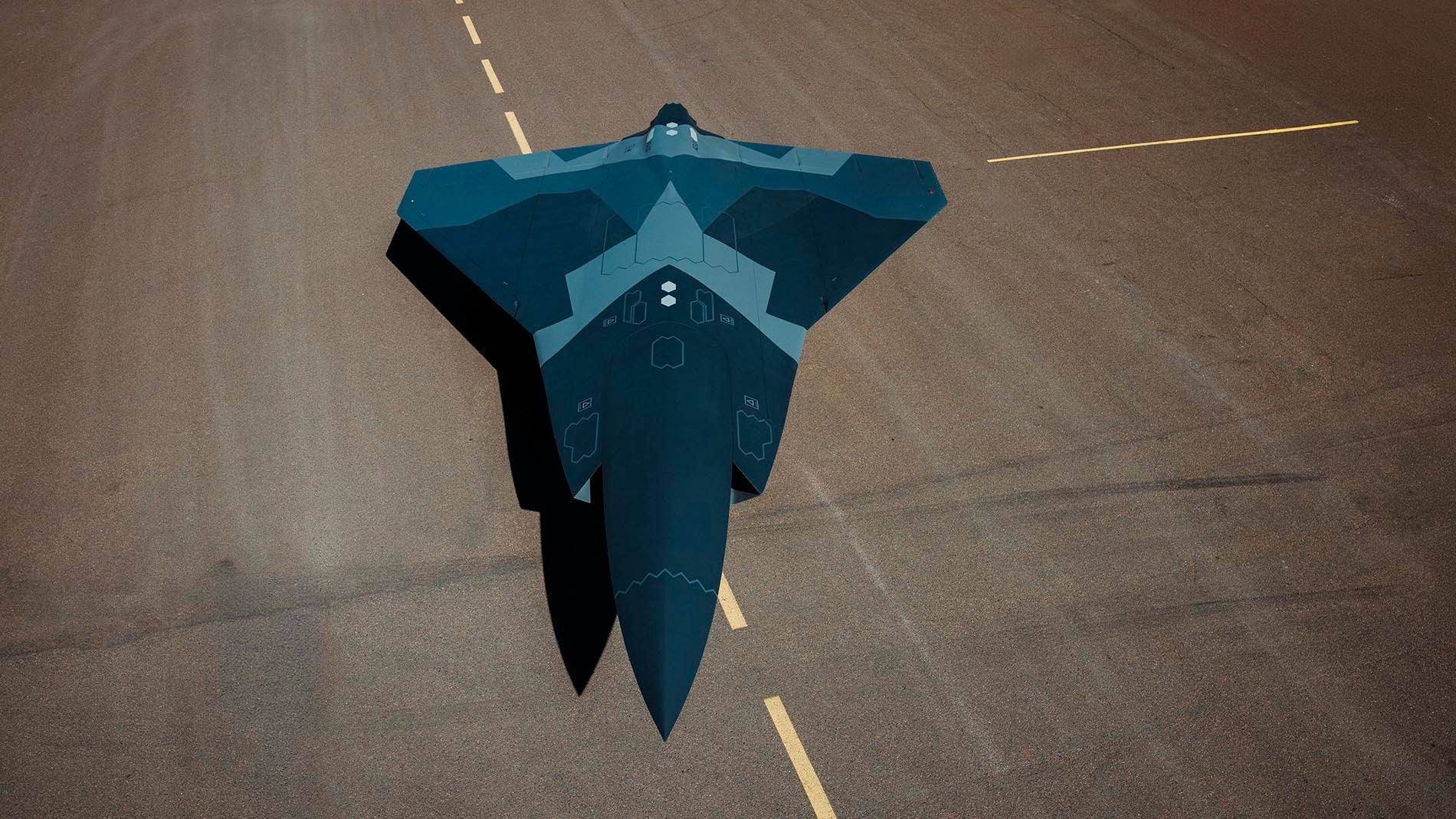
The A3-001 features a tailless aircraft configuration with specialized geometry designed to minimize its radar cross-section and hinder detection by opposing air defense systems. Saab has not yet published definitive specifications regarding the aircraft's physical dimensions, overall weight, maximum flight speed, or final powerplant selection.
Peter Nilsson, the head of Advanced Programs at Saab, explained that the design aims to combine low radar observability with supersonic speed capability. Nilsson noted that engineers are considering an engine variant related to the powerplant currently equipped on the Gripen E fighter jet.
Role in modern aerial combat
Under the operational concept outlined by Saab, the autonomous aircraft would enter dangerous airspace ahead of crewed fighters to detect incoming threats and locate enemy air defense positions. The A3-001 would deploy onboard sensors close to defended areas and transmit real-time tactical information back to trailing Gripen aircraft.
By delegating initial surveillance, radar jamming, and precision strikes to an uncrewed platform, human pilots can remain at a safer standoff distance while the autonomous aircraft absorbs the initial operational risks.
Saab, headquartered in Linköping, Sweden, is a major European defense manufacturer best known for producing the JAS 39 Gripen multirole fighter jet. The Gripen line has evolved through several generations, including the two-seater Gripen F variant developed in collaboration with the Brazilian Air Force.
The concept of pairing crewed combat aircraft with autonomous uncrewed partners, often referred to in defense technology as loyal wingmen, represents a growing trend in modern military aviation. These uncrewed combat platforms use advanced software and stealth airframes to augment the sensor reach and firepower of traditional manned flight formations.
Development roadmap and timeline
Saab is not intending to proceed directly from the current full-scale mockup to a finished production combat aircraft. Instead, the aerospace manufacturer is conducting research with multiple test demonstrators to evaluate different aerodynamic shapes, stealth materials, and autonomous software technologies.
The official timeline set by Saab calls for flying uncrewed test aircraft with capabilities close to those of a modern fighter jet before 2030.
If the Swedish government decides to move forward with the program, the operational A3 aircraft would represent a subsequent stage planned for development in the mid-2030s. Saab acknowledged that key parameters remain to be finalized in the coming years, including the engine selection, weapons integration, and total program costs.
The presentation at Malmen air base underscores Saab's strategic commitment to networked air combat where future Gripen fighters will not operate alone. By deploying autonomous stealth platforms to lead missions into contested airspace, the company aims to protect human pilots while maintaining air superiority.