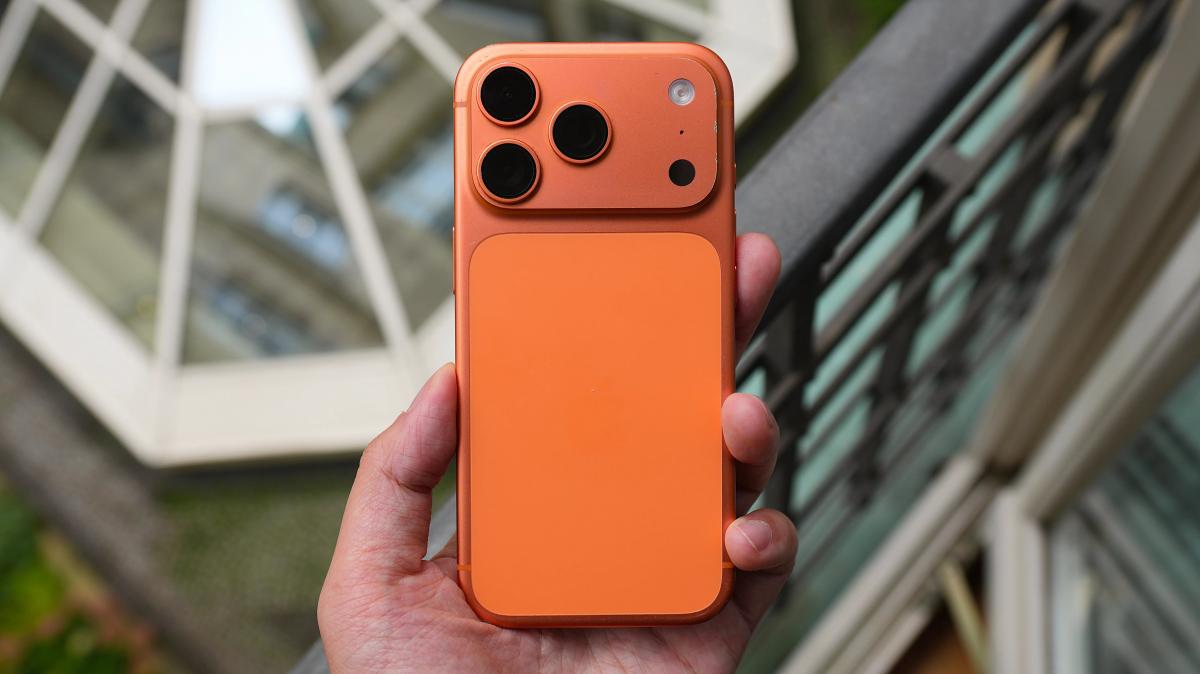
A journalist at technology news site ZDNET went a full year without a case on their iPhone 17 Pro to see how well Apple's new aluminum unibody design holds up to daily scratches, drops and general wear.
When Apple unveiled the iPhone 17 Pro, the company emphasized the phone's new single-piece aluminum frame and its improved durability. A promotional video showed the phone being dragged through metal keys, gravel and broken glass, a demonstration that drew more skepticism than admiration from viewers.
The ZDNET writer decided to put that claim to a real-world test rather than take Apple's marketing at face value.
Switching from a worn iPhone 15 Pro Max
Before starting the experiment, the author retired their iPhone 15 Pro Max, which after two years of use showed clear signs of age. Its blue titanium frame had lost its original color, the area around the camera lens had become scuffed, and the display had deep scratches that even a screen protector could not hide.
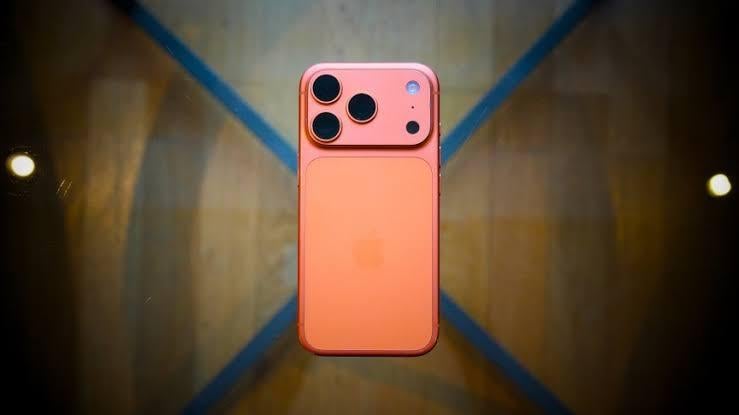
That earlier experience taught the writer that darker phone colors show wear far more obviously. On the blue and black models, even small scratches immediately exposed the bare metal underneath the paint. For the iPhone 17 Pro, the author instead chose Cosmic Orange, a brighter finish that, on paper, hides scuffs and fingerprints better.
Over the following year, the phone rode in jeans pockets, bags and backpacks, and fell several times onto carpet, wood flooring and concrete. That mix of everyday wear and accidental drops revealed which parts of the phone held up best.
Scratches on the display, but no cracks
After a year of use, the front glass had picked up noticeable scratches, deep enough that a screen protector could not have concealed them, though they never progressed to cracks.
The bottom corners of the display suffered the most. The author attributed this to wear on the oleophobic coating, the thin layer designed to resist fingerprints, which gradually wears away from constant contact with the palm during use.
The rest of the screen kept its original look, with the black display surface still appearing rich and deep. The writer concluded that a screen protector or tempered glass is still worthwhile even for anyone skipping a case.
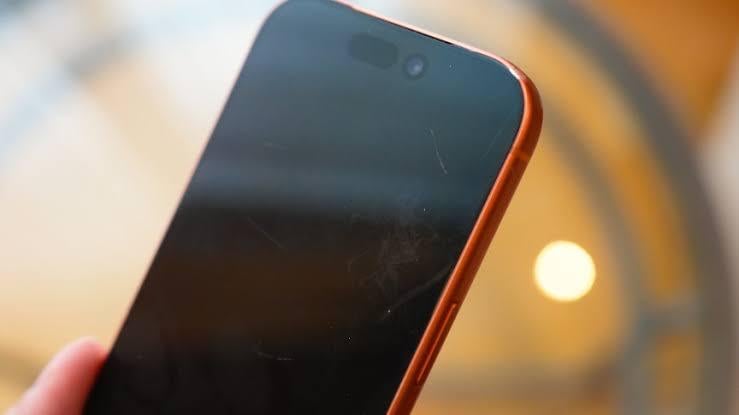
Despite several drops, including times the phone slipped out of the author's hand onto a sidewalk or slid off a table, the Ceramic Shield 2 front glass never cracked. The corners of the frame, however, picked up small dents.
The camera bump took the worst damage
The most vulnerable part of the phone turned out to be the camera housing. The edges of the raised camera bump chipped, exposing bare metal beneath the paint in places. The glass panel at the center of the back, by contrast, stayed in near-perfect condition.
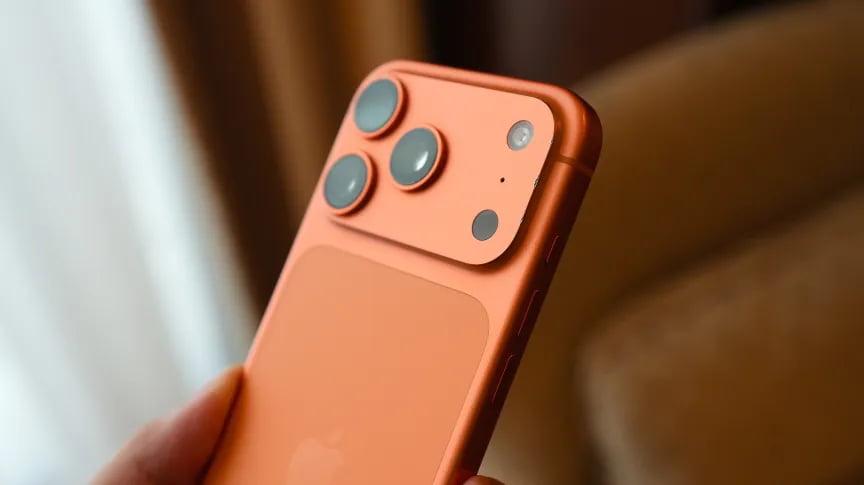
The rest of the aluminum body fared well overall. The buttons, ports and back surface showed no serious damage, suggesting the new one-piece design is more resistant to everyday wear than earlier models, even if it could not escape marks entirely.
Should you skip the case?
Having tested hundreds of phones made from different materials, the author said going without a case on an expensive phone is only advisable for someone with insurance or a repair plan such as AppleCare.
For most owners, even a thin case remains the better option. It does not need to be bulky, the author noted, since even a simple protective cover can prevent scratches and preserve a phone's appearance.
The experiment showed that the iPhone 17 Pro is sturdy enough to survive a year without protection, but it is not invulnerable.
Battery held up better than expected
Beyond the exterior, the author also tracked the battery's health. After nearly a year of use, the iPhone 17 Pro's battery retained 96% of its original capacity, a result the writer described as better than average for that length of use.
Day to day, the author tried to keep the charge level between 20% and 80%, avoiding full discharges and long stretches plugged in at 100%.
Battery life actually improved over time, the author noted, despite running the beta version of iOS 27. They suggested this could be linked to system optimizations and changes tied to the new Liquid Glass interface.
The report also referenced an earlier experiment by an iPhone 16 Pro Max owner, who spent a year capping their charge at 80% to observe the effect on battery health. Apple has said that limiting charging to 80% can delay the need for a battery replacement by a year or more.
What's next for Apple
Apple's presentation unveiling the iPhone 18 Pro, iPhone 18 Pro Max and a foldable iPhone is set for September 9 at 20:00 Kyiv time. The event is also expected to include announcements of the Apple Watch Series 12, Watch Ultra 4 and fifth-generation AirPods.