Researchers Gerard Marx and Chaim Gilon have detailed a biochemical memory model explaining why human recall relies on chemical processes rather than digital binary code.
The researchers from MX Biotech and the Hebrew University of Jerusalem in Israel developed the hypothesis, known as the Tripartite Mechanism of Memory, which they have refined for over a decade and published in the journal Acta Scientific Neurology.
While current artificial intelligence systems store and retrieve vast amounts of data using silicon processors, the study indicates that simply increasing computing power or parameters cannot replicate how the human brain retains experiences.
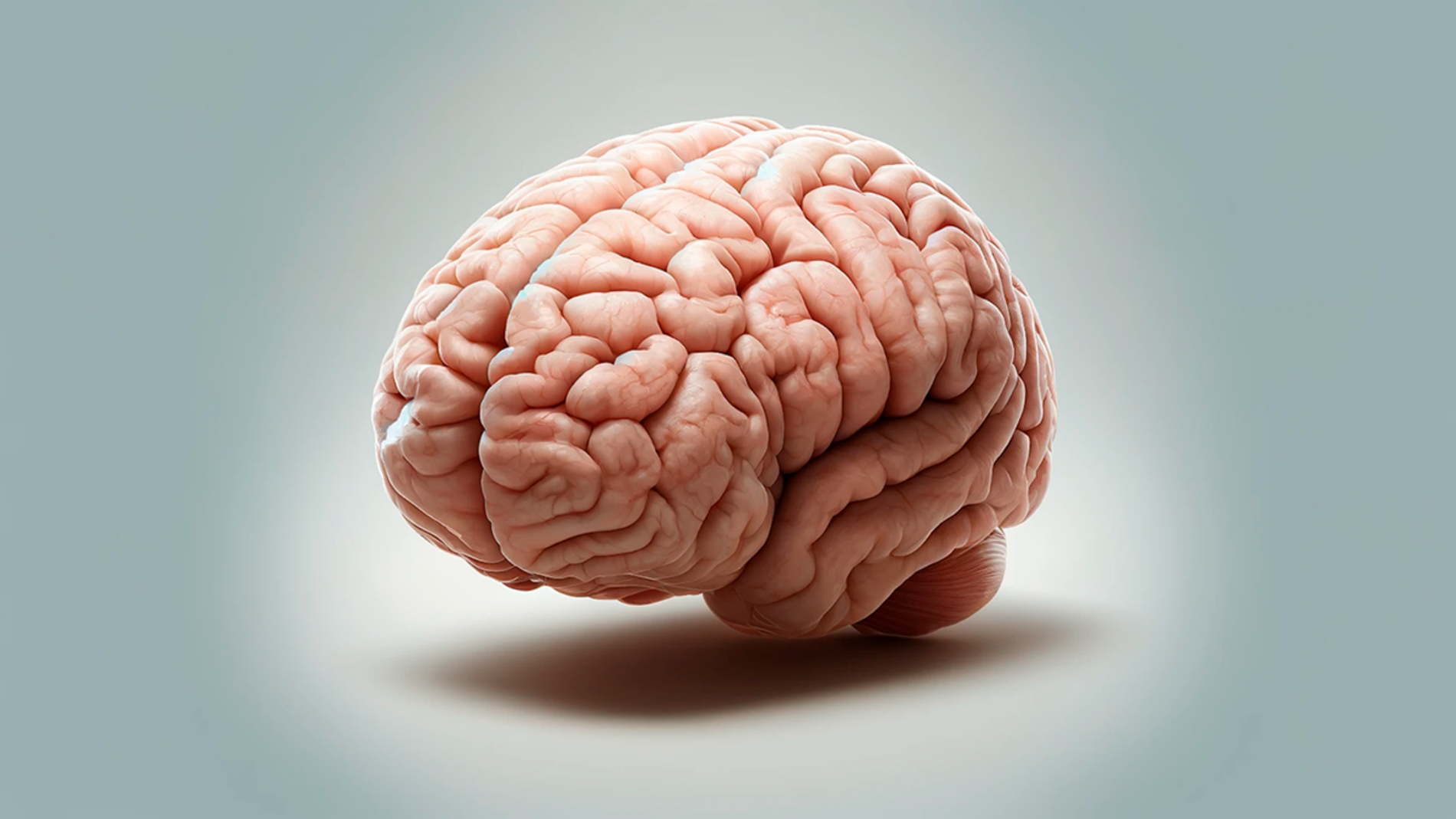
Computers process and store information using binary bits of ones and zeros managed by electronic circuits. In contrast, biological memory incorporates chemical interactions and emotional states that have no direct equivalent in computer hardware.
Biological components of human memory
According to the model, human memory relies on three interconnected components working together inside the brain. The first consists of neurons and non-neuronal glial cells known as astrocytes, which were historically viewed as passive support structures but are now recognized for active roles in learning.
The second component is the neuronal extracellular matrix, the molecular structure enveloping brain cells. The third component involves brain chemistry, where metal ions, neurotransmitters, and other surrounding molecules modify that matrix to encode stored information.
Marx and Gilon noted that human memories depend directly on the surrounding chemical environment and its ongoing physical changes. Research previously highlighted by Spanish news publication La Razón supports the view that biological memory uses complex molecular mechanisms rather than simple electronic on-off switches.
Artificial intelligence and energy efficiency
The researchers emphasized that saving raw data is fundamentally different from converting an experience into a memory. While artificial intelligence models maintain context and retrieve stored files, their underlying silicon circuits lack the affective dimensions supplied by neurotransmitters.
Energy efficiency highlights another major distinction between biological brains and synthetic systems. Modern artificial intelligence requires large data centers and massive amounts of electricity, whereas the human brain operates on very low power consumption.
This stark energy gap has driven the development of neuromorphic computing, an engineering field that designs specialized computer chips to emulate biological neural networks.
Implications for the future of computer chips
The proposed model does not prove that artificial intelligence has an insurmountable limit, nor does it establish that machine memory can never mimic biological processes or that human consciousness depends solely on these chemical mechanisms.
Instead, the findings challenge the assumption that expanding transistor counts and computational parameters will automatically generate human-like memory. The authors concluded that the human brain performs complex chemical functions that current silicon microchips do not attempt to imitate.