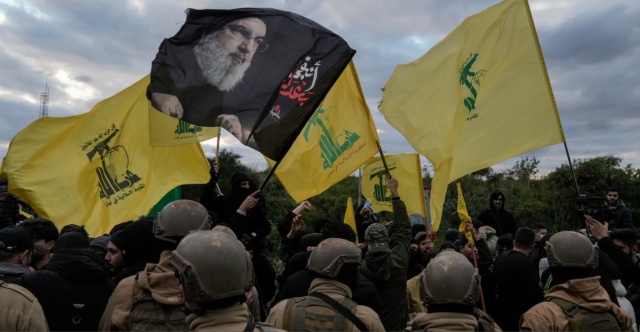
Hezbollah leader Naim Qassem has rejected a framework agreement between Lebanon and Israel, declaring that the militant movement will not hand over its weapons despite being weakened by two wars with Israel since 2023.
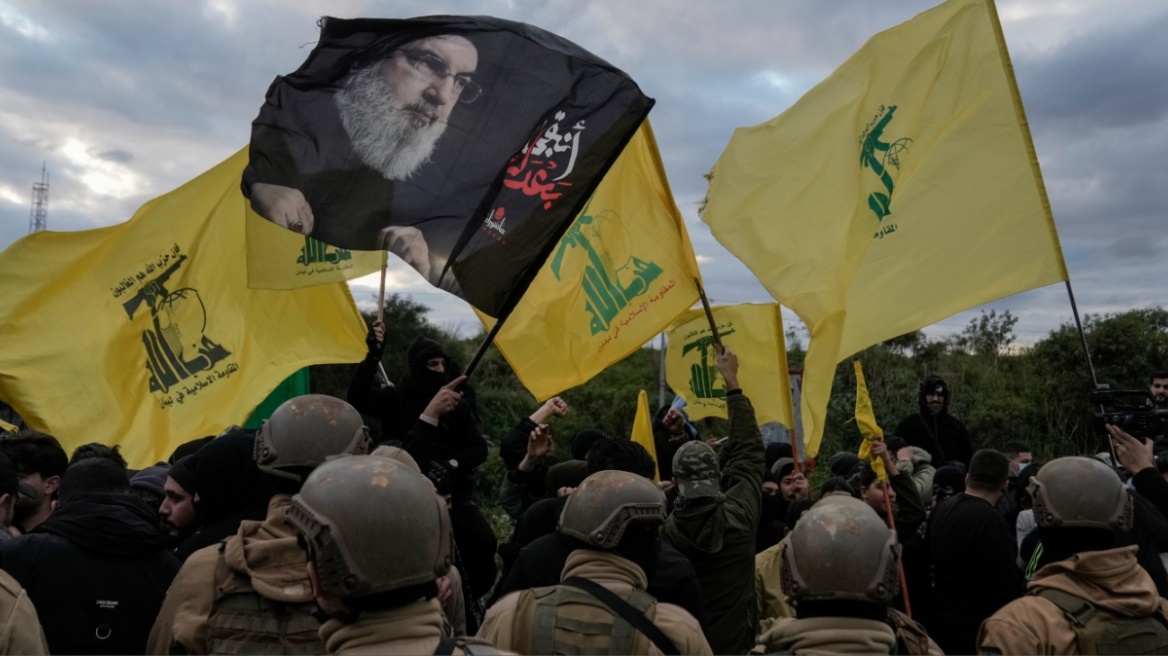
Speaking in a televised address broadcast on Friday evening by Hezbollah television station Al Manar, Qassem described the deal as illegal, unfair, and humiliating, calling for the agreement to be abandoned entirely.
The framework agreement, signed on June 26 under the auspices of the United States, sets out a plan for the Lebanese army to regain control of territory in southern Lebanon. Under the terms of the proposal, Hezbollah would disarm initially within designated pilot zones, after which Israeli military forces would withdraw from those areas.
Qassem rejected both the establishment of the pilot zones and any subsequent steps resulting from their creation. He stated that the agreement damages Lebanese national sovereignty and fails to restore the country's rights.
Verification Committee and Rome Negotiations
Hezbollah also rejected the planned verification committee tasked with supervising the implementation of the agreement and monitoring Hezbollah's disarmament. Qassem confirmed that the group refuses to cooperate with any such monitoring body.
Lebanon and Israel held talks in Rome in early August to discuss which nations could participate in the verification mechanism. According to an Agence France-Presse report citing a source in the Lebanese presidency, the committee is intended to oversee the deployment of the Lebanese military in the pilot zones and monitor the destruction of Hezbollah weapons and military infrastructure.

A new round of negotiations between Lebanese and Israeli officials is scheduled to take place in September, although no specific date for the meetings has been announced.
Origins of Conflict and Regional Escalation
The latest conflict erupted on March 2 when Hezbollah launched rocket attacks against Israel, leading to accusations that the group had dragged Lebanon back into a wider regional war. Hezbollah presented the strikes as retaliation for the death of Iranian Supreme Leader Ali Khamenei, who was killed on February 28 during the first day of US and Israeli bombardments against Iran.
Israel responded to the rocket fire with heavy air strikes and a ground invasion of southern Lebanon. More than 4,300 people have been killed in the military operations, according to authorities in Beirut, while extensive destruction has been recorded across large areas of southern Lebanon.
Hezbollah is an Iranian-backed Shiite political party and armed organization based in Lebanon. The group has fought multiple conflicts with neighboring Israel across their shared border, which has remained a focal point of regional military confrontation for decades.
Continued Bombardment in Southern Lebanon
Tensions initially eased following an agreement in principle between the United States and Iran, followed by the signing of the bilateral framework deal between Lebanon and Israel in June. However, Israeli bombardments in Lebanon have continued and have intensified in the southern region in recent days.

Lebanese health authorities reported that a woman was killed in a recent Israeli strike in southern Lebanon as military operations continue. Israeli forces remain in control of a section of southern Lebanon that Israel designates as a security zone.
Hezbollah has not claimed responsibility for any attacks against Israeli forces for more than two months. However, Qassem emphasized that the pause in claimed attacks does not signal an intention to surrender positions or accept disarmament, stating that Hezbollah keeps its head high and refuses to surrender.