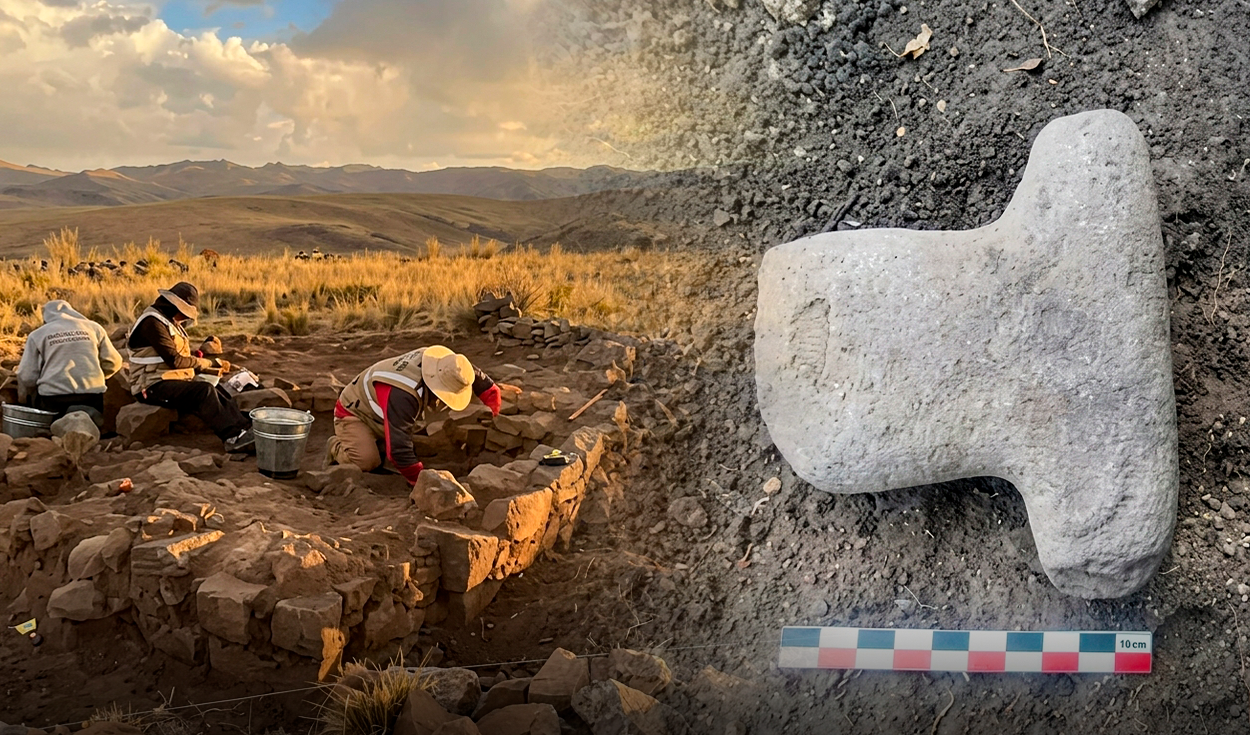
Archaeologists from the Santiago Antunez de Mayolo National University have discovered housing enclosures, production areas and religious spaces belonging to the pre-Inca Huaylas culture in the Cordillera Negra mountain range of northern Peru.
The site was unearthed at an altitude of 4,200 metres above sea level in the Ancash region, revealing how this mountain community managed livestock herding, domestic life and sacred rituals during the Late Intermediate Period.
The research project, led by university professor Ilder Cruz Mostacero, excavated human bone fragments, local animal remains, red pigment, stored foodstuffs and textile processing tools. State news agency Agencia Andina reported that the team aims to reconstruct the daily routines of the ancient population, as well as its later interactions with the Inca Empire and early Spanish colonial society.
Domestic structures and high-altitude farming
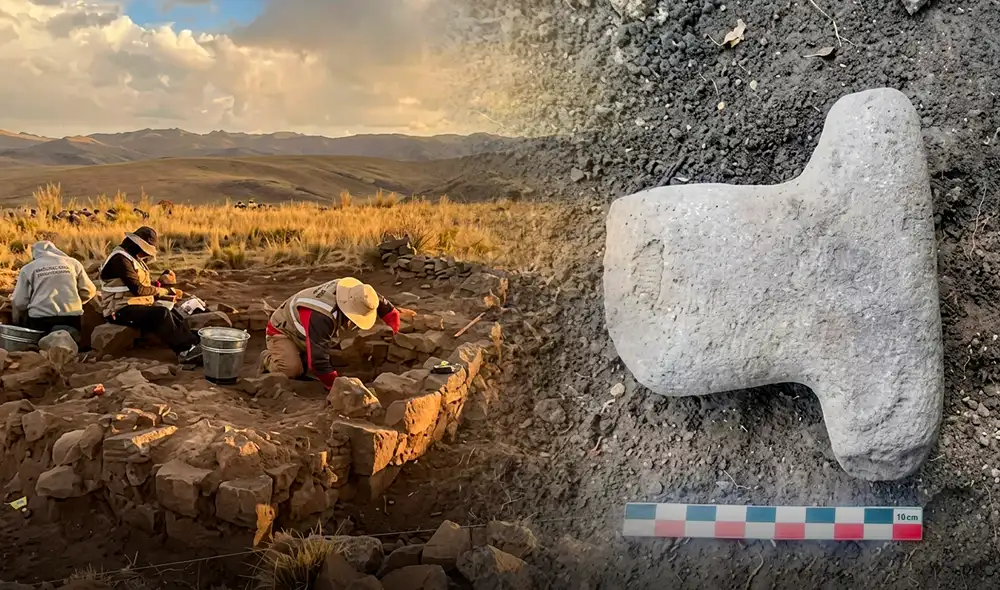
Excavations across three distinct sectors of the Ancash archaeological complex uncovered pastoral residential areas complete with stone housing and storage facilities. Cruz told Agencia Andina that researchers identified evidence of complete domestic routines, including spaces where herders lived and stored their goods.
Among the domestic structures, excavators uncovered a kitchen featuring a stone-paved storage pit constructed directly over bedrock. Inside the pit, archaeologists recovered preserved maize and charred oca, a native Andean root tuber widely cultivated for food in South America.
The presence of maize at an elevation of 4,200 metres surprised researchers, as the crop cannot grow at such high altitudes in the Andes. In addition to plant remains, the team retrieved decorated spindle whorls used for spinning yarn, stone tools for processing wool, and projectile points crafted from rhyolite.
Because rhyolite is a volcanic rock not found in the immediate local geology, researchers concluded that the community obtained the material through long-distance exchange networks or transport from remote territories.
Funerary caves and ceremonial plazas
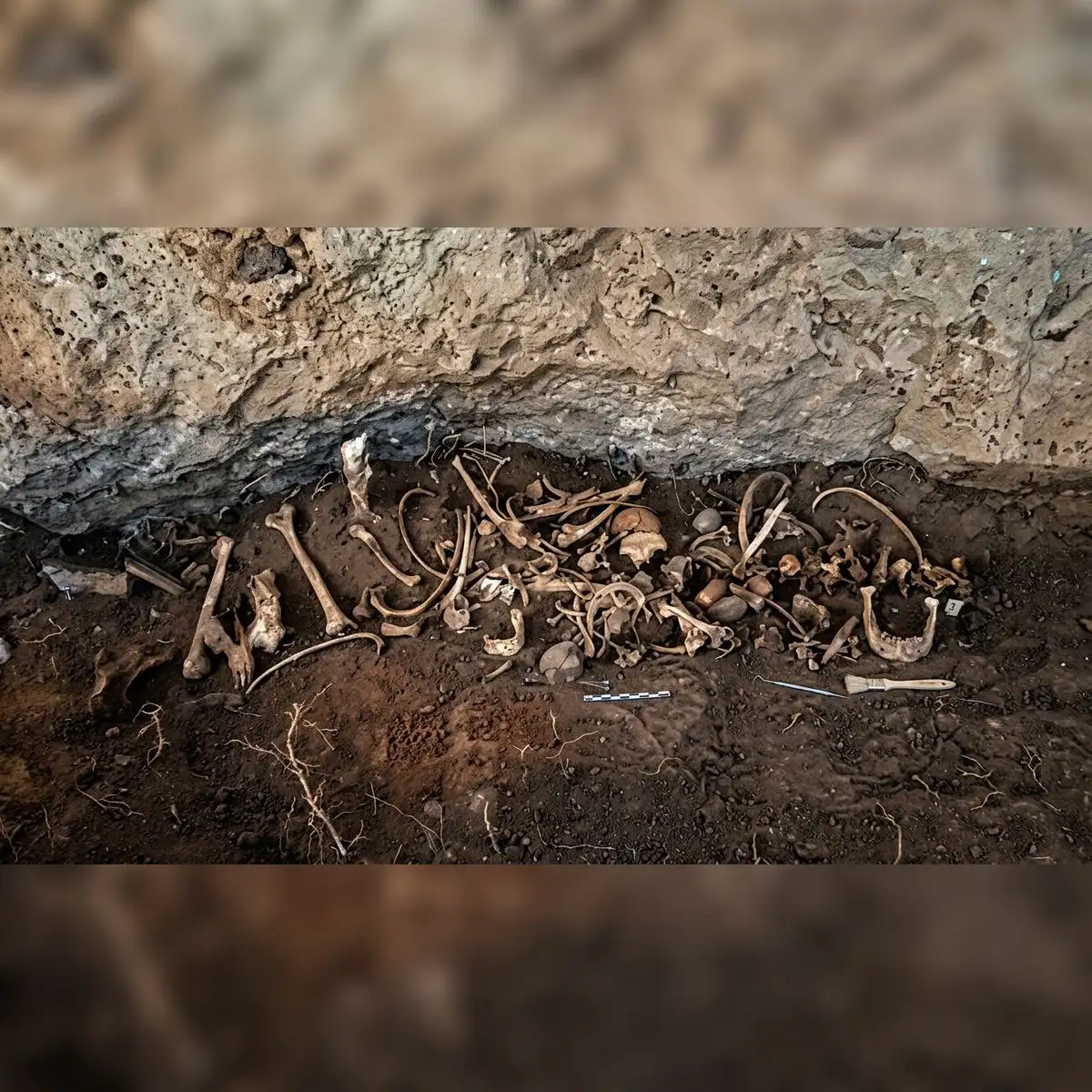
In the funerary sector of the complex, archaeologists discovered a secondary burial site inside a natural rock shelter decorated with red paint. The tomb contained fragmented human bones, including jawbones and femurs, placed alongside camelid skeletons.
Nearby, the team identified several expansive structures that were completely devoid of manufacturing debris or domestic waste. Cruz explained that the clean condition of these buildings indicates they were not used for production or residence, proposing instead that they functioned as communal ceremonial plazas.
The overall site layout reflects a complex system of spatial planning. Designated sectors for burial, religious worship, administration and living quarters were organized alongside processing workshops, livestock corrals and planned avenues, demonstrating how pre-Inca populations structured high-altitude mountain landscapes.
Trade networks and colonial displacement
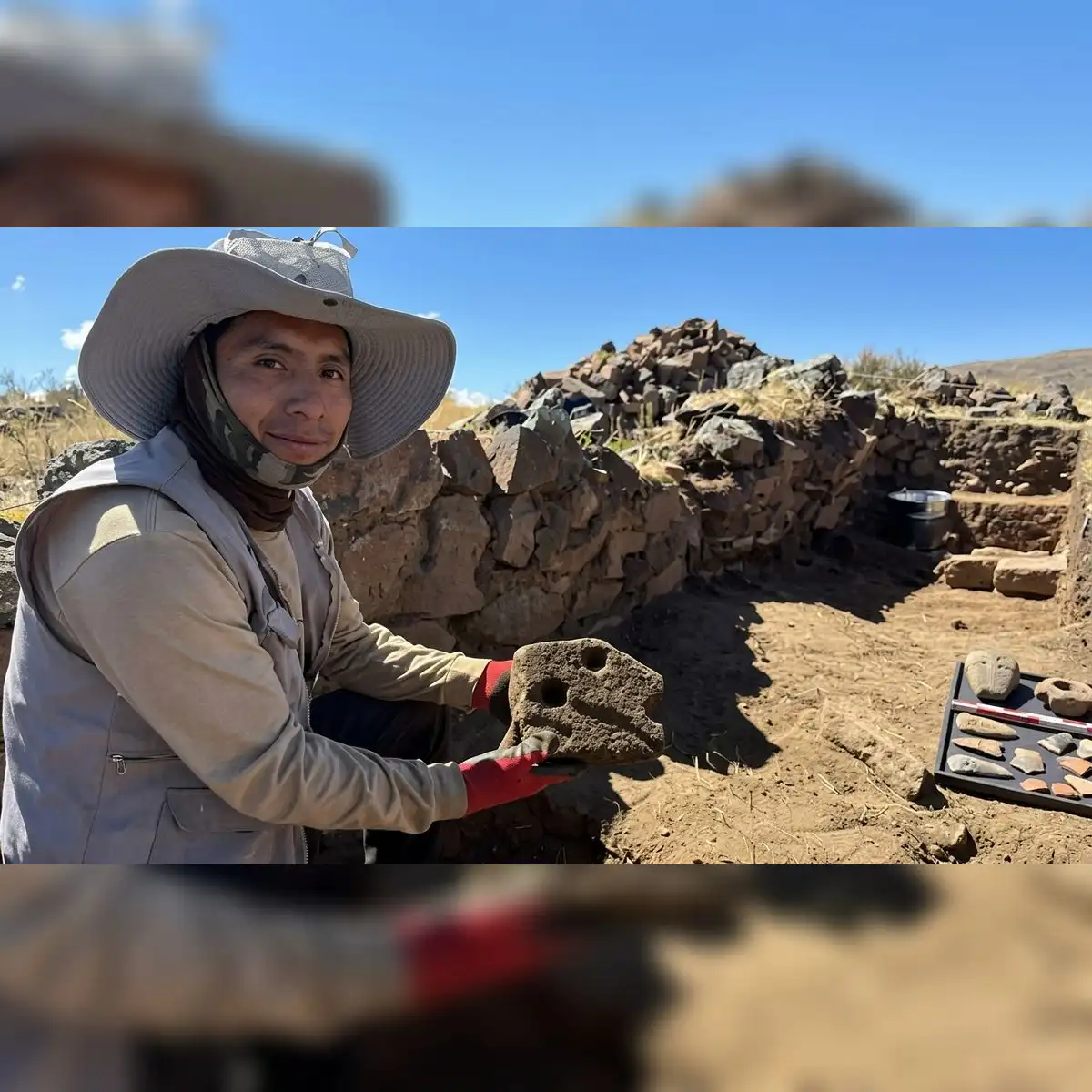
The discovery of lowland foodstuffs reinforces evidence of active trade across different ecological zones of the Andes. Researcher Pablo Cruz suggested that pastoral groups periodically descended the mountain slopes to trade meat, wool and processed fibres in exchange for agricultural crops that could not grow at high altitudes.
The archaeological record shows a continuous sequence of human occupation extending across centuries. Artefacts recovered at the complex range from early Huaylas pottery to Inca ceramics, including traditional narrow-necked jars known as aryballos, as well as colonial items dating up to the 17th century.
According to state reports, this long history of continuous settlement ended during the Spanish colonial period. Forced population resettlements, known as reducciones, combined with Catholic evangelisation drives, compelled the inhabitants to abandon their high-altitude homes and relocate to lower river valleys.
Archaeological work at the Ancash site remains active, with researchers continuing to investigate how social organization in the region evolved from pre-Columbian times into the Spanish viceroyalty.