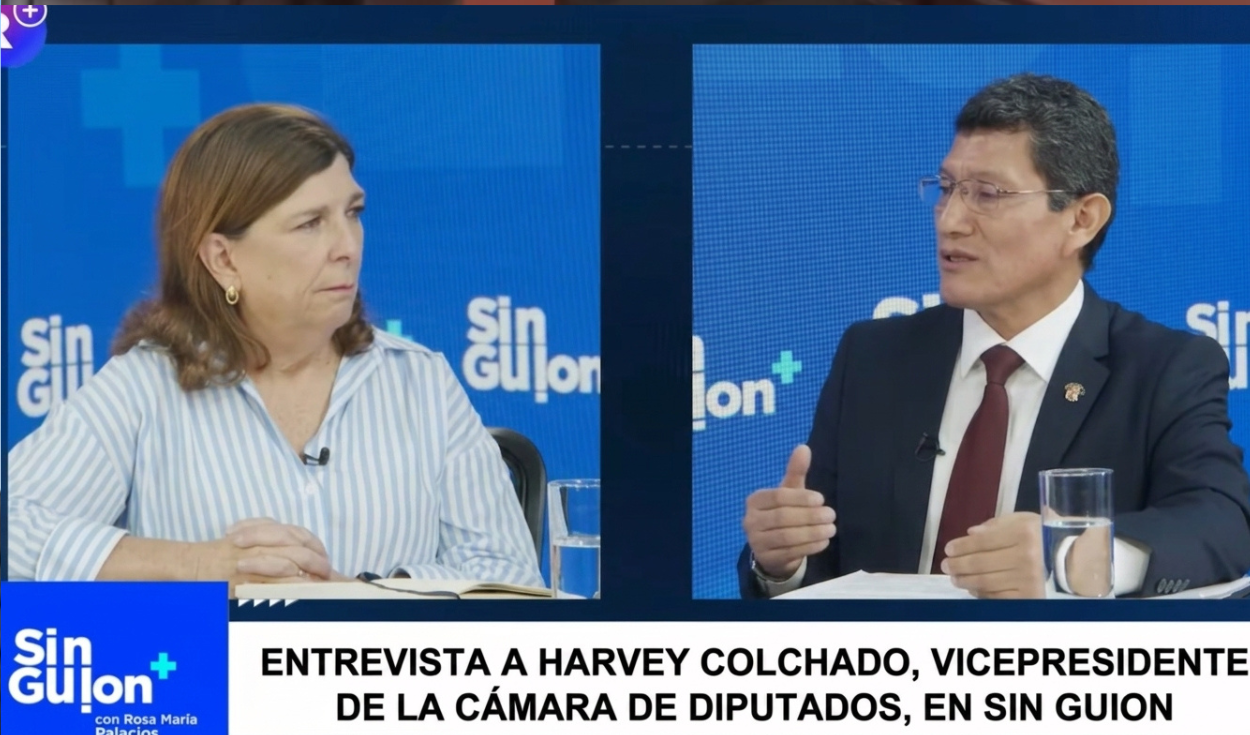
Peruvian congressman Harvey Colchado has questioned how the National Police of Peru allocates funds to combat extortion, stating that local criminal investigation units have no budget for basic intelligence operations.
Colchado, a member of the Ahora Nacion party and former head of the High Crime Investigation Division, made the claims during an interview with journalist Rosa Maria Palacios on the program Sin Guion.
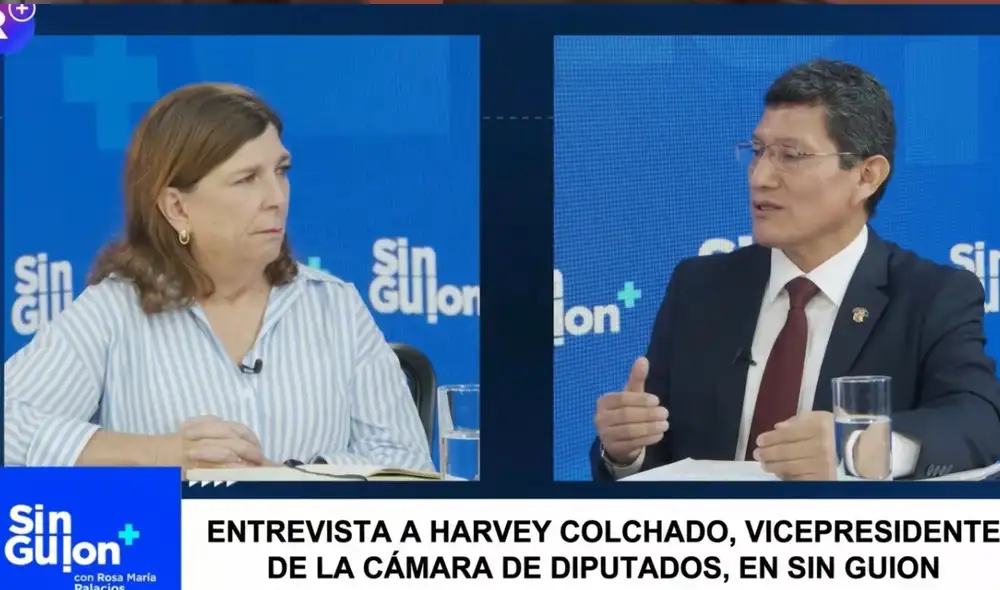
He explained that district-level criminal investigation departments do not receive money for intelligence work, internet connectivity, or basic office supplies such as paper. He added that officers are forced to collect money among themselves to repair police vehicles and cannot pay informants who offer critical details on criminal gangs.
Lack of funds for district police units
Describing a recent visit to police stations in Lima's Cono Norte district, Colchado cited a case where officers identified five suspects involved in a homicide. The prosecutor in the case requested hidden camera surveillance to conduct topometric comparison, but the police lacked the money to install hidden cameras at the suspects' residences.
The High Crime Investigation Division, known as Diviac, is a specialized division of the National Police of Peru established to investigate complex organized crime, extortion networks, and high-level corruption. The Peruvian police force, known as the PNP, operates under the jurisdiction of the Ministry of the Interior.
Central intelligence budget and technology
Colchado contrasted the shortage of funds at the local level with a central intelligence budget of between 80 million and 120 million dollars. He accused PNP Commander General Oscar Arriola of failing to invest those central funds into essential technology needed to combat extortion rings.
According to Colchado, software required to intercept social media communications costs 30 million dollars, but top police leadership has not purchased the system despite having sufficient resources.
He called on the Minister of the Interior to intervene, stating that General Arriola had demonstrated incompetence. He urged ministry leadership to ensure intelligence resources are distributed down to field officers, including third-class sub-officers and lieutenants who carry out operational work.
Recalling his past experience working in the Anti-Drug Directorate alongside the United States Drug Enforcement Administration, as well as his leadership at Diviac, Colchado noted that intelligence funds were delivered on the first or second day of each month. He said field officers should not have to wait until the end of the month or pay operational expenses out of their own pockets before seeking reimbursement.
Oversight and upcoming ministry meeting
Colchado stated that he will present his findings to the Minister of the Interior on Thursday to clarify whether the ministry is aware of the unspent intelligence funds and the lack of equipment purchases under General Arriola's administration.
He acknowledged that as a member of Congress his official role is limited to legislation and parliamentary oversight rather than executive management. However, he said he would continue pushing for solutions as police officers work without days off to combat crime with limited resources.