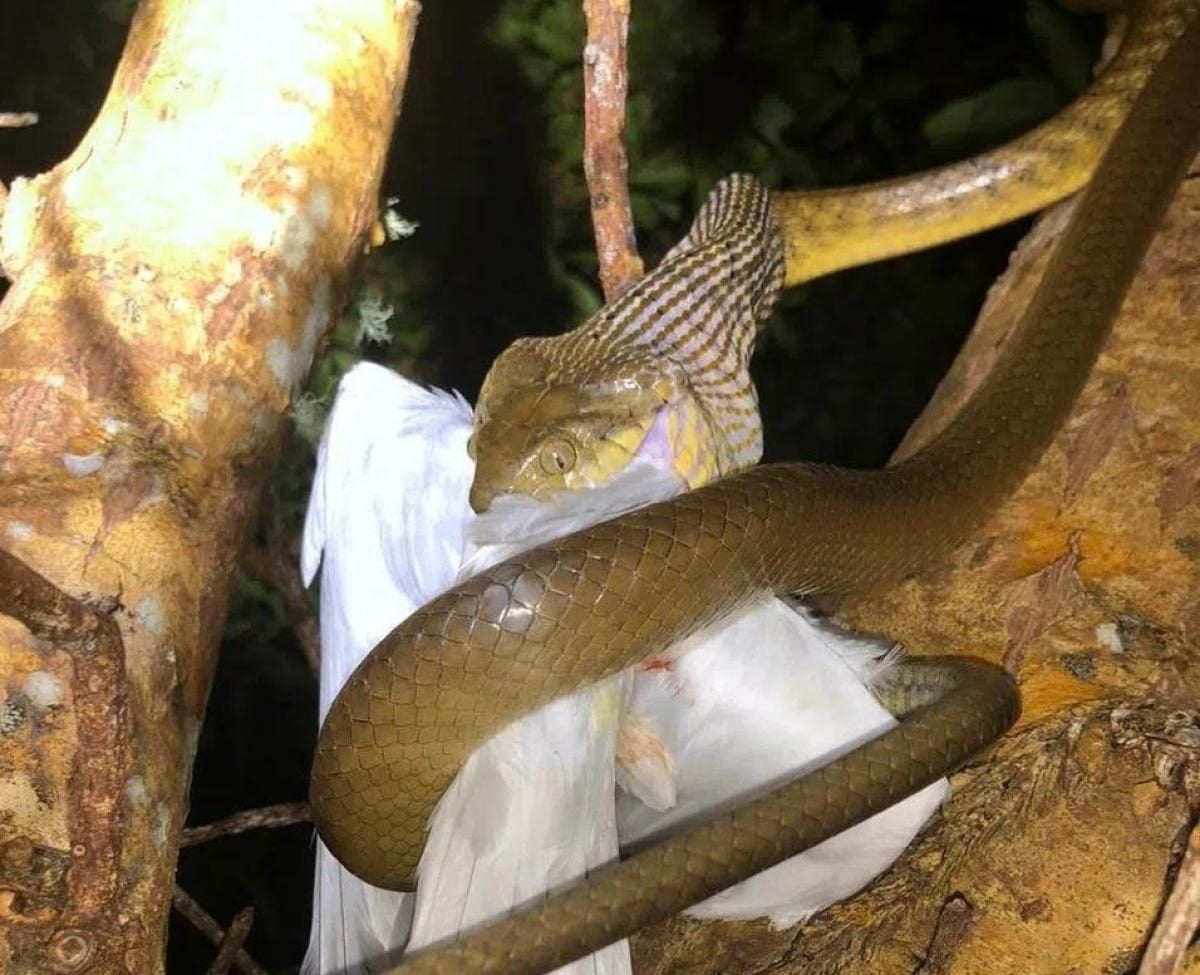
A small group of brown tree snakes that invaded Guam after World War II thrived through hidden genetic diversity, according to researchers.
A few brown tree snakes, which are hunted by some mammals, triggered one of the most destructive wildlife invasions on the island, Daily Galaxy reported. Scientists now have a clearer picture of how the reptiles succeeded despite arriving in small numbers.
The brown tree snake, known scientifically as Boiga irregularis, is native to Australia and the South Pacific. It likely arrived on Guam hidden aboard military cargo aircraft after World War II. The invasive species contributed to the extinction of many local forest birds and frequently caused power outages by climbing utility poles and electrical equipment. In some areas, snake density reached about 30,000 snakes per 2.5 square kilometers.
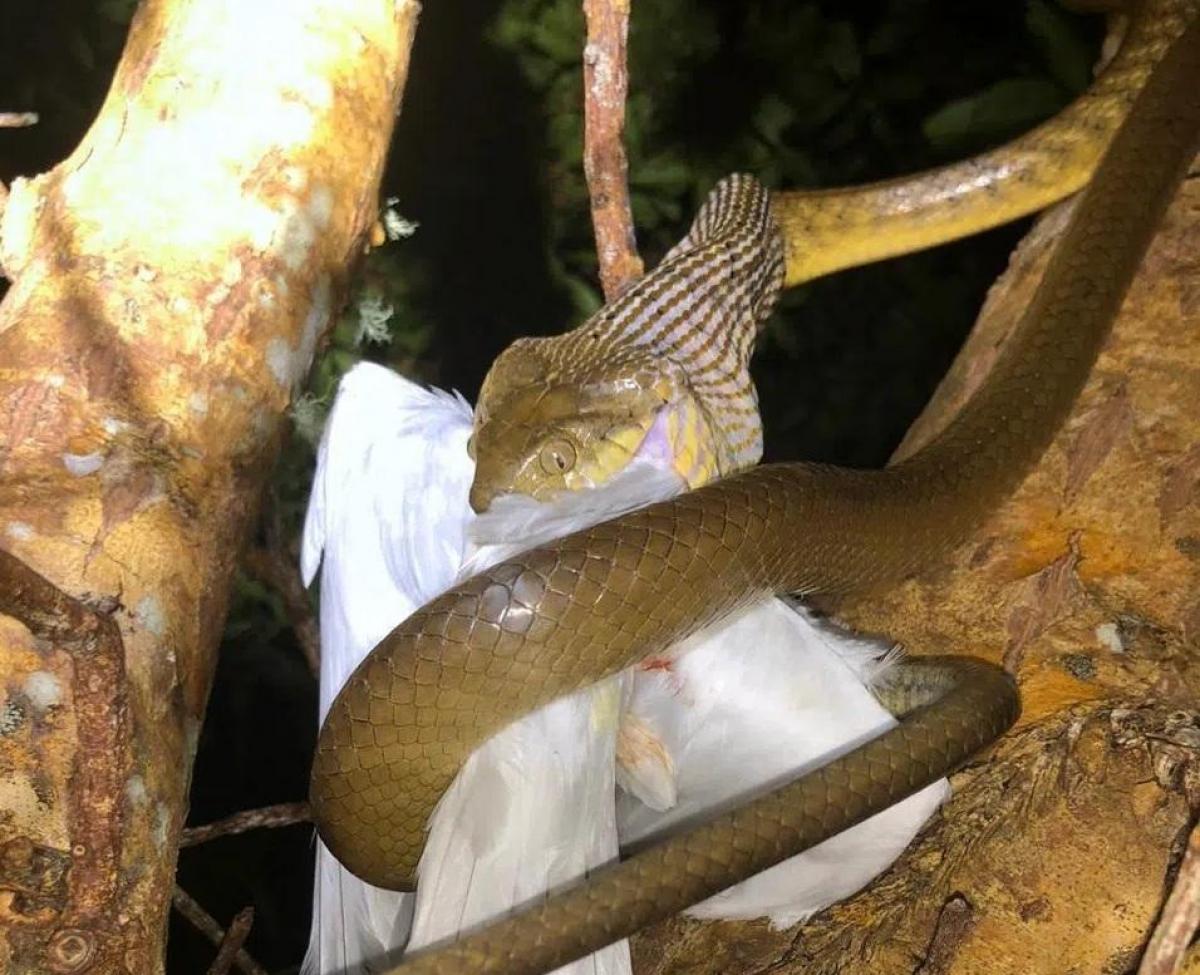
Researchers from the University at Buffalo and the United States Geological Survey examined the genome of the snake to solve why the invasion succeeded. Populations starting from a tiny founder group usually face severe genetic bottlenecks that reduce genetic differences and hamper adaptation.
To understand the exception, the scientific team used long-read DNA sequencing to inspect large sections of the snake genome. The study, published in the journal Science Advances, identified over 19,000 structural variants, which are major DNA changes where genetic sections are copied, deleted, or relocated.
Structural Genetic Variations
For years, genetic diversity studies focused primarily on small DNA changes at single genetic letters. Long-read sequencing revealed much larger differences across critical parts of the genome.
Levi Gray, a research associate who worked on the study, explained that older sequencing methods were similar to comparing two books by analyzing individual letters while missing that entire paragraphs had been moved or duplicated. He noted that these structural variants provided an unexpected source of genetic diversity that helped the population overcome the challenges of having very few ancestors.
The study showed that many genetic variations were concentrated in genes related to immunity and olfaction, or the sense of smell. Brown tree snakes rely on a keen sense of smell for survival, using their split tongues to gather chemical signals from the environment to detect prey and assess their surroundings.
Impact on Behavior and Conservation
Researchers identified a potential link between smell-related genes and unusual behavior observed on Guam. While brown tree snakes eat other snakes in their native range, there is little evidence that they attack one another on the island.
Gray explained that an acute sense of smell might help the snakes identify other individuals as relatives rather than prey, particularly within a population where inbreeding is widespread.
Trevor Krabbenhoft, an assistant professor of biological sciences at the University at Buffalo and lead author of the study, noted that the snakes may not possess unusually high overall genetic diversity. Instead, he said their success could stem from specific types of genetic variability that scientists had not previously recognized.
The findings offer fresh insight into populations surviving severe genetic bottlenecks and may aid conservation efforts. Christopher Osborn, a first author of the study and aquatic biology specialist at the State University of New York at Oswego, said genes in endangered species might have more flexibility than assumed, offering a better understanding of how inbred species respond to environmental changes.
Scientists have not yet determined whether these structural variants existed before the snakes reached Guam or developed after the invasion began. Resolving the question requires comparing Guam snakes with populations from their native range in Australia and the South Pacific.
Snake Sightings in Europe
In separate snake developments, Germany has recorded the arrival of snake species previously restricted to southern Europe. Authorities documented 15 specimens of the four-lined snake, one of Europe's largest snakes, in southern Bavaria over the past five years. The native range of the four-lined snake includes Italy, Greece, Bulgaria, Slovenia, and the Balkans.