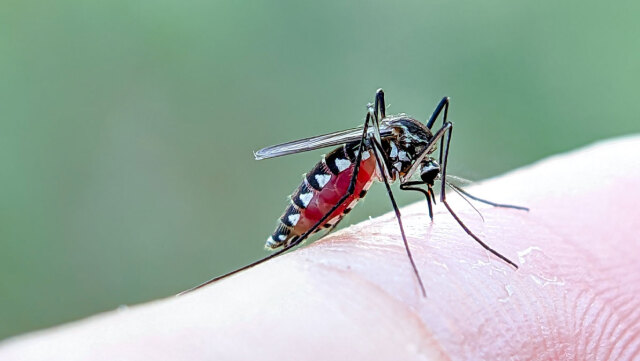
Greece is facing a sharp rise in West Nile virus cases, with public health officials warning that peak infection levels will persist across the country for the next two to three weeks.
Theodoros Vasilakopoulos, professor and president of the National Public Health Organization, stated during an interview on ERT television that high temperatures and current weather conditions are driving the sustained wave of infections.
Data released by the health agency up to August 19 recorded 157 domestic cases and 13 deaths. Within a single week, authorities registered 47 new infections and four additional fatalities. A total of 42 patients required hospitalization, including 23 placed in Intensive Care Units. All deaths recorded through August 19 involved patients over the age of 65.
High Risk Groups and Vulnerabilities
Vasilakopoulos reassured parents that children do not represent the demographic group facing the highest danger during the current outbreak. Instead, elderly individuals face a significantly elevated risk of severe disease.
Guidance from the National Public Health Organization, known locally as EODY, indicates that immunocompromised individuals and patients with chronic underlying conditions are also at heightened risk. Severe illness can still occur across other age brackets, but health officials emphasized that older citizens require doubled and tripled protective precautions.
The National Public Health Organization serves as Greece's central agency for monitoring infectious diseases and protecting public health. West Nile virus is a mosquito-borne pathogen that circulates primarily during warmer months when vector populations peak.
Recognized Symptoms and Medical Warnings
Approximately 80 percent of people infected with West Nile virus show no symptoms at all, according to health figures. About 20 percent experience mild illness, which typically includes fever.
Fewer than one percent of cases progress to severe disease involving the central nervous system. Vasilakopoulos urged citizens to seek immediate medical attention if a high fever is accompanied by intense neurological symptoms, such as severe headache, dizziness, vertigo, confusion, disorientation, altered consciousness, or difficulty moving.
Vasilakopoulos noted that urgent medical evaluation is necessary in those circumstances to determine whether West Nile virus or another condition is responsible. He added that a mild fever on its own does not automatically signify a West Nile virus infection, as fevers frequently stem from various other health causes.

Weather Factors and Mosquito Growth
Weather conditions earlier in the year played a central role in expanding mosquito populations across Greece. Vasilakopoulos explained that an unusually warm winter followed by a wet spring with frequent rain created ideal breeding grounds for vectors.
Attica experienced its second warmest winter in 150 years alongside heavy spring rainfall. That climate combination fueled high mosquito circulation, leading directly to the increased number of human infections recorded in the region.
Cases have been confirmed across multiple regions, including Attica, Thessaly, Central Macedonia, the Peloponnese, and Central Greece. Attica, the administrative region surrounding the capital city of Athens, has borne a particularly heavy burden during this outbreak.
Greece operates a national action plan each year that includes spring spraying programs. Although spraying was executed as planned this spring, authorities emphasized that chemical treatments cannot be expanded indefinitely. Exceeding established limits risks toxic exposure for humans, animals, wildlife, and beneficial insect species, requiring interventions to remain strictly within scientific safety thresholds.
Vasilakopoulos added that part of the high case tally stems from enhanced epidemiological surveillance. Intensive testing and detailed tracking allow health authorities to detect and diagnose infections more efficiently than in previous years.
Prevention Measures and Domestic Safety
Health officials stressed that personal protection is vital alongside municipal vector control efforts. Citizens are advised to wear long-sleeved clothing, especially during the late afternoon and evening when mosquito activity is highest.
The health agency recommended using approved body and household insect repellents, as well as installing window screens and mosquito netting around living spaces. Eliminating standing water in yards, gardens, verandas, and balconies is equally critical, as even small amounts of water in flower pot saucers can become mosquito breeding spots.
Vasilakopoulos also recommended a simple household solution using an electric fan. Positioning a fan so that air blows directly toward a person's legs creates a breeze that makes it very difficult for mosquitoes to land and bite.
Transmission Risks and Epidemic Potential
Addressing public concerns over whether West Nile virus could trigger an epidemic comparable to coronavirus, Vasilakopoulos clarified that the virus cannot spread in that manner. West Nile virus is not transmitted from human to human through routine social contact.
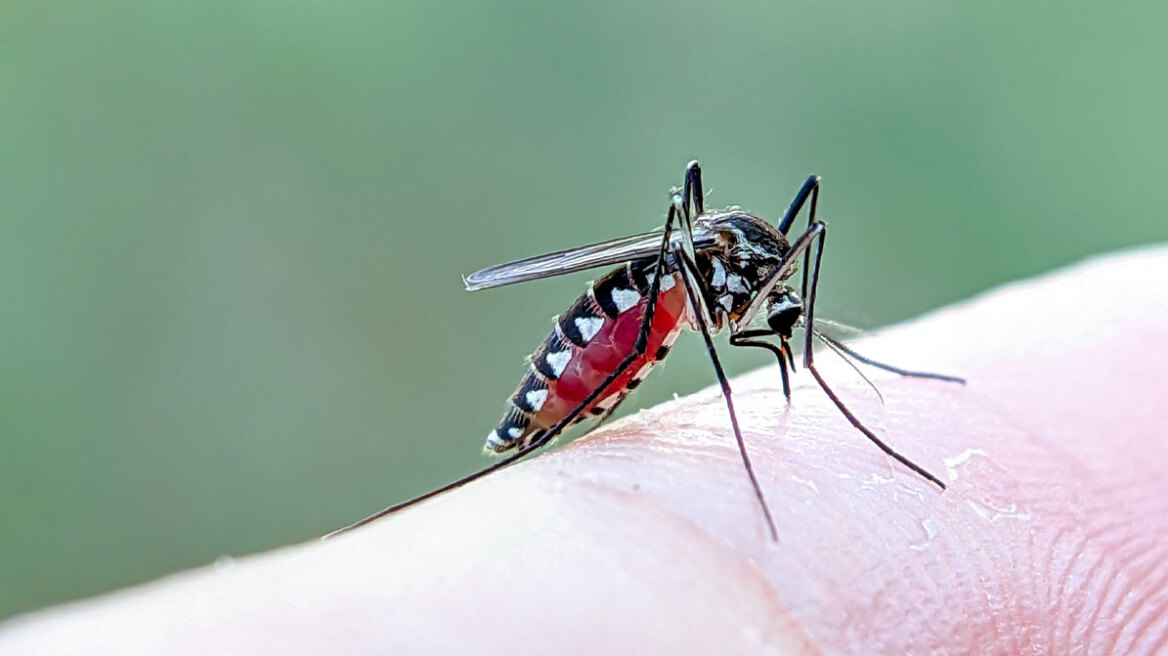
Transmission occurs almost exclusively through the bite of an infected mosquito. Humans act as dead-end hosts, meaning an infected person does not carry sufficient viral loads to pass the pathogen to other people or to mosquitoes that bite them.
Official health guidance notes that extremely rare modes of transmission, such as blood transfusions or organ transplants, have been recorded globally, but these exceptions do not alter how the virus spreads in the general community.
Health authorities expect West Nile virus circulation to decline as seasonal temperatures fall and mosquito populations diminish, with the exact timing dependent on weather patterns over the coming weeks.