Greece has proposed establishing a European Spectrum Union to channel up to 15 billion euros from future 6G mobile network auctions into strategic technology investments across the European Union.
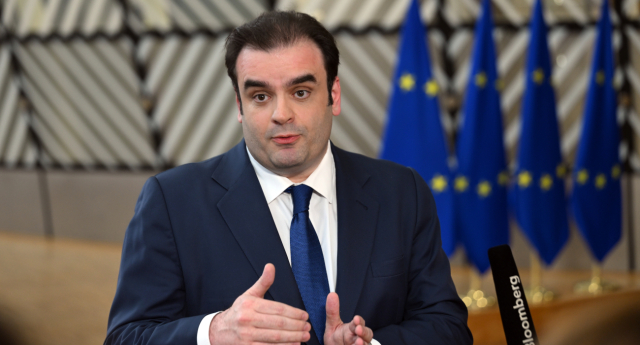
The plan, developed under Eurogroup President Kyriakos Pierrakakis, would allow EU member states to keep national spectrum auctions while pooling a share of the revenue into a central fund for digital infrastructure.
According to a report by Reuters, the initiative was presented to European ministers on Tuesday. Proposal documents indicate that the preliminary funding scale is calculated at between 12 billion euros and 15 billion euros, though officials emphasized that this figure serves as a planning assumption rather than an official forecast. The estimate also excludes potential future income from selected 5G frequency rights.
Deputy Foreign Minister Tasos Chatzivasileiou presented the proposal on 22 September at the General Affairs Council meeting in Brussels during broader discussions on generating new revenue sources for the bloc. Radio spectrum auctions are traditionally conducted by national governments to license frequency bands to telecommunications companies. Under the Greek plan, diverting a portion of these revenues to a shared mechanism would fund joint tech projects without requiring extra contributions from national budgets.
How the European Spectrum Union works
Under the proposed framework, member states would maintain full authority over national auction processes. However, a set percentage of future 6G licensing fees would feed directly into the joint European mechanism.
The resulting funds would be earmarked for high-priority technology projects and digital infrastructure development. Greek officials contend that this approach offers a way to finance critical innovation without placing additional burdens on the shared EU budget.
Negotiations over the EU budget
The proposal arrives amid contentious negotiations over the multi-annual financial framework of the European Union for the 2028 to 2034 period. The European Commission has proposed a total budget of 2 trillion euros for the seven-year cycle.
European governments are facing pressure to fund increasingly costly new priorities, including military defence, technological competitiveness, and industrial growth. At the same time, member states are seeking to preserve traditional funding commitments for agriculture and regional cohesion.
Five member states, including Germany, Denmark, Finland, the Netherlands, and Austria, have already demanded a smaller increase in the upcoming budget. These governments argue that emerging financial demands should not simply be passed on to national treasuries and taxpayers. The Greek 6G proposal aims to bridge this gap by creating fresh financial capacity without raising direct national contributions.
Alternative revenue proposals under consideration
The proposed European Spectrum Union is one of several options currently under discussion as Brussels searches for new revenue streams.
Other measures under review include allocating a portion of national revenues from carbon dioxide emissions allowance auctions to the central budget, alongside revenues from the carbon border adjustment mechanism on imported goods. EU officials are also evaluating fees on uncollected electronic waste, a share of national tobacco excise duties, and standardized contributions from large corporations operating within the single market.
Further proposals include levies targeting extreme wealth, digital services, online gambling, and capital gains from cryptocurrencies. However, none of these options have been agreed upon, and several face firm resistance from individual governments. Any final financial package for the EU budget will require unanimous approval from all 27 member states, setting up a complex negotiation process in the months ahead.