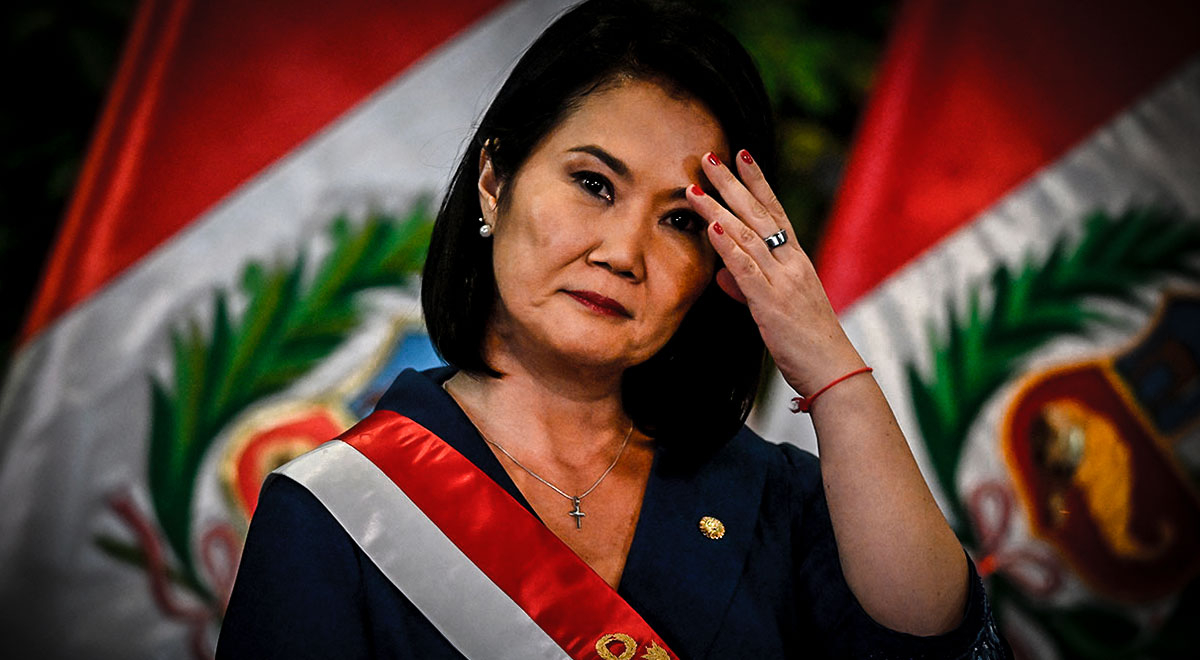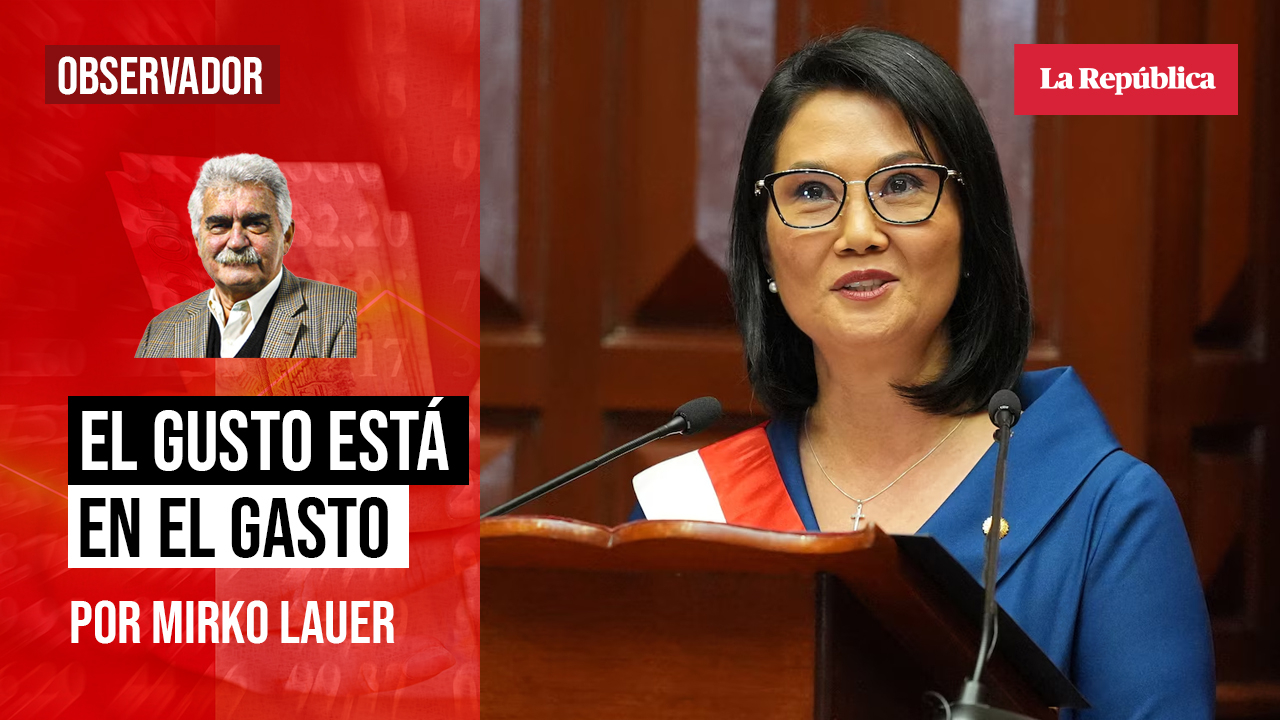
Peru's new Fujimori administration opened with an inaugural address signaling a government oriented toward spending, but fiscal realities may quickly impose a harsh limit, writes columnist Mirko Lauer.
Alonso Segura of the Fiscal Council put it bluntly, saying the money will not be there. Lauer reads that as a warning directed at Julio Velarde, head of the central bank and guardian of monetary stability.
The spending Lauer describes is not the corrupt outlay of the outgoing Congress, but unavoidable commitments: fighting El Niño, tackling crime, and a modest minimum-wage increase he considers reasonable given the profits being reported in the private sector.
Economy official Elmer Cuba faces what Lauer calls a complicated brief: essential spending, GDP acceleration, and avoiding economic shock, all from a treasury he describes as having been picked clean. It would be ironic, Lauer writes, if what he calls the Fujimori II era began with exactly that shock.
Segura hints at adjustments ahead, but Fujimori has promised major infrastructure projects, mostly under the new transport ministry. Lauer suggests an era of borrowing may be starting, and with austerity absent from the inaugural address, warns that its unspoken subtext could be a return of moderate inflation.
The speech and the cabinet both struck Lauer as conventional, the latter filled with ministers recycled from previous governments. The next test comes when the prime minister faces Congress for a confidence vote, with a dissolution threat already in circulation. Lauer also asks whether Velarde will say anything publicly about the level of spending the address implies.