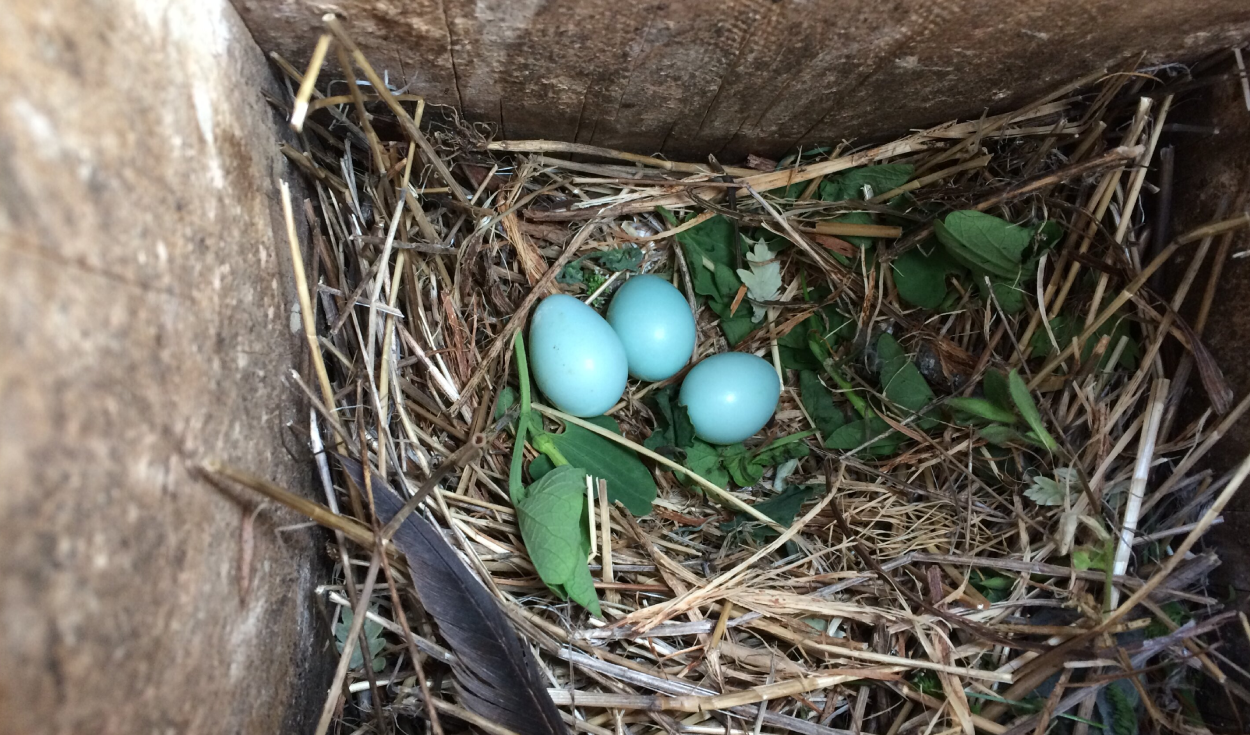
Adding fresh plant material to nests helps young chicks grow heavier and larger, according to a meta-analysis led by University of Bielefeld researchers in Germany.
The research team analyzed 28 experimental studies covering seven bird species and 274 individual comparisons to evaluate how fresh leaves, stems, and aromatic herbs affect nestling development. Lead author Shreya Dimri said the findings show that fresh vegetation improves biological fitness indicators in chicks, including body weight, wing length, and tarsus length, which measures the lower leg bone.
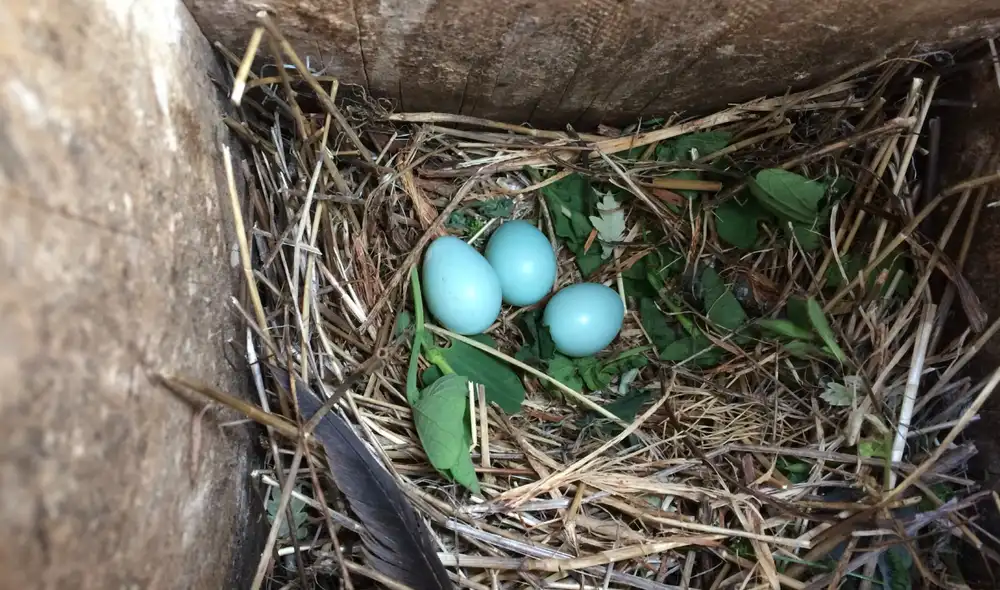
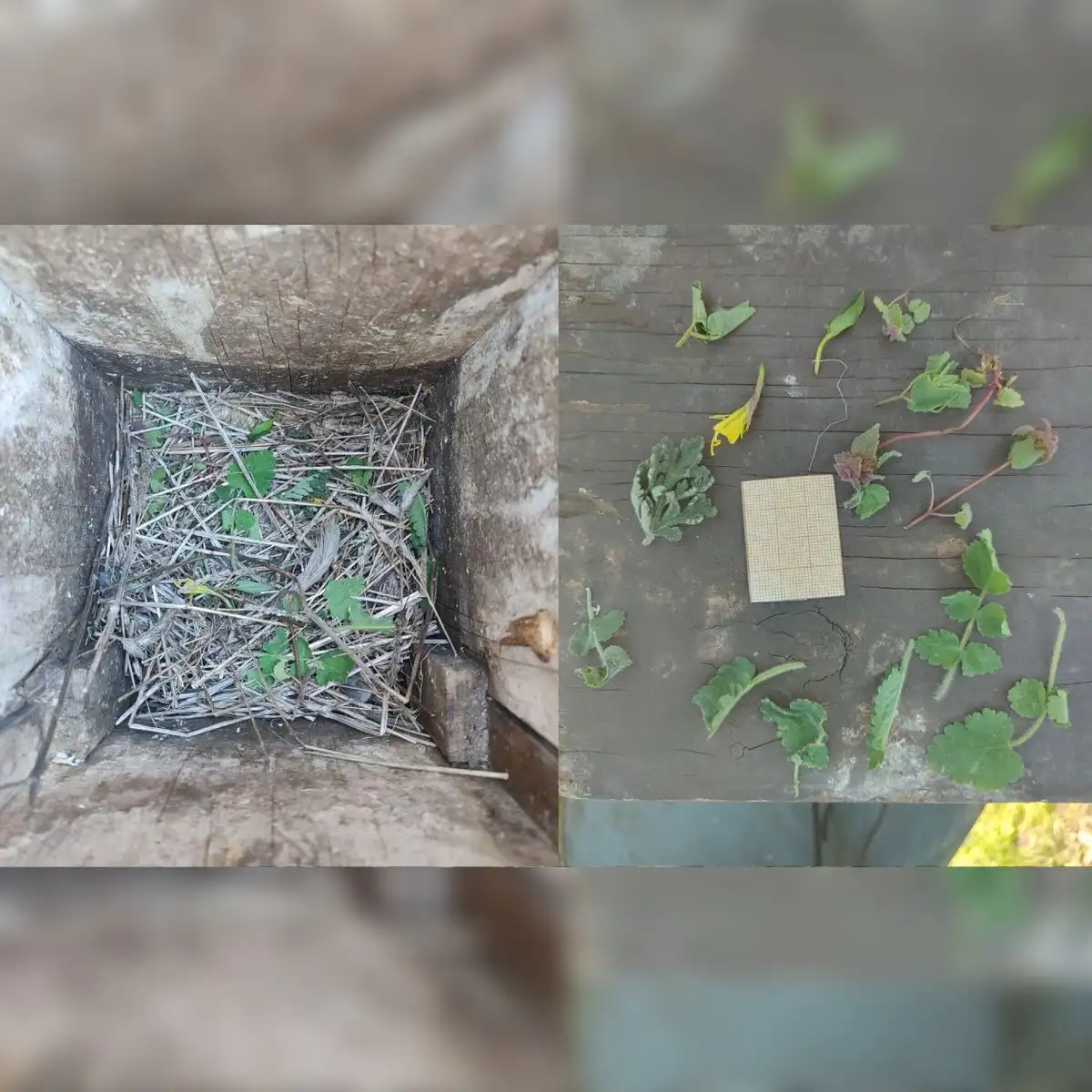
Scientists have long observed birds weaving freshly cut plants alongside dry grass and twigs into their nests. To determine whether green vegetation directly caused physical changes, researchers reviewed controlled experiments where fresh plant material was intentionally added to or removed from nest boxes.
The review evaluated multiple factors, including parasite levels, pathogen counts, chick weight, physical size, overall development, reproductive outcomes, and parental behaviors. The strongest positive effect appeared in physical fitness measurements, particularly nestling body weight and bone growth.
Evaluating theories behind nest vegetation
Researchers have proposed several competing hypotheses to explain why birds gather green leaves. One theory suggests that fresh plants serve as visual signals during courtship to attract mates, while another posits that vegetation shields offspring from parasites or harmful microorganisms. A third idea, known as the medicinal hypothesis, suggests that aromatic plants release beneficial chemical compounds into the nest environment.
However, the new analysis found no strong evidence supporting the medicinal explanation over competing theories. Dimri explained that studies comparing aromatic plant material with non-aromatic vegetation showed no clear positive difference. She added that the research team found no general evidence that fresh plant material reduces parasite or pathogen levels in the nest.
These findings challenge the assumption that aromatic compounds drive plant collection. Dimri noted that fresh vegetation may instead influence structural support, nest temperature, humidity, or basic hygiene conditions.
Future directions in bird nest research
Most existing research on nest vegetation has focused on a small group of cavity-nesting songbirds, primarily the blue tit, the European starling, and the spotless starling. Expanding future research to additional species and geographic regions will help clarify whether fresh plant use is a universal trait or varies by species.
The study also revealed that experimental design differences contributed to conflicting findings in past literature. Dimri stated that future experiments should independently test aromatic properties and fresh plant presence while simultaneously tracking chemical composition, nest microclimate, parasite counts, pathogen levels, chick growth, and post-fledging survival.