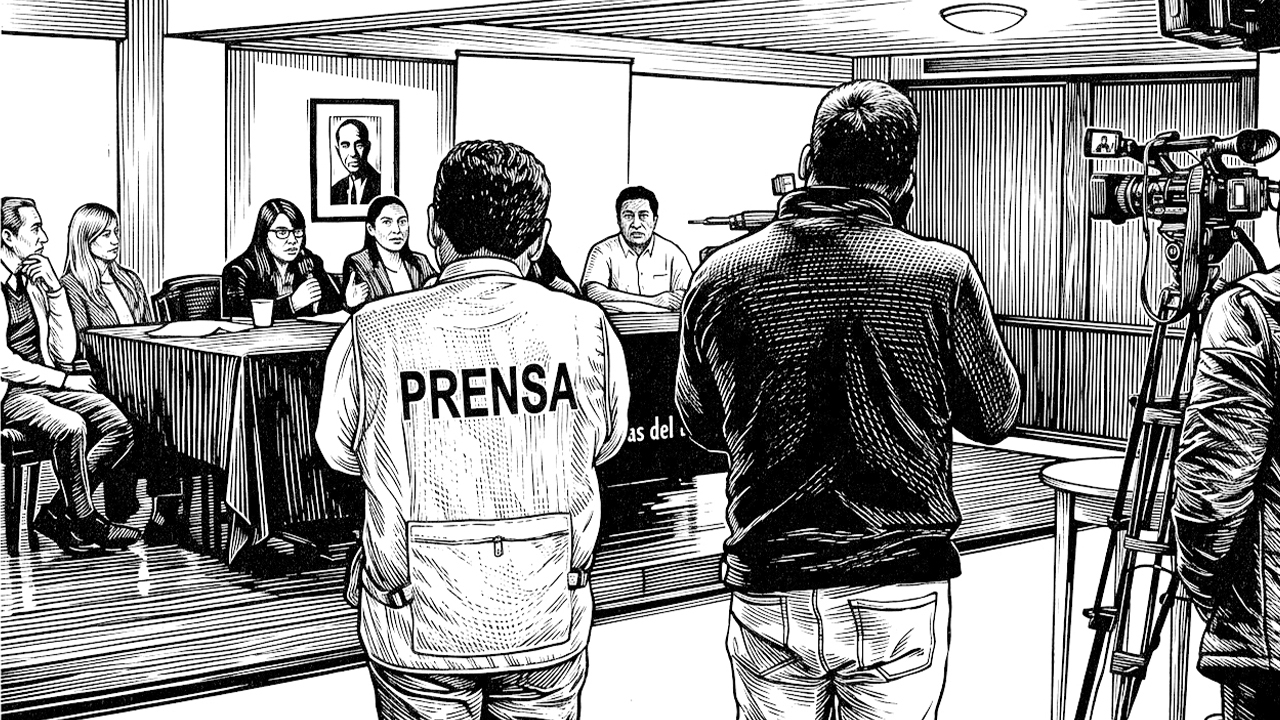
The European Union has declared that all individuals who entered the Spanish enclave of Ceuta illegally, including minors, must be returned to Morocco.
The directive comes twenty days after the start of the border crisis, as Spanish authorities face mounting pressure to accelerate repatriation procedures and prevent arrivals from moving onto mainland Spain.
Ceuta, a Spanish autonomous city situated on the North African coast, forms one of only two land borders between the European Union and Africa. Under the framework outlined by European officials, minors who entered the enclave must receive full protection while they remain in Spanish territory, but official policy specifies that they should ultimately be reunited with their parents in Morocco.
To process the returns efficiently, Spanish Interior Minister Fernando Grande-Marlaska has faced urgent calls to increase the deployment of immigration officers in Ceuta. Commentators warn that without swift administrative action, an estimated 5,000 illegal entrants could eventually enter the Iberian Peninsula.

European Union Position on Border Returns
The stance taken by European Union leadership follows mixed responses from member states. While Italy reacted energetically and with clear justification to the border emergency, other European nations offered more subdued responses.
European Commission President Ursula von der Leyen initially faced criticism for failing to take an assertive approach toward Rabat during the early phase of the crisis. Columnist José Antonio Vera, writing for World Stock Market, argued that European firmness remains the decisive factor in ending the standoff.
Vera noted that the Moroccan government would not risk direct confrontation with the European Union, despite Rabat feeling emboldened by backing from former US President Donald Trump and Israeli Prime Minister Benjamin Netanyahu.
Spanish Prime Minister Pedro Sánchez has been urged to demand concrete support from Brussels. Supporters of a firmer policy argue that Sánchez must insist on European Commission backing to compel Morocco to withdraw border crossers who were encouraged to enter Spanish territory.
Potential Economic and Diplomatic Leverage
Analysts point out that Brussels holds substantial economic and diplomatic leverage over Morocco through existing bilateral agreements. Morocco currently benefits from broad economic partnerships with the European Union, which could be suspended if border incursions continue.
Potential measures include terminating special cooperation agreements across agriculture, food supply, energy, and commercial sectors. The European Union could also end policy exceptions that allow Moroccan agricultural imports treated with pesticides banned inside the bloc, while enforcing strict sanitary requirements and mandatory labelling on all imported fruits and vegetables.
Additional economic pressure could involve canceling the bilateral fisheries agreement, which grants European vessels access to regional waters and provides substantial revenue to Morocco. European authorities could also halt financial subsidies for Arabic language and Moroccan cultural instruction.
Diplomatic steps could include restricting preferential student visas, academic scholarships, state grants, and legal residency procedures for Moroccan nationals. In addition, calls have grown for the active deployment of Frontex, the European Border and Coast Guard Agency, to reinforce frontier security in Ceuta.

Domestic Political Criticism of Spanish Response
The response of the Spanish government has sparked sharp domestic political debate. Prime Minister Pedro Sánchez has drawn criticism for remaining at La Mareta, a royal estate in Lanzarote used for official retreats, while directing criticism toward opposition figures including People's Party leader Alberto Núñez Feijóo and Ceuta Mayor-President Juan Jesús Vivas.
Vera highlighted Vivas as the only public official who has demonstrated effective leadership throughout the emergency. In contrast, the commentary characterized cabinet ministers as ineffective and pointed to Sánchez's absence during the crisis, comparing it to his handling of the catastrophic Valencia DANA flash floods.
The commentary suggested that Sánchez could request King Felipe VI to engage in diplomatic talks with King Mohammed VI of Morocco to resolve the standoff. However, critics allege that the administration seeks to diminish the monarch's role, pointing to recent public statements by Transport Minister Óscar Puente as part of an effort to sideline the royal house.
With warnings that weak border enforcement could leave Spain exposed to as many as 80,000 illegal crossings, critics maintain that protecting territorial integrity must take precedence over political interests at La Moncloa, the official residence of the Spanish prime minister.