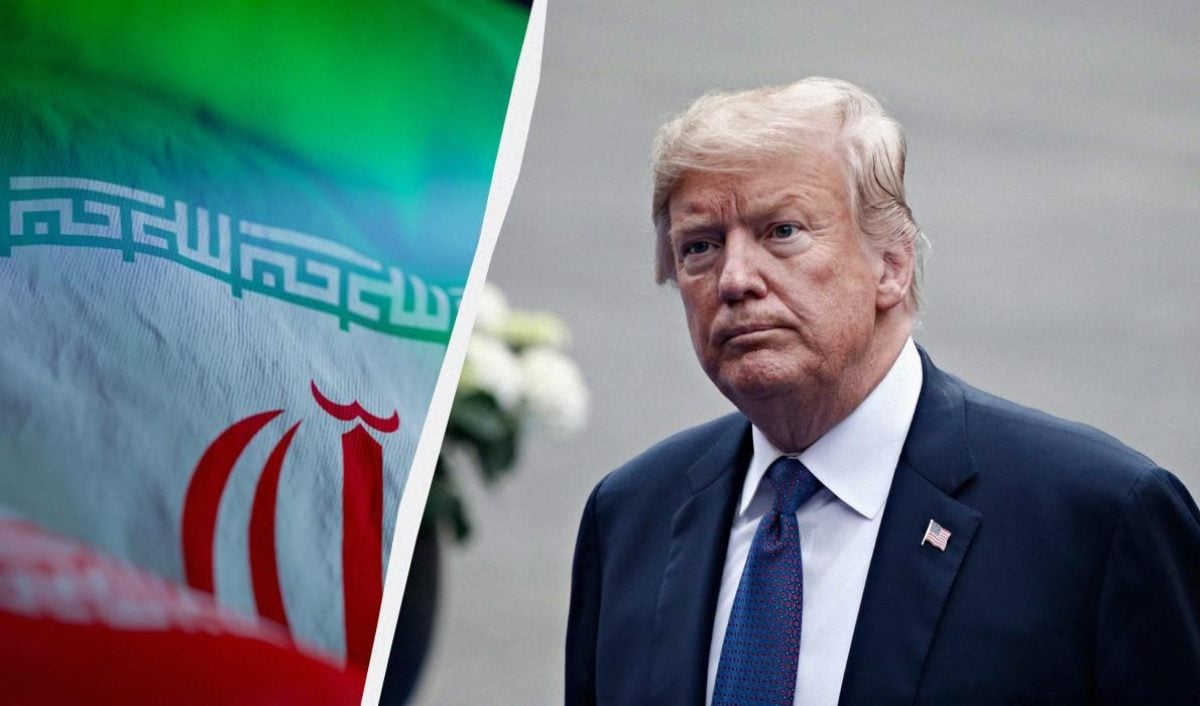
US President Donald Trump has announced plans to launch an economic D-Day against Iran following frustration over the country's refusal to surrender despite weeks of military strikes and an American maritime blockade restricting its crude exports, Bloomberg reported.
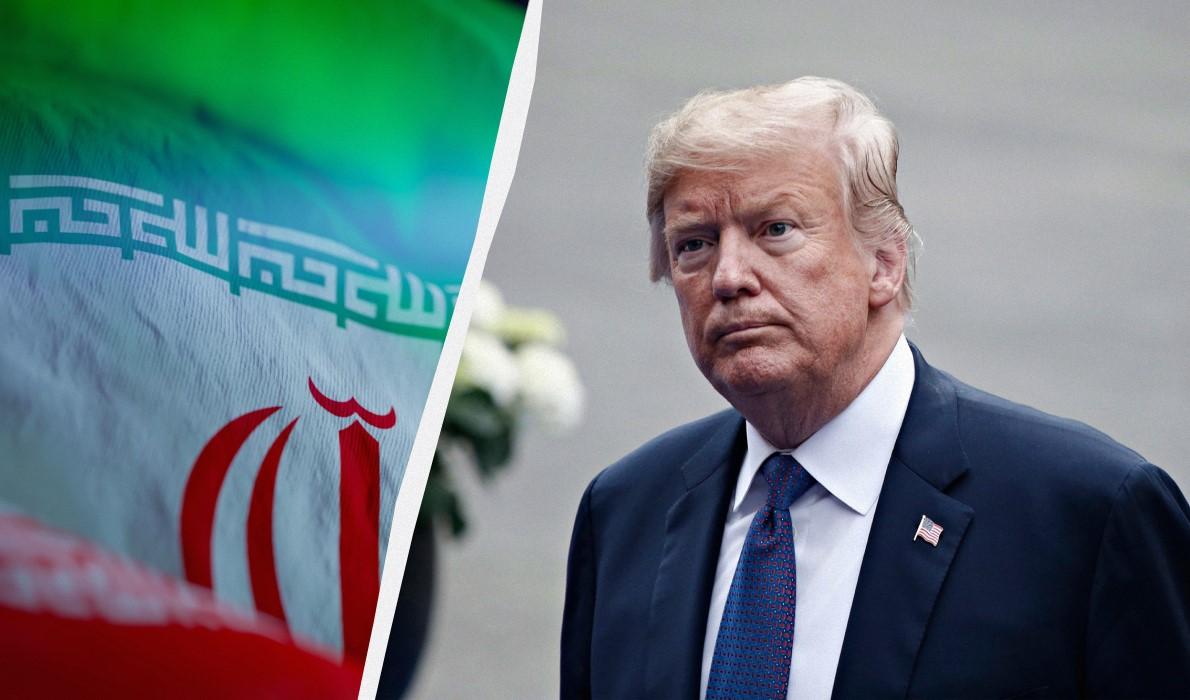
Trump did not outline specific measures for the campaign, but his threat to target foreign nations supporting Tehran immediately turned attention toward China, which purchases the vast majority of Iranian crude oil exports.
Writing on social media, the American leader warned that any country allowing its financial institutions, businesses, airports, or government bodies to assist Iran would face colossal economic consequences, adding that Washington needed all its allies to isolate and defeat the Iranian threat.
Pressure Mounts on Foreign Trade Links
The declaration followed a warning from United States Treasury Secretary Scott Bessent that Washington was preparing fresh economic measures. The US Department of the Treasury oversees federal finances, enforces international trade sanctions, and monitors global banking networks to implement American foreign policy objectives.
Bloomberg, the financial news service headquartered in New York, reported that the move signals a desire by Washington to pivot away from a military campaign hampered by ammunition shortages, rising financial costs, and strained armed forces. The military offensive has failed to force Iran's surrender, despite destroying much of the country's armed forces and eliminating most of its senior leadership.
Targeting Iranian oil sales risks triggering a major diplomatic and commercial confrontation with Beijing. China, the world's second-largest economy, relies heavily on imported crude and remains the primary customer for Iranian oil exports. Any new sanctions could disrupt attempts by Trump to extend a tariff truce with Chinese President Xi Jinping, whom the US leader is scheduled to host in Washington next month.
Brett Erickson, managing partner at the financial advisory firm Obsidian Risk Advisors, posted on X that Trump was drawing a clear red line aimed specifically at Beijing. Erickson stated that China serves as the single economic lifeline keeping Iran afloat under international economic pressure.
Domestic Pressures and Economic Collapse
Political urgency is mounting for Trump as he faces rising domestic gasoline prices, public opposition to the war, and concerns among fellow Republicans about losing control of Congress in November. US midterm elections are held two years into a presidential term to elect members of the House of Representatives and the Senate, serving as a key test of administrative popularity.
In the Middle East, Iranian threats against commercial shipping have paralyzed maritime traffic through the Strait of Hormuz. The Strait of Hormuz is a narrow, strategic waterway connecting the Persian Gulf to the Gulf of Oman and the Arabian Sea, serving as the transit point for roughly one-fifth of global petroleum shipments. A counter-blockade ordered by Trump has severely restricted Iran's own ability to export oil.
Bloomberg reported that the combined impact of the US blockade, damage from joint US and Israeli bombing raids, and systemic internal corruption has driven Iranian inflation to nearly 80 percent. Iran's national currency, the rial, has lost almost 30 percent of its value this year, leading economists to warn that the nation of 90 million people faces one of the worst economic crises in its history.
Allied Security and Maritime Control
The economic escalation comes amid broader international security concerns involving Iran. The North Atlantic Treaty Organization previously responded to reports suggesting Tehran was preparing to bomb targets in Europe. A representative for the 32-member Western military alliance stated that NATO remained ready to respond to any threat and would take all necessary steps to defend all allies.
The NATO representative noted that the alliance's defense posture had already proven effective earlier this year when NATO air defense systems successfully intercepted four ballistic missiles launched from Iran toward Turkey. Turkey has been a NATO member state since 1952 and occupies a key strategic position bridging Europe and the Middle East along Iran's northwestern frontier.
Meanwhile, CNN reported that Iran has lost a significant portion of its operational control over the Strait of Hormuz. According to the news network, 80 percent of vessels passing through the strait have used the Oman transit route, a maritime corridor officially permitted under United Nations international maritime protocols but actively opposed by Iranian authorities.