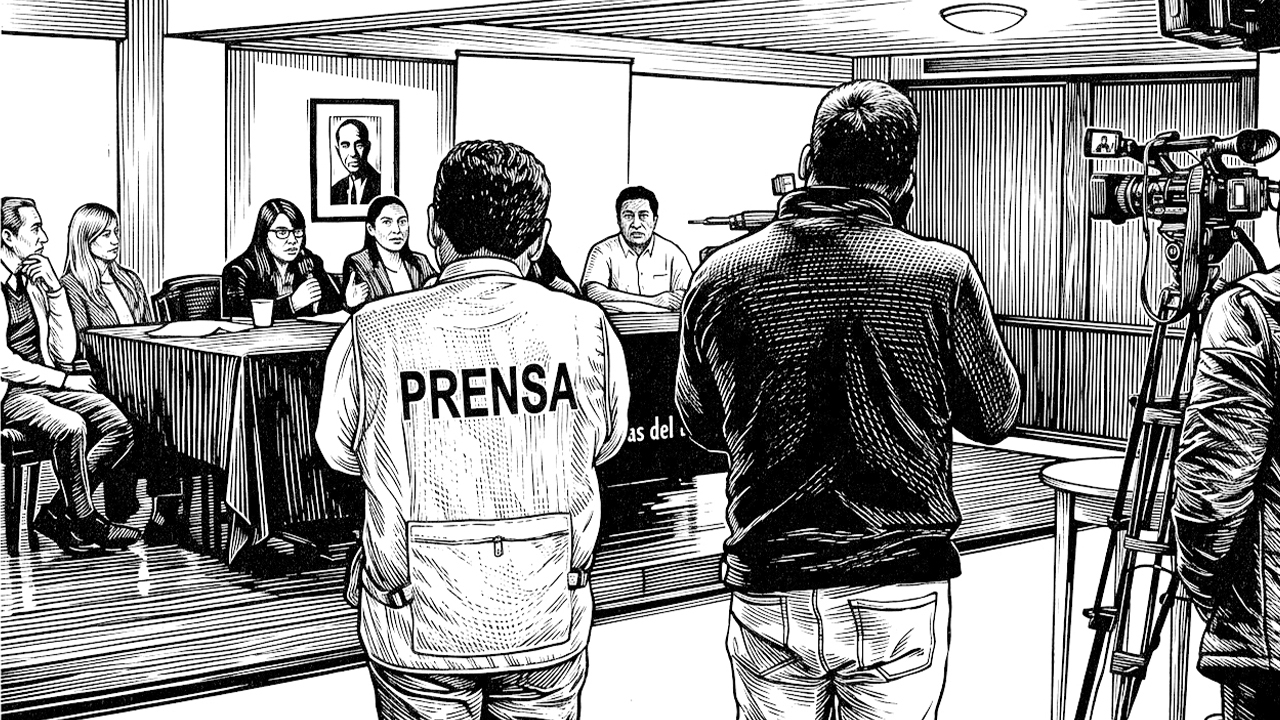
Public prosecutor Edwin Cuello warned in Santo Domingo that social media platforms are being used for digital lynching and parallel trials against criminal suspects.
Writing on August 28, 2026, Cuello stated that public posts targeting individuals during the initial phase of a criminal investigation cannibalize the presumption of innocence and the right to honor.

He argued that virtual platforms have mutated from public debate squares into inquisitorial tribunals driven by post-truth and media condemnation.
Santo Domingo is the capital of the Dominican Republic, where public prosecutors serve under the Procuraduría General de la República to enforce national penal codes and oversee criminal prosecutions across the Caribbean nation.
Presumption of Innocence Under Threat
According to Cuello, the constitutional architecture of a democratic state depends on a balanced coexistence between individual rights and fundamental duties.
He warned that when freedom of expression operates without an elementary citizen filter, such as ethical self-limitation and respect for others, it creates a dangerous social imbalance.
Cuello noted that individuals who spread online defamation often falsely assume that digital platforms grant them unlimited freedom without legal boundaries.
He explained that this unchecked behavior generates irreversible reputational damage, breaking public peace and undermining the authority of judicial institutions.
Legal Enforcement Against Online Defamation
To counter this trend, Cuello called on state authorities to apply existing legal frameworks, including Law 53-07 on High Tech Crimes and Misdemeanors alongside criminal provisions protecting personal honor.
Law 53-07 was passed in the Dominican Republic to establish criminal penalties for cybercrimes, electronic fraud, and digital defamation targeting citizens or organizations.
Cuello stressed that state intervention must never involve prior censorship, which he described as an action that would destroy the fundamental right to free expression itself.
Instead, he stated that the state must enforce subsequent legal liabilities to correct algorithmic distortions and safeguard the integrity of victims.
Constitutional Balance of Rights and Duties
The prosecutor highlighted Article 49 of the Dominican Constitution, which guarantees freedom of expression and the dissemination of thought.
However, he emphasized that Article 75 of the same constitution sets an imperative duty requiring citizens to obey the law and respect the rights of others.
The Dominican Constitution, interpreted by the Tribunal Constitucional, serves as the supreme legal foundation governing state powers and civil liberties in the country.
Cuello asserted that taking legal measures to contain digital defamation protects democracy from internal degradation rather than restricting it.
He concluded that technological platforms offer no guaranteed impunity, and that lasting social justice requires measuring individual rights and civic duties with equal firmness.