Legal commentator Giovanni Matos has proposed creating a national body, the Association of Judicial Servants of the Dominican Republic, to represent thousands of administrative court workers in Santo Domingo and across the country.
Writing in Santo Domingo on August 19, 2026, Matos argued that administrative court personnel remain largely invisible despite sustaining the daily operations of tribunals throughout the Caribbean nation.
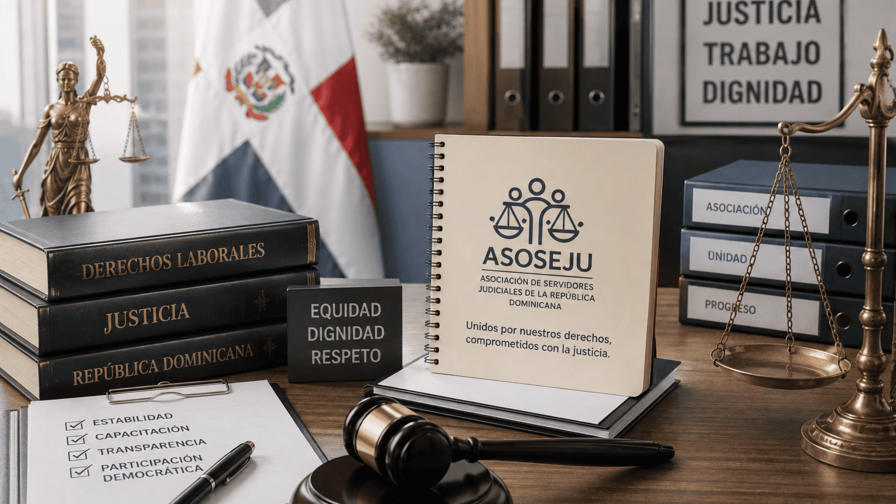
Matos noted that while established organizations currently represent judges and prosecutors in the Dominican Republic, non-judicial court staff lack a unified national body to advocate for their workplace interests.
The Dominican Republic operates a civil law judicial system overseen administratively by the Council of the Judicial Branch. While judges and prosecutors hold established professional representation, thousands of operational court staff currently work without a centralized advocate.
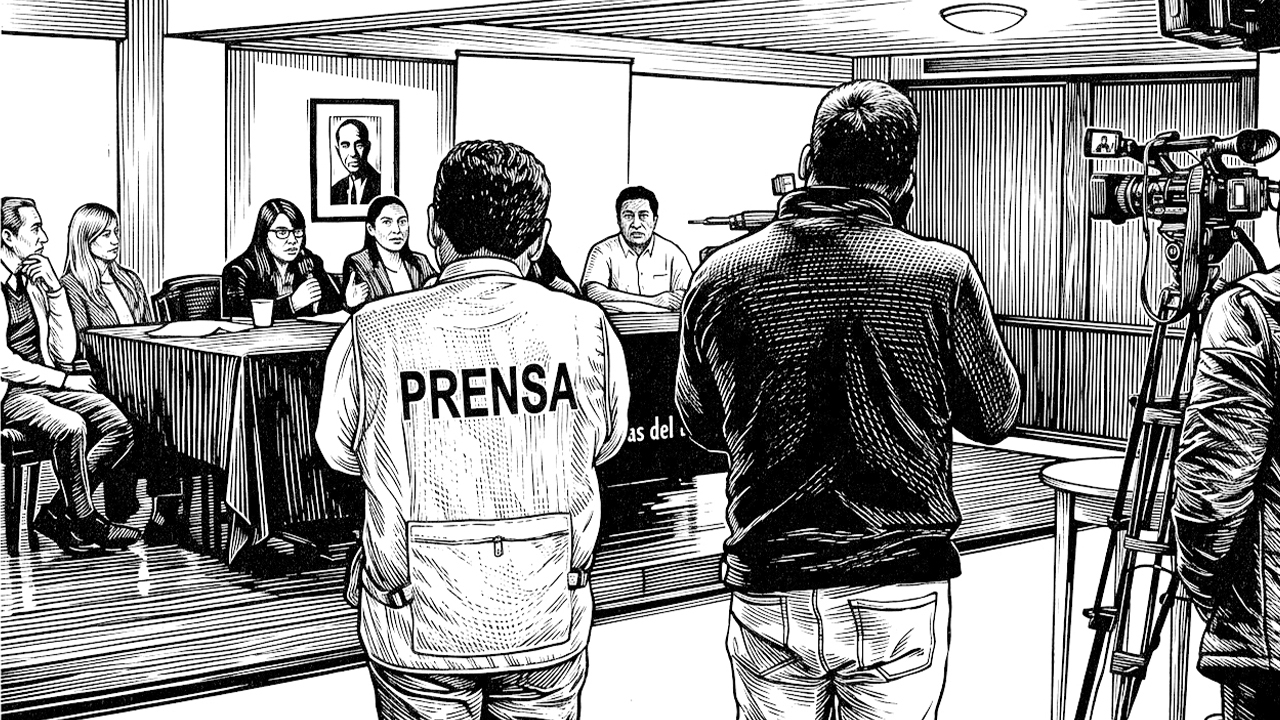
Behind every court ruling, hearing, case file, summons, and legal notification lies a human structure of administrative employees. These roles include court secretaries, office clerks, technicians, archivists, assistants, bailiffs, messengers, IT personnel, security officers, maintenance staff, and user support personnel. Without their daily work, Matos stated, tribunal operations would simply be paralyzed.
Constitutional basis for the judicial staff association
Matos based the proposal for the Association of Judicial Servants of the Dominican Republic, to be known as ASOSEJU, primarily on Article 47 of the Dominican Constitution. The constitutional provision guarantees the right of all individuals to associate for lawful purposes.
The proposed organization would also operate under Law Number 122-05, which regulates non-profit associations across the Dominican Republic. Matos argued that working for a state entity or public power does not strip individuals of their constitutional right to organize.
The fundamental objective of ASOSEJU would be to represent and defend the professional, labor, social, cultural, and human interests of judicial staff. Matos emphasized that the entity would not operate in opposition to the Judicial Branch, but rather within the judicial community to strengthen public institutions. Democratic institutions should view employee organization as a constructive tool for dialogue and conflict prevention rather than a threat, he added.
Matos cautioned that genuine judicial modernization cannot occur while court workers lack a collective voice. While electronic case files and digital automation represent important progress, no technological platform can replace human dignity, workplace experience, or the right of employees to participate in decisions affecting their working conditions.
Key demands for wages, stability, and working conditions
The proposed association aims to promote dignified salaries proportional to employee responsibilities and to defend job stability across all judicial departments.
ASOSEJU would seek improvements in medical insurance coverage, pension benefits, housing initiatives, and family assistance programs for court staff. Additionally, the association would push for continuous professional training and demand transparent frameworks for job promotions, competitive hiring, performance evaluations, and transfers.
The organization would also work to combat all forms of workplace discrimination, favoritism, harassment, and retaliation against workers who raise legitimate concerns.
Under the proposal, ASOSEJU would offer guidance and assistance to members facing administrative disciplinary investigations. Matos stressed that this function would not protect misconduct or foster impunity, but would ensure respect for the presumption of innocence, fair defense, procedural impartiality, and proportional penalties. Defending due process prevents administrative discipline from turning into arbitrary authority, Matos wrote.
Proposed activities and institutional advocacy
ASOSEJU would engage in labor policy formulation, salary studies, and the creation of worker welfare programs. The proposal outlines plans for national congresses, training seminars, courses, and the publication of detailed reports on working conditions in tribunals.
The association would establish solidarity funds to assist members facing severe illness, workplace accidents, or family emergencies. It would also pursue formal agreements with universities, financial cooperatives, and relevant national and international organizations.
ASOSEJU would act as a formal interlocutor before the Council of the Judicial Branch and its administrative departments. The Council serves as the constitutional body responsible for administrative management and disciplinary oversight in the Dominican judiciary.
Through this dialogue, the association would submit formal observations on work schedules, case loads, courtroom security, physical infrastructure, occupational health, evaluation metrics, and technological updates. Listening to staff prior to implementing workplace changes humanizes and legitimizes institutional authority, Matos argued.
Provincial representation to prevent centralism
To prevent regional centralization, Matos proposed that ASOSEJU establish provincial branches across all judicial departments and districts in the Dominican Republic. The national body would be led by a democratically elected board of directors.
Each provincial branch would identify local operational challenges, hold regular assemblies, elect representatives, and present regional proposals to national leadership. Working in high-volume tribunals in Santo Domingo or the National District presents different challenges than operating in border jurisdictions or remote interior communities that face transport, staffing, and infrastructure constraints.
The proposal mandates regular elections, strict limits on executive re-election, full financial transparency, and public accountability. Furthermore, ASOSEJU would require equal participation for female workers and younger staff members.
Strict limits on organizational authority
Matos explicitly defined the boundaries of the proposed association to prevent institutional conflict. ASOSEJU would have no legal authority to hire, promote, transfer, or dismiss judicial employees, nor could it issue official sanctions.
The association would be prohibited from obstructing legal proceedings, accessing confidential case files, or attempting to influence judicial rulings. It would function strictly as a representative body rather than a parallel administrative authority.
Matos insisted that ASOSEJU must remain free from partisan political influence and personal ambition. Its moral authority would depend on independence, pluralism, and prudence, ensuring that claims for worker rights never disrupt public judicial services or harm citizens seeking justice.
Matos concluded that creating ASOSEJU represents an act of institutional equity, noting that since judges and prosecutors already maintain associations, administrative staff deserve equal representation. A justice system that demands respect from the public must practice respect toward its own workforce, Matos stated, noting that behind every court desk stands a worker awaiting dignity.