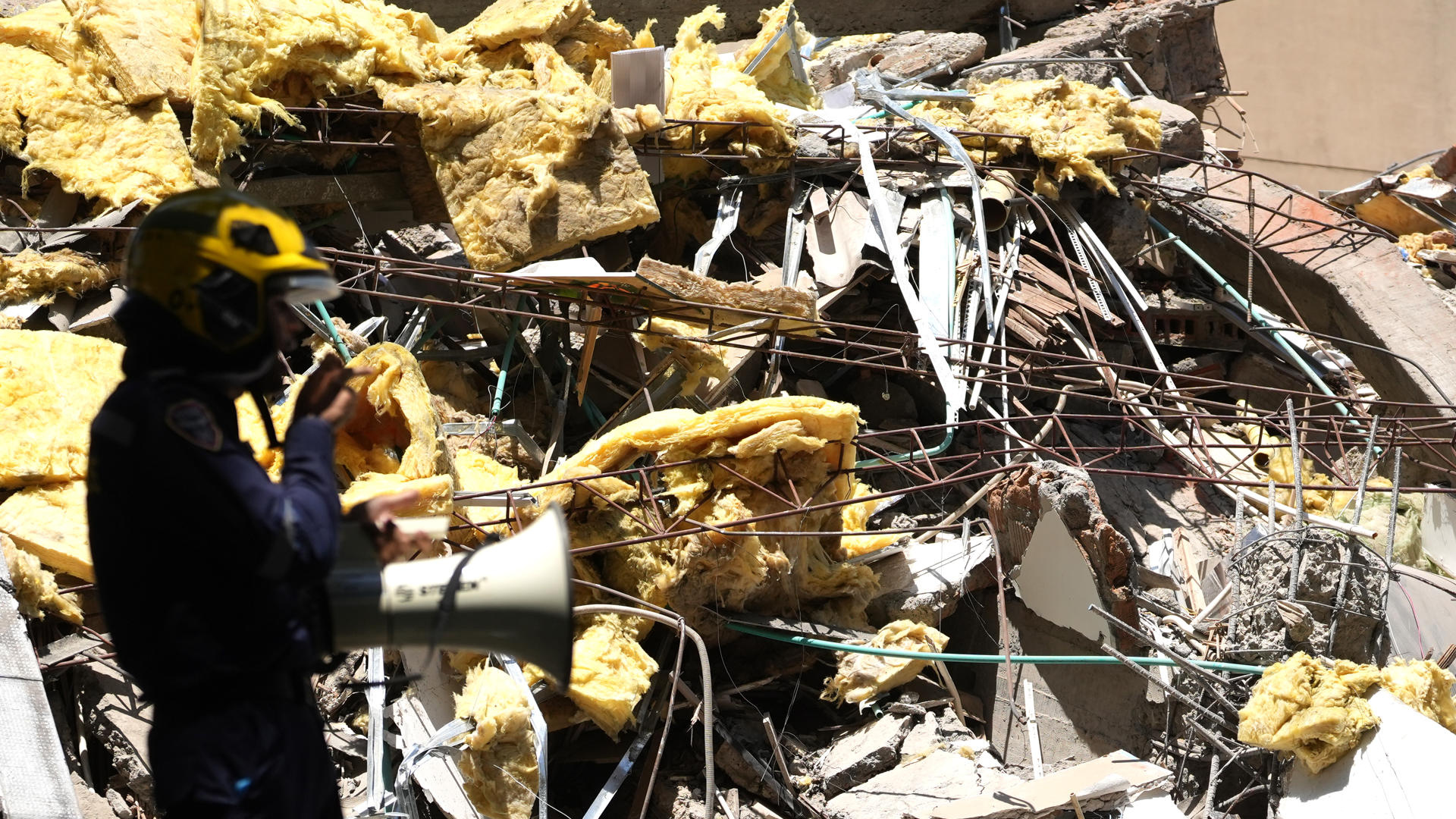
A magnitude 7.4 earthquake struck western Colombia on Monday morning, killing up to 240 people according to local media reports. Government officials reduced the official death toll figure to 181 fatalities, while more than 2,500 people were injured or reported missing across affected areas.
The earthquake had its epicenter in the Pacific zone of the Chocó region. On the radio program La Linterna on Spain's COPE network, presenter Rubén Corral reviewed the casualties of a disaster that has not yet reached its peak. Meanwhile, Spain's Ministry of Foreign Affairs is actively tracking 160 Spanish nationals who remain unaccounted for in the region.
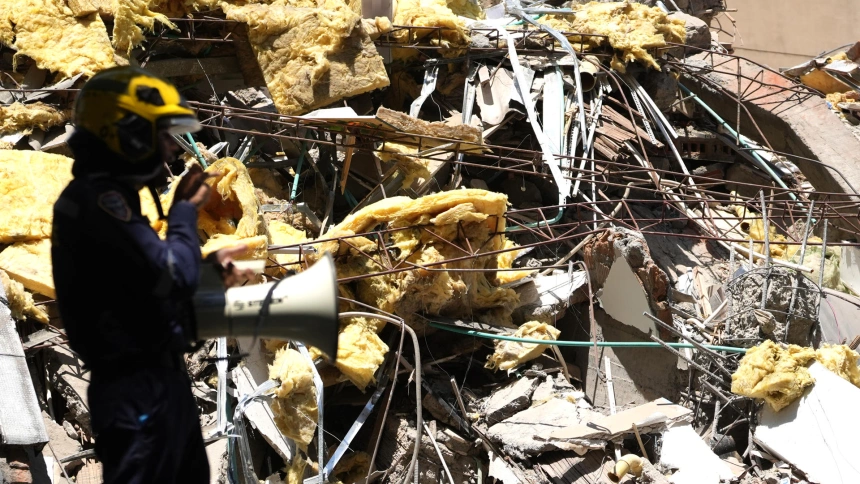
Emergency officials in the department of Valle del Cauca reported at least 27 deaths. That regional count added to an early nationwide toll of 51 deaths recorded by response crews as emergency operations began in cities like Cali.
Geological Impact of the Quake
Scientists are reviewing seismic data from the Chocó movement with surprise. José Miguel Azañón, a professor of geodynamics at the University of Granada, stated that researchers are facing an exceptional event.
Azañón explained that geologists normally consider an earthquake long if it lasts starting from one minute, but the tremor in Colombia lasted twice as long. He added that experts observed unusual arrivals of different surface wavefronts during the event.
The earthquake originated at a depth of 110 kilometers where the oceanic plate collides with the continental plate. Although that depth usually cushions damage on the surface, the magnitude was so great that seismic waves traveled thousands of kilometers, reaching cities like Manaus in Brazil and shaking areas from the north to the south of South America.
Azañón also clarified that despite the close timing with a recent earthquake in Venezuela, the two events have no relationship because their geological contexts are completely different.
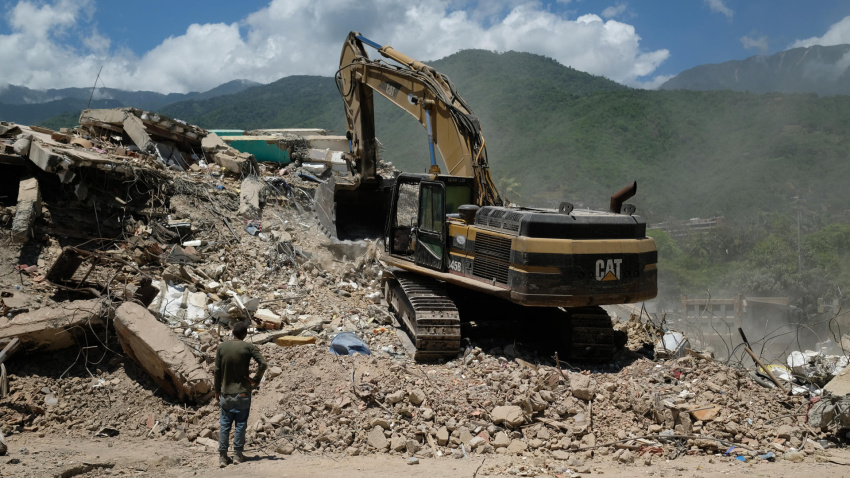
Damage Across Colombian Cities
The situation remains critical in major western cities including Cali, Pereira, and Manizales. Reporting from the ground, journalist Ricardo Gutiérrez said widespread infrastructure damage has left many buildings with structural failures. Essential services including gas, water, and internet were cut off in the hardest-hit zones.
Fears of strong aftershocks created continuous panic among residents, who crowded onto streets to avoid collapsing buildings. In Cali, municipal emergency reports showed that at least 20 buildings suffered severe structural damage due to the quake.
Hospital operations face severe strain in Pereira. Luis Romero, an intensive care specialist in Pereira, stated that medical staff are treating only very critical patients because the main structure of a local hospital collapsed, leaving intubated patients stranded inside.
To maintain public order and prevent looting in damaged cities, newly appointed President Abelardo de la Spriella deployed more than 1,000 military and security personnel across the affected regions.
Rescue Operations and Building Regulations
Solidarity networks between Spain and Colombia activated immediately after the disaster. In Madrid, architect Juliana Muñoz organized visual evaluation filters of photographs submitted by local teams to help authorities prioritize which damaged buildings require urgent evacuation.
Colombian journalist Luis Felipe Molina described experiencing the earthquake firsthand from inside an 18-story building. Molina stated that the entire block swayed one meter to each side for two continuous minutes. Meanwhile, members of the Colombian community in Catalonia mobilized relief efforts to support victims.
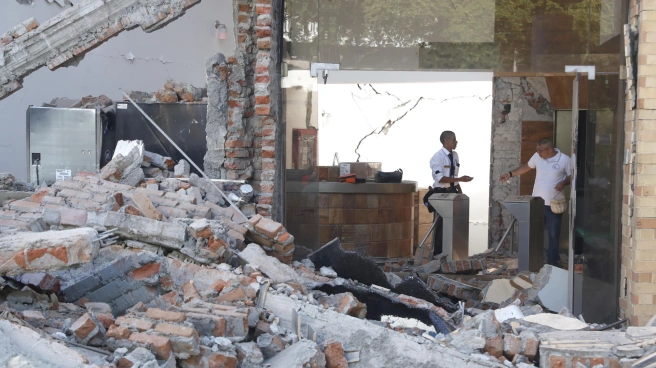
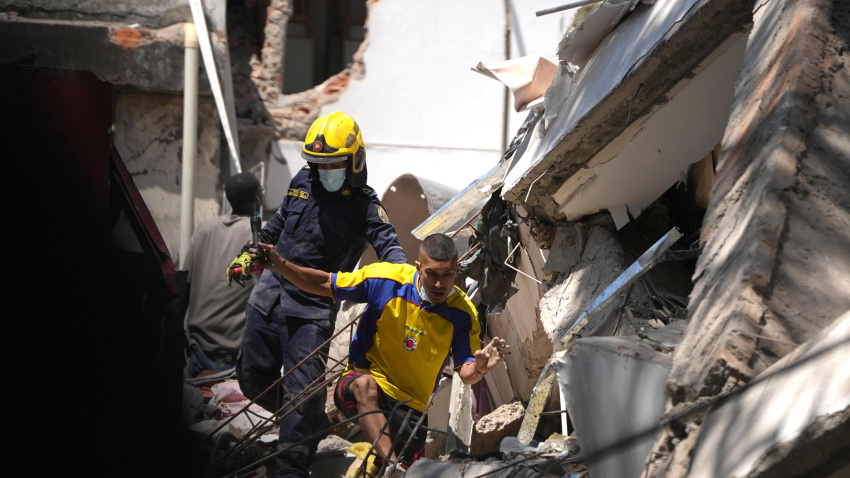
Emergency teams face a tight deadline in search efforts. Alfonso Parada, operational chief of the Malaga Provincial Council Fire Consortium, explained that the initial 72 hours are critical because there is an 80 to 90 percent chance of finding trapped people alive during that window.
Parada emphasized that search teams require total silence on site. Rescuers employ geophones and trained search dogs to detect minimal sounds, initially knocking on damaged building structures so trapped survivors can reply by tapping back.
Anti-seismic building regulations approved after Colombia's 1999 earthquake are helping save lives during this disaster. Structures built under the law, which mandates specific soil studies, remained completely intact across several zones, whereas structural collapses occurred primarily in older buildings constructed prior to the legislation.
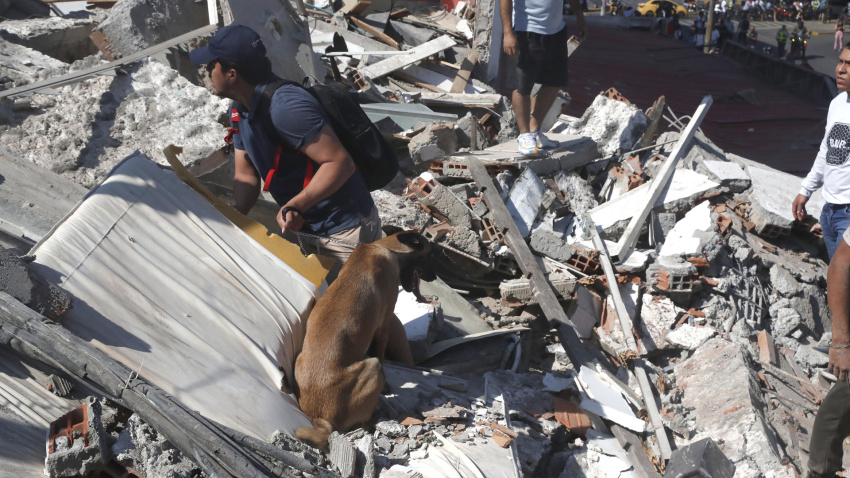
Commentator Luis del Val noted on La Linterna that such severe earthquakes provide a lesson in catastrophe, reminding humanity of its fragility against natural forces. Rescue crews continue working quietly through the ruins of Colombia in search of living survivors. Journalist Rubén Corral Castellanos added that the key lesson from such disasters is that government action must work effectively to minimize the consequences of cataclysmic events.