
Researchers at Capital Medical University in China found microplastics in all 17 human arterial samples examined during surgical procedures.
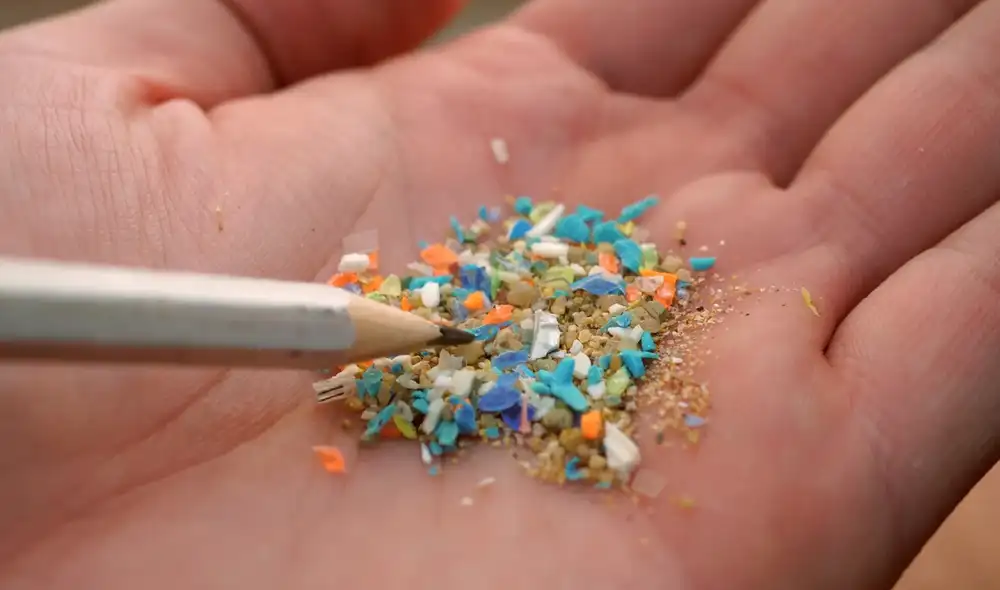
The study, published in 2024 in the Journal of Hazardous Materials, examined three types of blood vessels: coronary, carotid, and aorta arteries. Researchers found microplastic concentrations in the arterial tissue that were relatively higher than those observed in previous studies conducted on blood.
Types of plastics found in arterial tissue
Polyethylene terephthalate, commonly known as PET, was the predominant material detected in the tissue, making up 73.7 percent of all particles. PET is frequently used to manufacture water bottles, food packaging, and textile garments.
The study team reported that all three arterial sample types contained microplastics. They noted that the high proportion of PET may relate to how frequently people are exposed to the plastic in daily life, though additional research is needed to confirm the connection.
Link to cardiovascular disease and plaque
Samples from coronary and carotid arteries containing fatty plaque accumulations recorded roughly double the concentration of microplastics compared to aorta samples. While the finding suggests a potential association with atherosclerosis, the authors urged caution and noted that structural differences between artery types could also explain the variation.
Animal experiments cited in the report showed that microplastics can cause oxidative stress, cellular damage, altered lipid metabolism, altered energy metabolism, and inflammatory immune responses. The authors clarified that their study does not prove microplastics directly cause cardiovascular disease.
Potential routes of human exposure
The article highlighted a separate 2024 study in The New England Journal of Medicine that tracked 257 patients over 34 months. That research found polyethylene in the arterial plaques of nearly 60 percent of patients and observed an association between higher plastic levels and increased risks of heart attack or stroke, without establishing a cause and effect relationship.
Scientists do not yet know the exact pathway microplastics take to reach human blood vessels, but they hypothesize exposure occurs simultaneously through food, drinks, and inhaled airborne particles. Once inside the body, microscopic fragments may pass through tissues into the bloodstream to reach the arteries.
The study team stated that their findings provide useful data for assessing cardiovascular health risks. They added that future studies must identify exposure sources, trace arterial distribution, and clarify how microplastics affect human health and arterial diseases.